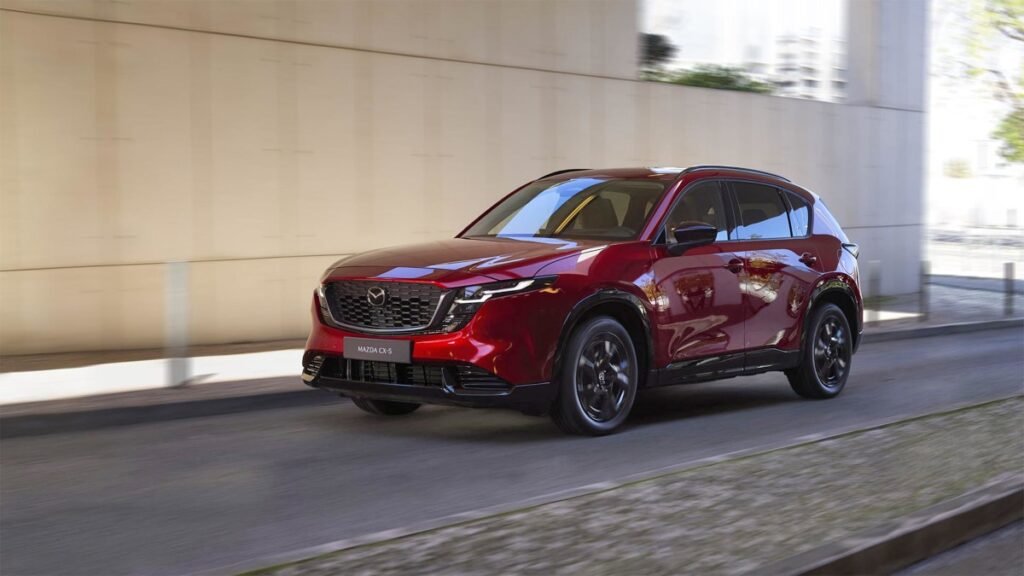
The CX-5 Story So Far
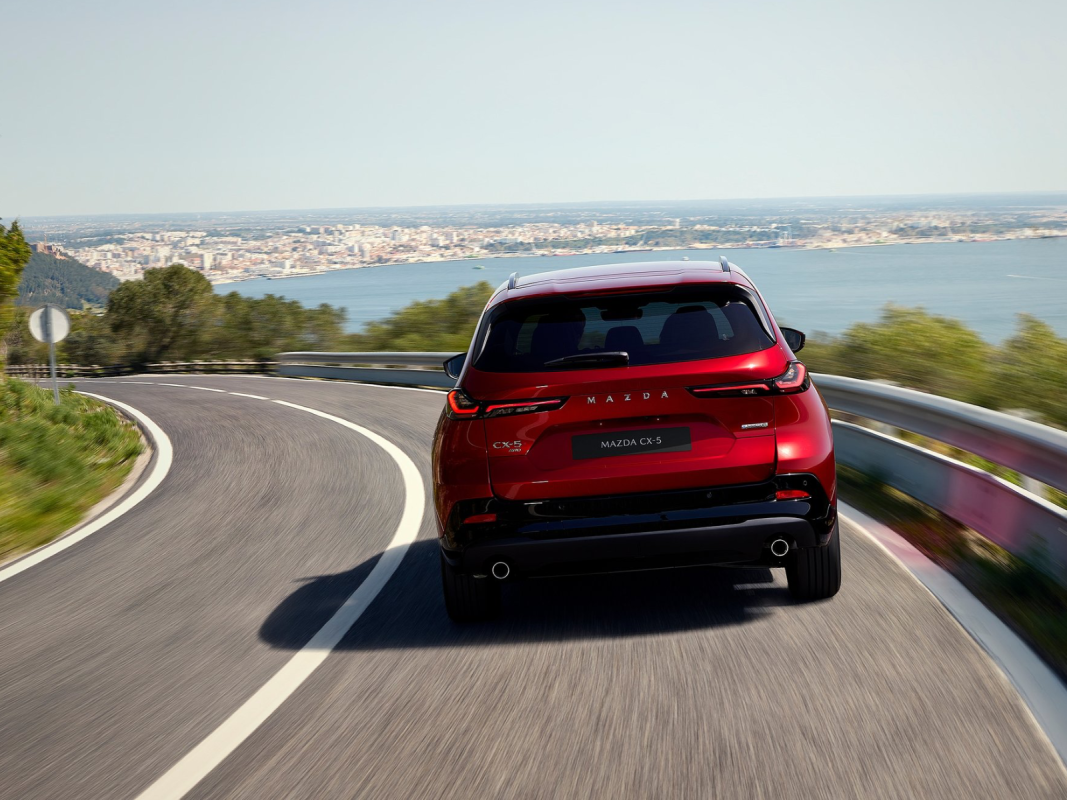
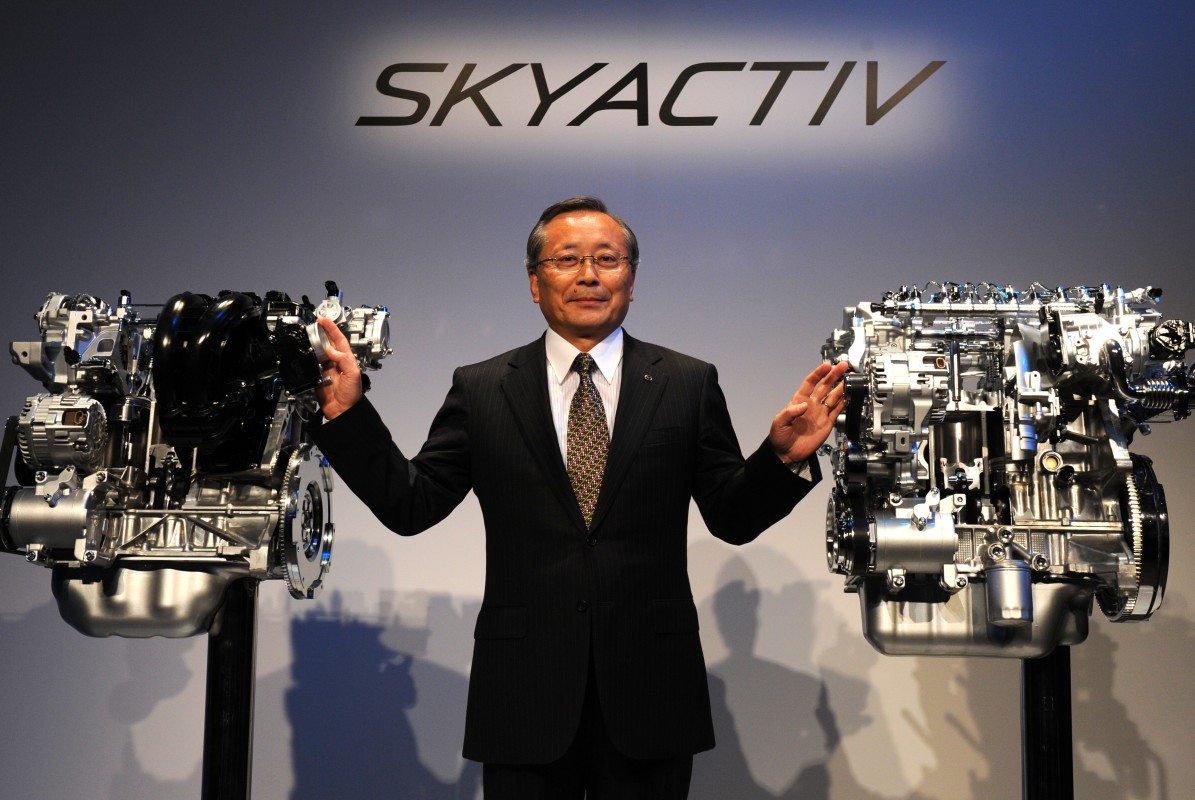
Since its debut in 2012, the Mazda CX-5 has been the brand’s cornerstone in the compact SUV segment. It was the first model to fully adopt Mazda’s SkyActiv technology. This approach focused on lightweight engineering, efficient powertrains, and driver-focused dynamics. It helped redefine expectations for mainstream crossovers.
Over time, the CX-5 moved upmarket. It gained sharper styling, improved materials, and a more refined cabin. It also maintained strong driving dynamics. This balance has made it one of Mazda’s best-selling models globally. It appeals to both enthusiasts and everyday buyers. That balance is why electrification is such a critical next step.
Mazda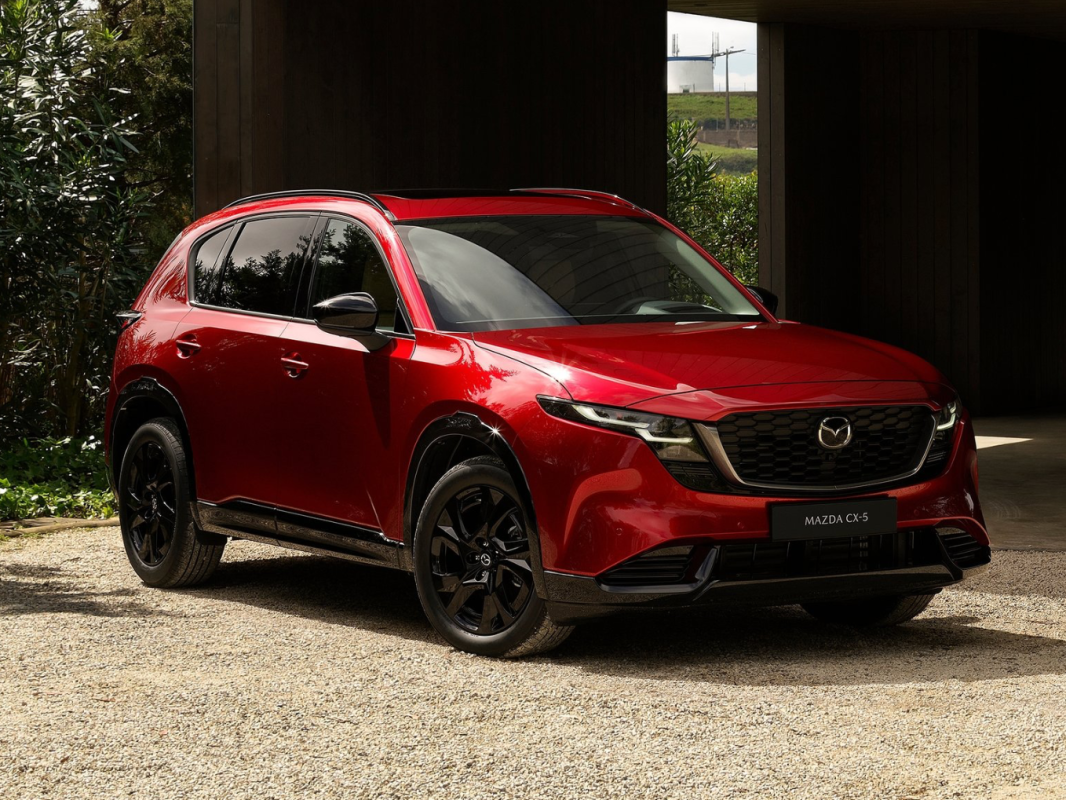
Mazda’s Hybrid Delay Explained
Mazda confirmed that its first in-house full-hybrid system will debut in the 2027 CX-5. According to a Driveinterview with Mazda Australia boss Vinesh Bhindi, the system was delayed to meet internal standards. The company wanted to launch sooner to stay competitive. However, it chose to prioritize development.
Bhindi explained that the hybrid must still deliver Mazda’s “Jinba-Ittai” philosophy. This concept emphasizes a strong connection between the driver and the car. Engineers were given more time and resources to achieve this goal. Mazda leadership also agreed that rushing the technology would compromise the brand’s identity. The decision across regions was clear. Do not sacrifice core values for speed to market.
This comes at a time when Toyota is doubling down on hybrids globally, with plans to increase production by around 30 percent and make electrified models a larger share of its output. At the same time, Toyota continues to reinforce its long-standing reputation for reliability and efficiency, which has become a major selling point for hybrid buyers in the segment.
Why the 2027 Hybrid Could Be a Turning Point
The upcoming CX-5 Hybrid will be Mazda’s first fully in-house system without plug-in capability. It represents a major step in the brand’s electrification strategy. The system is expected to use the new SkyActiv-Z engine. This engine is designed to improve efficiency while maintaining strong performance.
Performance is expected to match the current 2.5-litre turbo CX-5. This is important in a segment where rivals already offer hybrid options. Models like the Toyota RAV4, Hyundai Tucson, Kia Sportage, and Honda CR-V deliver strong fuel economy. Mazda’s approach focuses on balance. It aims to combine efficiency with engaging driving dynamics. If successful, the 2027 CX-5 Hybrid could stand out in a crowded field.