There are worse ways to spend a Thursday than being handed the keys to a Maserati and pointed toward one of the most storied circuits in British motorsport. Last week, a select group of women from across the motorsport and automotive world got to do exactly that at Goodwood Motor Circuit, courtesy of the Italian marque’s inaugural Women’s Drive Summit. The event served a dual purpose. First, it celebrated the centenary of Maria Teresa de Filippis, the Neapolitan trailblazer who, in 1958, became the first woman to race in a Formula 1 World Championship Grand Prix. Second, it marked 100 years since the Maserati Trident first appeared on a racing car, with the Tipo 26 debuting at the Targa Florio in 1926 and promptly winning its class. Two centenary milestones, one afternoon at Goodwood, and enough horsepower to make the ground shake.
De Filippis: the woman who made F1 history in a Maserati
For those unfamiliar with Maria Teresa de Filippis, her story reads like the kind of screenplay a producer would reject as too improbable. Born in Naples in 1926, she began racing in the late 1940s, an era when women competing in motorsport was about as common as a quiet day in the Italian parliament. Undeterred, she carved out a career that culminated in her qualifying for and competing in a Formula 1 Grand Prix behind the wheel of a privately entered Maserati 250F. Her achievement in 1958 wasn’t just a personal victory. It was a crack in a wall that had kept women out of the pinnacle of motor racing for decades. The fact that she did it in a Maserati only adds to the poetry of the occasion, and it was this legacy that formed the emotional centrepiece of last week’s summit.
Hot laps, high performance, and an all-female crew
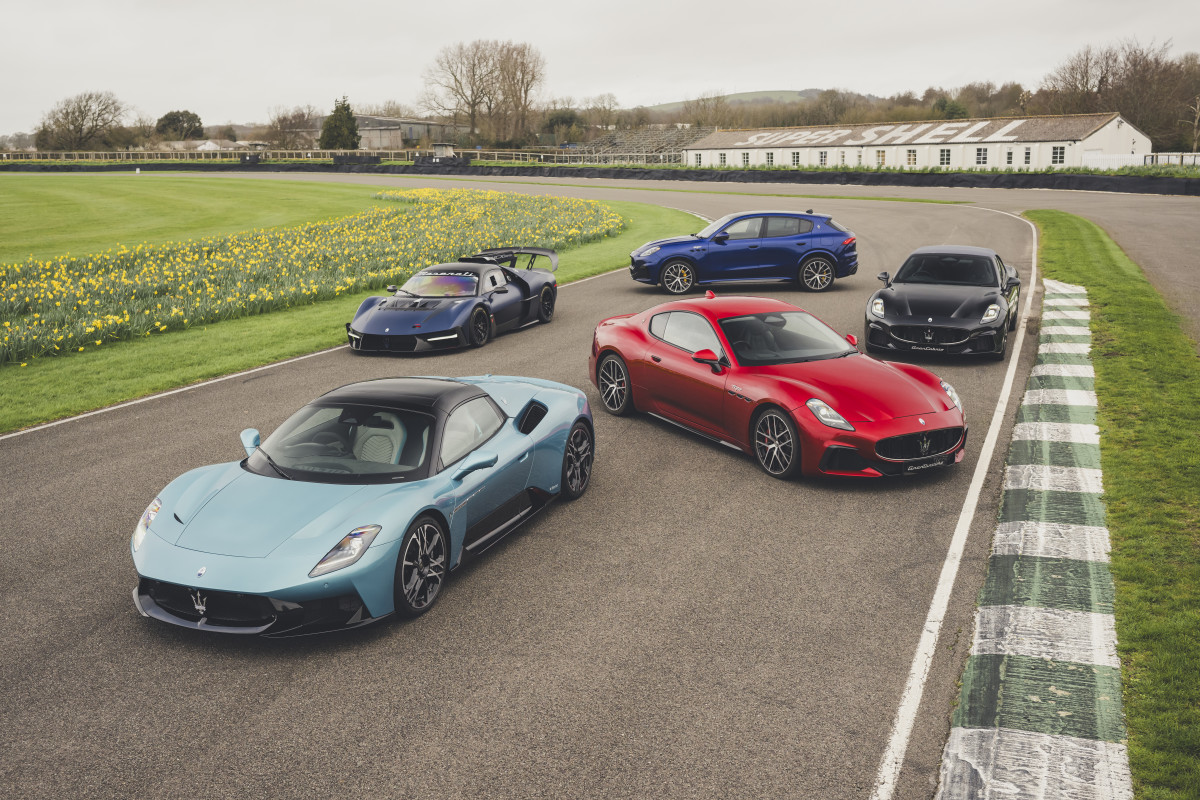
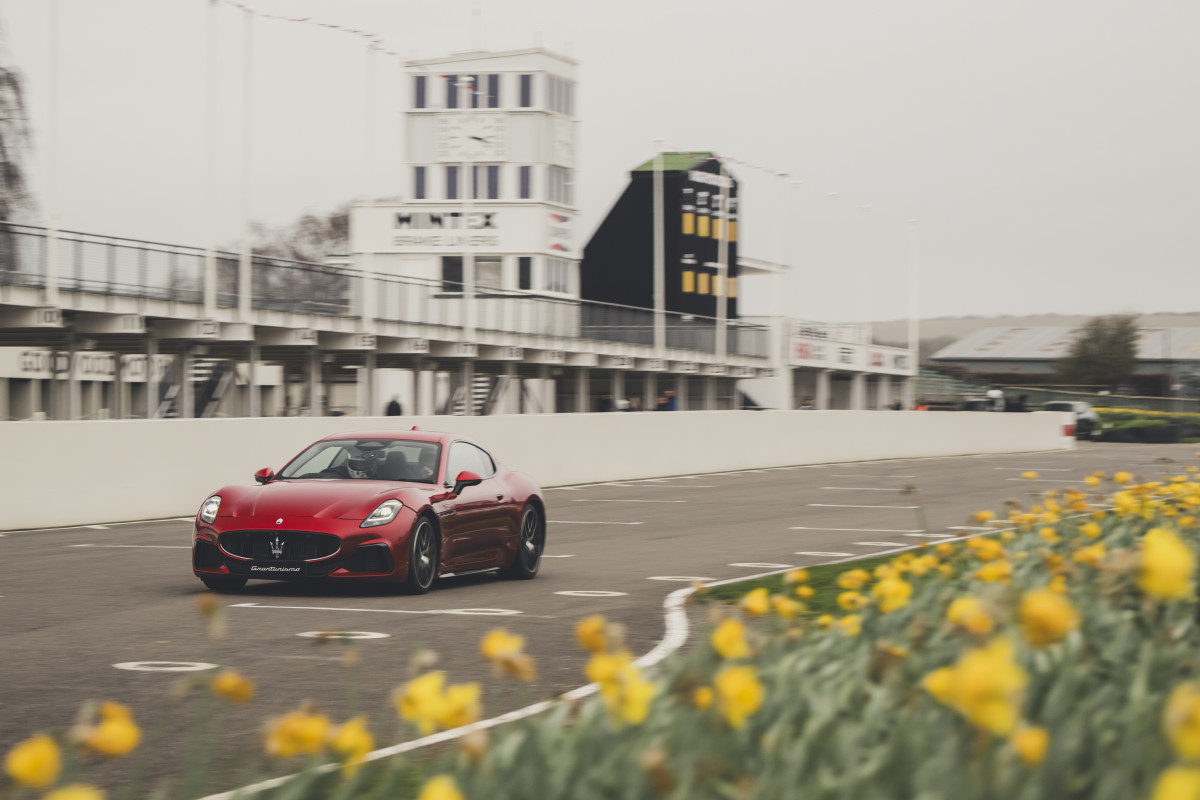
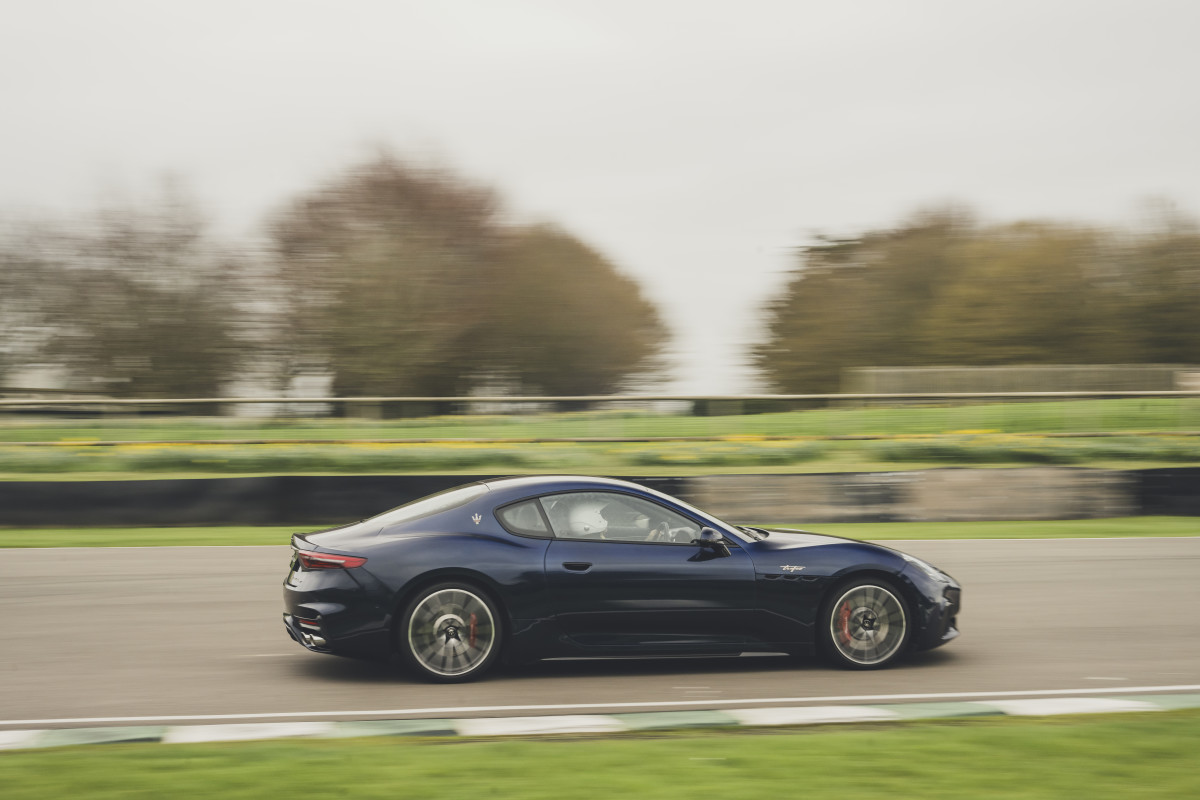
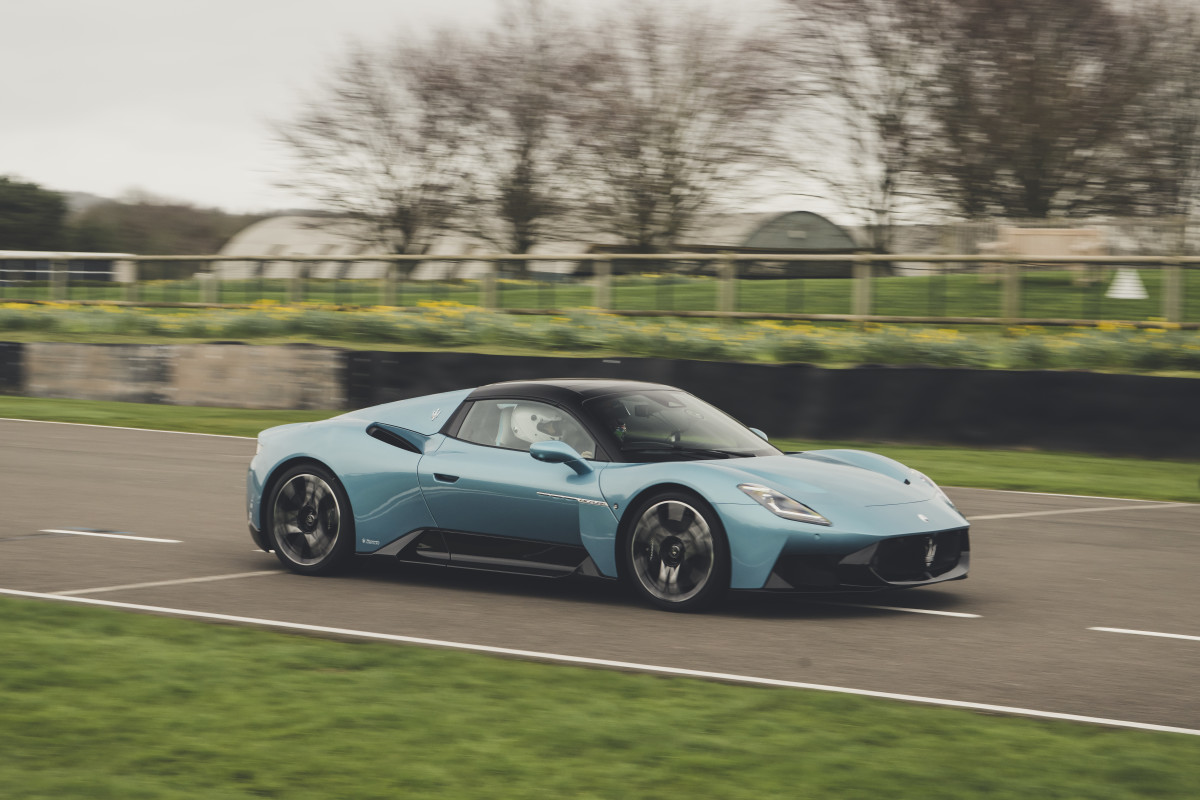
The summit wasn’t just a retrospective. Guests were invited to take to the Goodwood circuit in a lineup of current Maserati models that would make any car enthusiast weak at the knees. The MC Pura, GranTurismo Trofeo, GranCabrio Trofeo, and Grecale Trofeo were all on hand, with an all-female team of professional racing drivers on duty to accompany guests around the track. If you’ve ever wanted to experience what Goodwood felt like during its heyday as the home of British motor racing between 1948 and 1966, this was about as close as it gets without a time machine. Parked trackside for good measure was the Maserati MC Xtrema, the brand’s most extreme performance offering, presumably there to remind everyone that Maserati’s ambitions haven’t mellowed with age.
More than an event: Maserati’s broader push for inclusion
The Women’s Drive Summit wasn’t a standalone gesture. It sits within a wider effort by Maserati to promote inclusion and expand female representation across its operations. In 2025, the company launched the Maserati Women’s Business Resource Group, known internally as BRG Donna. The initiative is designed to support the professional development of female talent within the company and to foster the working environment Maserati describes as open, international, and multicultural.
Mariangela Del Vecchio, Managing Director of Maserati North Europe, framed the event in terms of legacy and continuity. She noted that de Filippis’s story remains defined by passion and audacity, and that her influence continues to inspire women across the motorsport world. Del Vecchio added that the summit was an opportunity to honour the pioneer while also celebrating the women who are actively shaping the automotive industry today.
The bigger picture: a centenary worth celebrating
Maserati’s 2026 centenary celebrations are about more than nostalgia. The Tipo 26’s debut at the Targa Florio in 1926 wasn’t just the birth of a brand. It was the beginning of a lineage that stretches from Sicilian Mountain roads to the Formula 1 grid and beyond. De Filippis’s story is woven into that lineage, a reminder that the Trident has always been associated with people willing to push boundaries, regardless of the obstacles placed in front of them.
The chequered flag
At its core, the Women’s Drive Summit achieved something that too many corporate events fail to manage: it felt earned. Maserati could have marked its centenary with a champagne reception and a slideshow. Instead, it handed the keys to the people who represent the best of what its legacy stands for and let them drive. That feels about right.