Source: AGU Advances
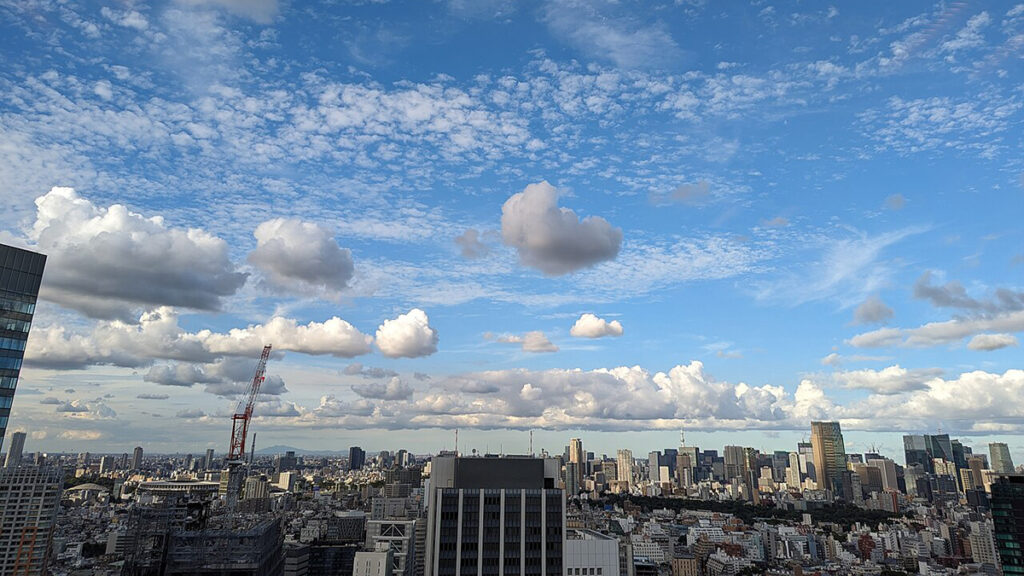
In 2023, Earth experienced its warmest year since 1850, with heat waves stretching across oceans and land alike. East Asia, for example, experienced scorching temperatures and high humidity throughout the summer months. Humid-heat extremes like those seen that year can trigger heat-related illnesses and mortality at higher-than-average rates.
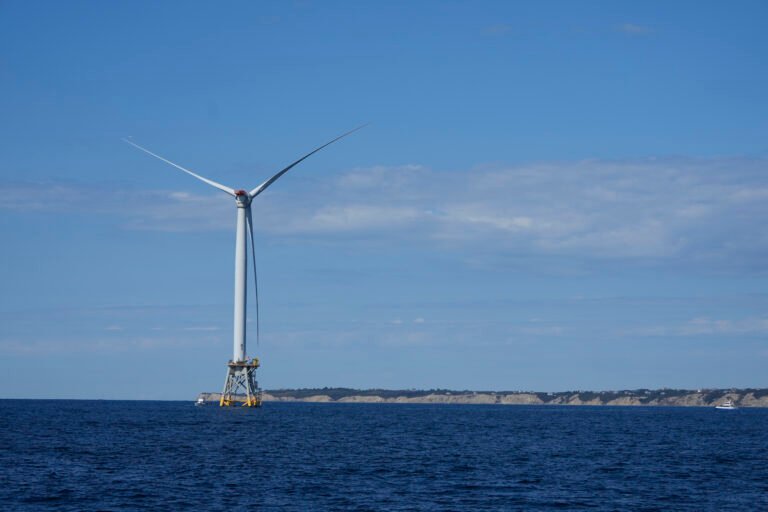
As on land, the ocean around East Asia also experienced unprecedented warming in 2023. Sea surface temperatures (SST) in the Kuroshio-Oyashio Extension region reached record highs, persisting through much of the year. Researchers know that marine heat waves can influence land heat waves, but the details of these connections remain unclear.
Okajima et al. modeled regional land-sea interactions to better understand the effects of the unprecedented 2023 marine heat wave on conditions on land in East Asia. The team focused on the peak hot and humid months of July, August, and September, using hourly data on atmospheric conditions, including temperature, humidity, wind velocity, and atmospheric pressure, as well as SST data from satellites and in situ sensors.
The modeling suggested that the 2023 marine heat wave greatly exacerbated the East Asian heat wave, particularly in Japan, by affecting atmospheric circulation and altering the usual radiative effects of clouds and water vapor. The team said the influence of the marine heat wave explains roughly 20% to 50% of the increase in the intensity and duration of hot and humid conditions observed on land in East Asia in summer 2023.
The scientists note that this research provides valuable insights that could help improve long-range weather predictions. Such predictions may help communities prepare for health risks, particularly in Asia, which the World Meteorological Organization reported earlier this year is warming twice as fast as the global average. (AGU Advances, https://doi.org/10.1029/2025AV001673, 2025)
—Sarah Derouin (@sarahderouin.com), Science Writer

Citation: Derouin, S. (2025), Marine heat waves can exacerbate heat and humidity over land, Eos, 107, https://doi.org/10.1029/2026EO260009. Published on 2 January 2026.
Text © 2026. AGU. CC BY-NC-ND 3.0
Except where otherwise noted, images are subject to copyright. Any reuse without express permission from the copyright owner is prohibited.