Winter’s Wild Flip Is Catching Drivers Off Guard
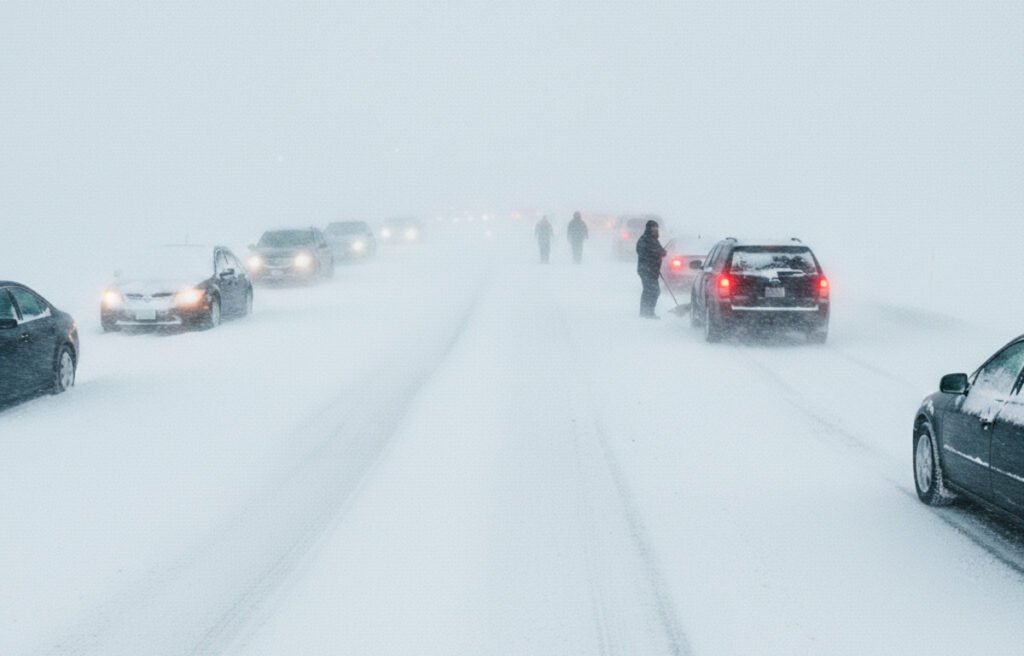
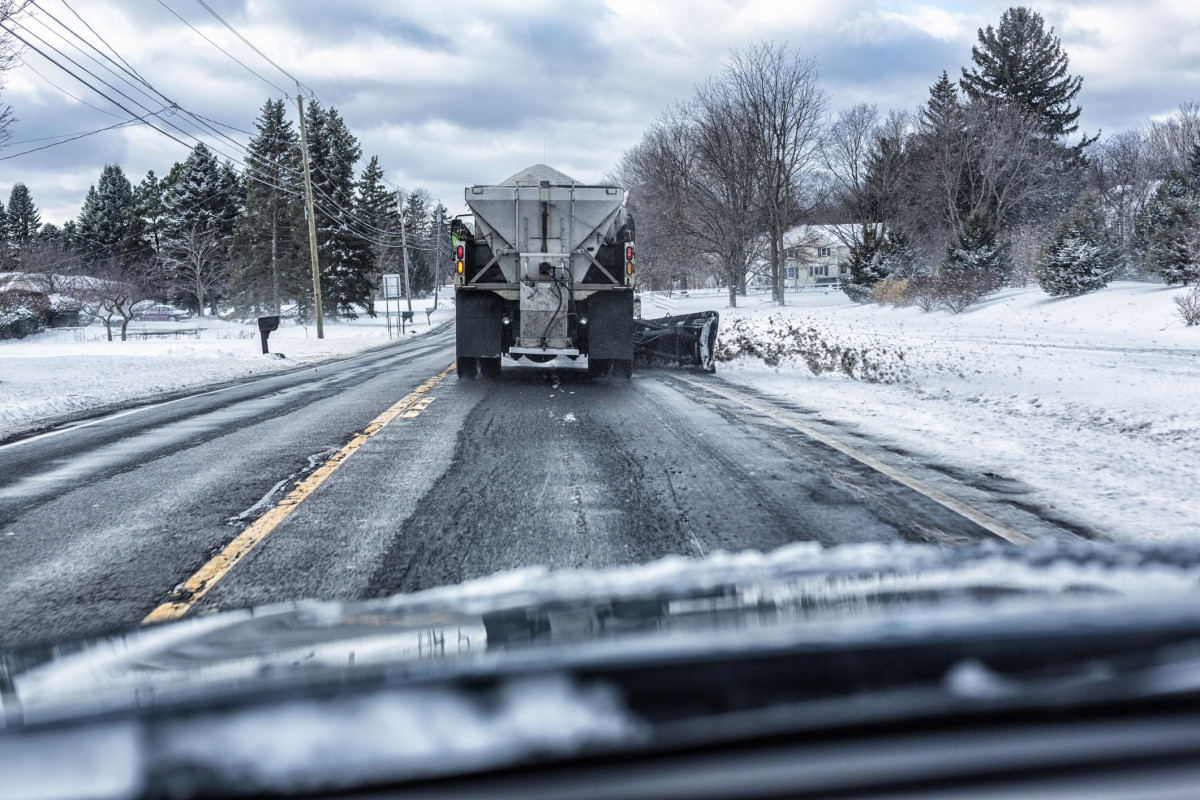
Winter’s weather map has completely flipped for American roadways, and State Highway Departments and motorists alike are now caught off guard. Areas that typically see inches of snow are now digging themselves out of feet of snow, while typical winter zone areas are bare. As a result, there are thousands of stranded motorists, hundreds of accidents, and hazardous travel conditions that local infrastructure is unable to keep up with.
States in the South clearly experience an infrastructure deficit. Since Southern states maintain many fewer plows and salt trucks per capita than Northern states, moderate amounts of snow can severely impact road travel in these states. Also, secondary roads and overpasses (which normally freeze before major interstates) typically remain icy longer than the major highways when they have reopened. Transportation officials in multiple states are continuing to urge motorists to postpone non-essential travel until advisories expire.
Winter storm warnings are in effect from February 15 to February 18, with winds reaching as high as 60mph, a real danger to unprepared motorists, with the possibility of tree damage also thrown in. An estimated eight feet of snowfall is expected to be dumped in the next four days across high elevation areas, with lower elevations receiving up to 20 inches of snow.
What Drivers Need Before Hitting Snow-Covered Roads
Being prepared makes a world of difference in terms of whether you experience an inconvenience or a crisis in severe weather.
Before you venture out:
- Carry blankets and warm clothes
- Stock up on non-perishable food and water
- Make sure you have power banks or car phone chargers
- Secure a basic flashlight and a first-aid kit
Check the Department of Transportation site for your state and the National Weather Service prior to driving for the latest advisory information; the weather can change dramatically in just a few miles.
When on the road:
- Travel at a much slower speed than normal when entering a ramp or bridge
- Turn on your headlights anytime your visibility becomes less than ideal
- Consider treating dark or malfunctioning traffic signals as a 4-way stop
- Keep enough space between yourself and the vehicle in front of you. Stopping distances greatly increase due to snow and ice.
California Mountain Roadways Expect More Snow and Chain Control
While most of the western United States experienced below-average snowpack through much of the winter season, new storms are altering that trend. The Sierra Nevada mountains are expected to see multiple feet of fresh snow, which increases the risk of whiteout conditions along major routes, including Interstate 80 over Donner Pass and Highway 50.
AAA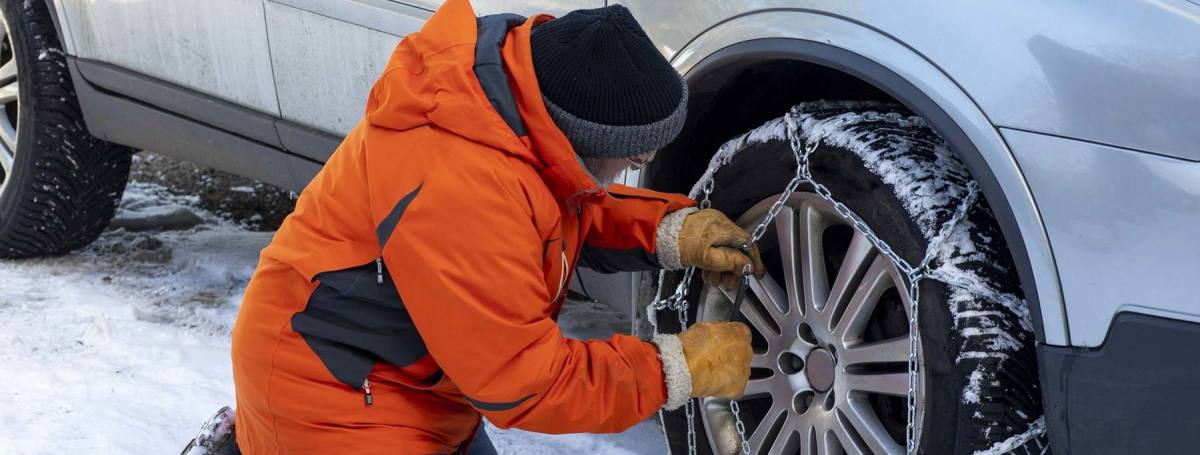
Chain control is currently being enforced during the heaviest snowfalls. Standard passenger vehicles must use chains under R-2 restriction, while four-wheel drive vehicles must have snow-rated tires on all four wheels. In addition, speed limit restrictions will likely be reduced to 25-30mph in these chain-restricted areas, and these restrictions will be strictly enforced.
Vigilance, preparation, and flexibility are the key elements to stay safe on the road. If the lanes are marked by snow and the rain turns to ice, the best place for your car to be is safely parked in your driveway.