Hydroplaning is never a good time
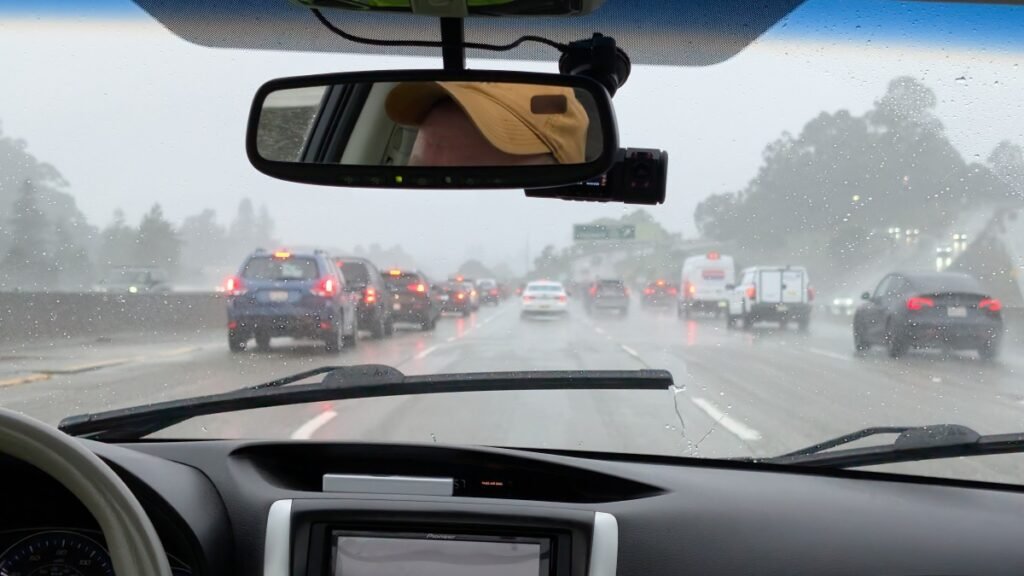
If you’ve ever driven through a heavy California downpour—especially on 680, 580, or 101—you know how quickly a harmless sheen of water can turn into a skid. Hydroplaning happens when your tires encounter more water than they can push aside, lifting the rubber off the pavement and causing a total loss of steering and braking control. It’s sudden, it’s terrifying, and it’s more common than most drivers realize. Especially since most Californians don’t have to pay as much attention to their tires as drivers of other regions do.
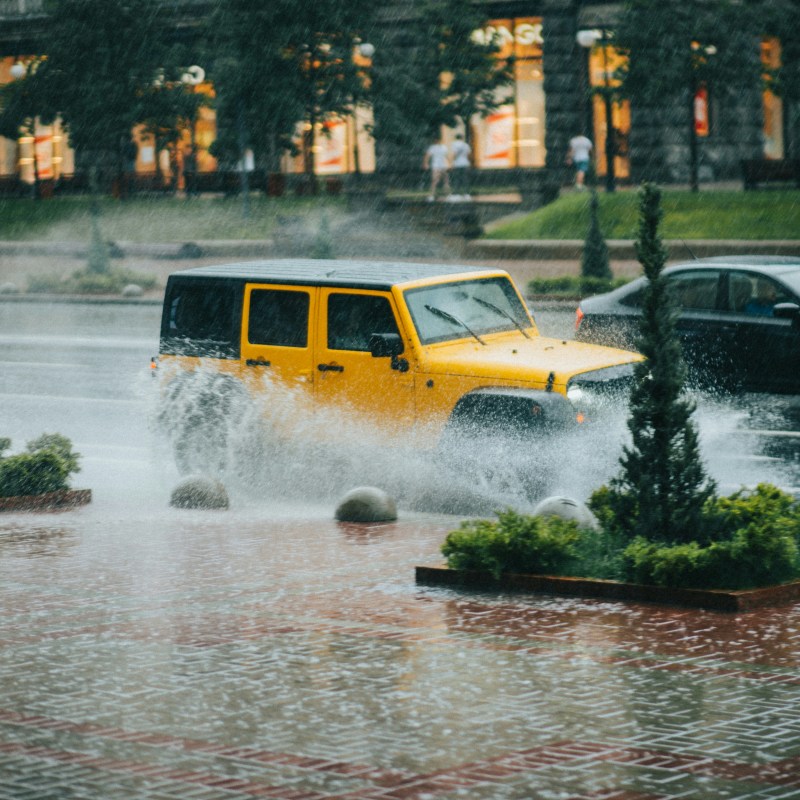
But here’s the legally messy part: if two cars hydroplane into each other, who’s at fault? Is anyone at fault? And can weather be a valid excuse to an insurance company? To get clarity, I spoke with California traffic attorney Scott Ball, who broke down why hydroplaning cases are some of the most legally ambiguous collisions on the road today.
Hydroplaning may not always be the fault of the driver, but it doesn’t always excuse an accident
Hydroplaning is often described as “unavoidable,” but California law doesn’t see it that way. Drivers are required to adjust their speed and behavior to match weather conditions — even if that means driving below the posted speed limit. California’s “reasonable and prudent speed” rule (CVC 22350) requires drivers to travel at a safe speed for conditions, not just the number on the sign.
Kristen Brown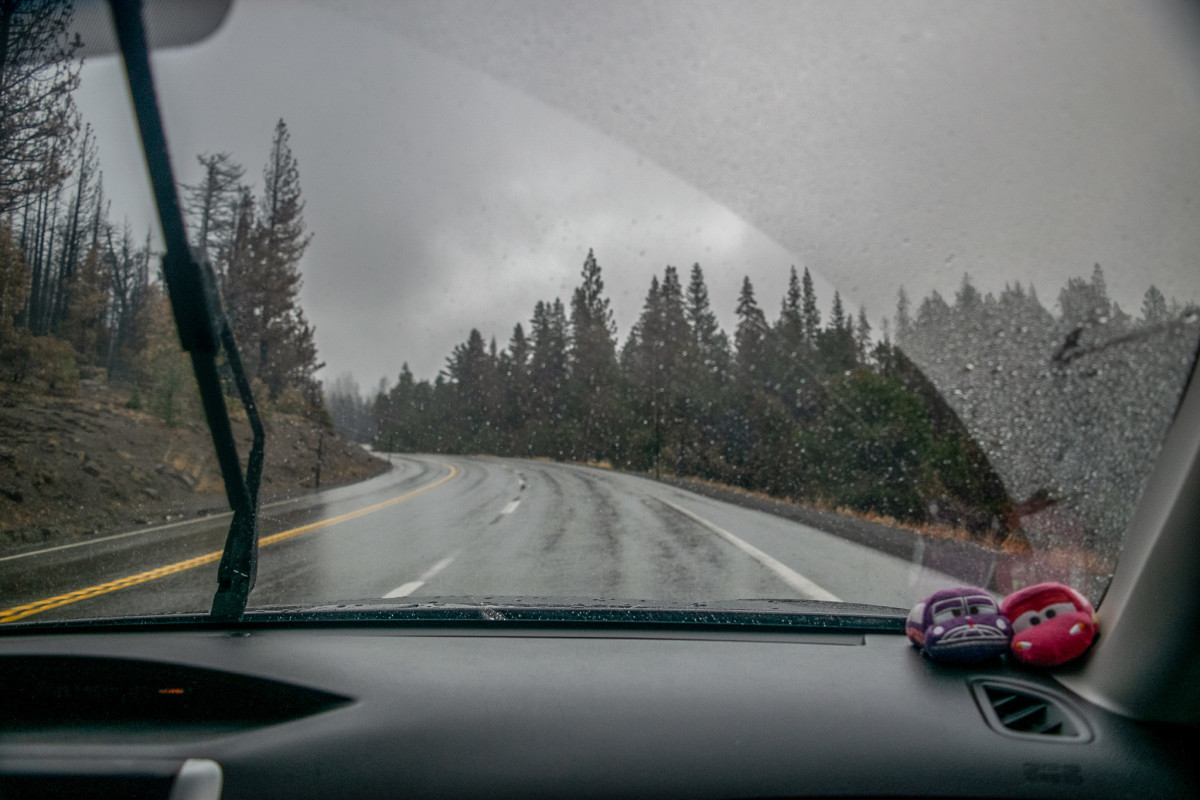
That means a driver can be cited for speeding even if they were under the limit during heavy rain, Ball said. Hydroplaning is more likely to happen when drivers exceed 35 mph on wet roads, use worn or seasonally inappropriate tires, or fail to slow down for standing water. I’ve seen it myself several times. It’s pouring rain, but drivers are still cruising at 75 to 80 mph in the left lane instead of slowing down.
“Fault” isn’t as linear as most people think
Ball emphasized that “fault” isn’t a single, linear, black-and-white concept—and that’s where most people get confused. For instance, most rear-end collisions typically point to the following car because it’s assumed that the accident happened as a result of them doing something unsafe, like following too closely. But when it comes to hydroplaning specifically, fault isn’t as easy to establish.
“It depends on what kind of ‘fault’ you’re talking about,” Ball explained. “There’s civil liability, which determines who pays for damages, and there’s criminal liability, which determines whether either driver broke the law. They’re related, but one doesn’t automatically decide the other.”
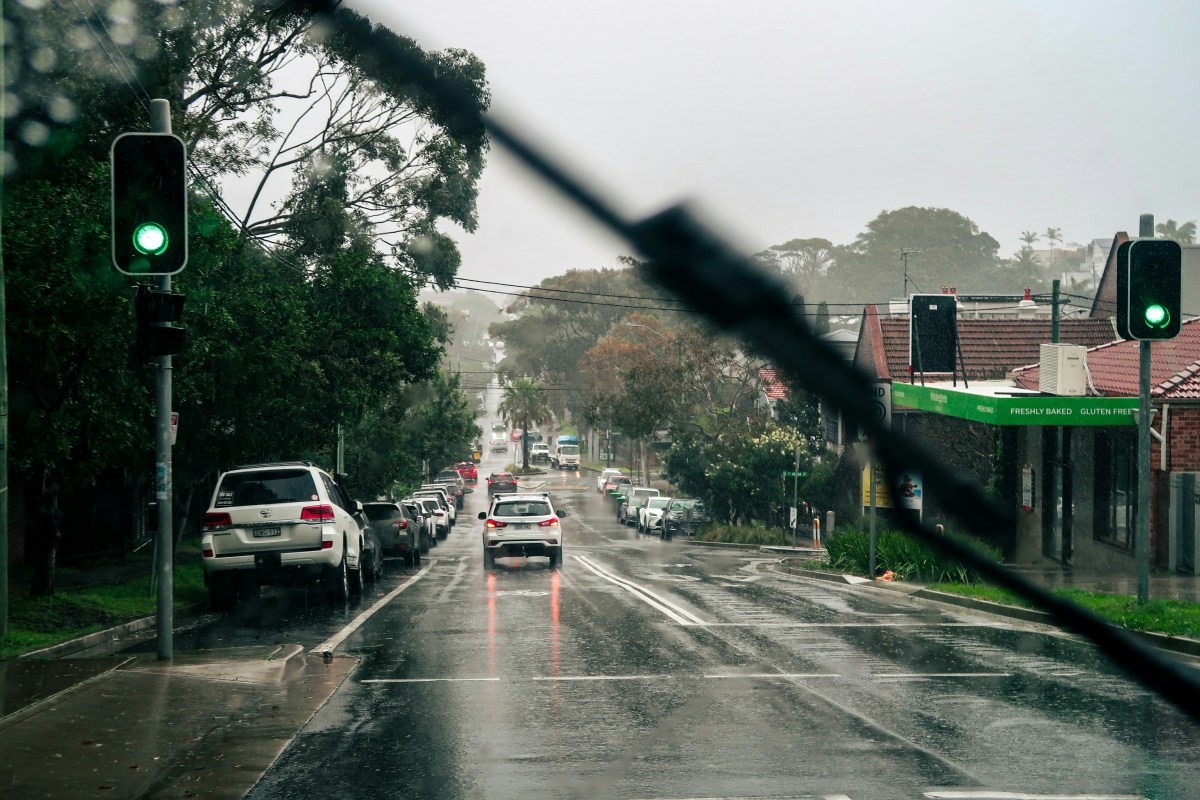
Two things can happen at once: a driver might break a traffic law, but still not be the primary cause of the crash because of other scenarios I’ll break down later. Or, a driver might be civilly liable for damages, but not be criminally liable if they weren’t speeding or driving unsafely.
How civil liability is assigned when both cars hydroplane
Civil liability in a hydroplaning crash isn’t a simple yes‑or‑no determination. California uses pure comparative negligence, meaning each driver can be assigned a percentage of fault based on how their actions contributed to the collision. In cases where both cars lose traction, investigators look closely at the moments leading up to the crash rather than assuming one driver is entirely responsible.
Scott Ball explains that the analysis starts with the basics: “Civil liability would be determined by who was more at fault using a number of factors—most importantly speed, and where and how the collision took place,” he said. “It could also be determined that the civil liability is 50/50.”
Speed relative to conditions is often the biggest factor, since driving too fast on wet pavement—even below the posted limit—can be considered negligent. Tire condition, lane position, and any sudden steering or braking inputs are also examined to determine whether either driver made a maneuver that increased the risk of hydroplaning.
Kristen Brown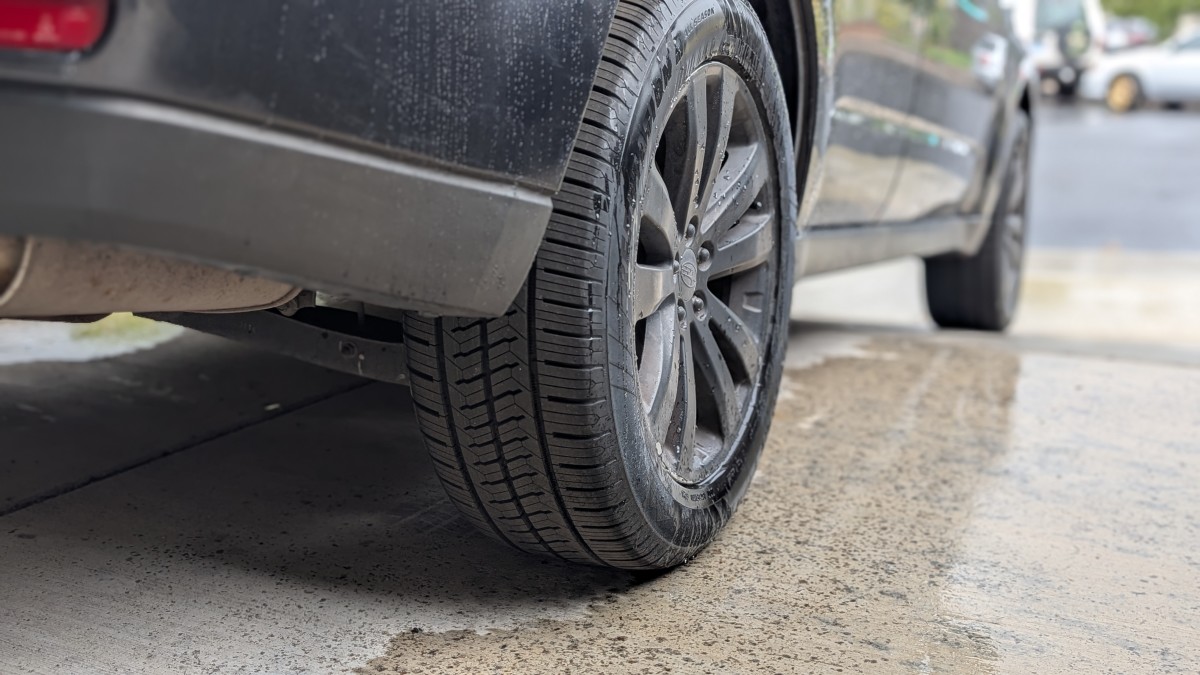
Environmental conditions round out the picture. Investigators document road drainage, standing water, and pavement quality, along with the severity of the weather at the time of the crash. These details help determine whether the hydroplaning was unavoidable or whether a reasonable driver should have adjusted their behavior. In the end, liability often becomes a blend of driver choices and environmental factors, which is why hydroplaning cases so frequently result in shared fault rather than a single clear culprit.
Criminal liability in hydroplaning crashes is a bit more streamlined. But only by a little bit
Criminal liability in a hydroplaning crash is a separate question from civil fault, and Scott Ball emphasizes that distinction clearly.
“Criminal liability would simply be the question of whether each driver broke the law, independent of the other driver’s actions,” he said. In wet‑weather collisions, the most common charge is violating CVC 22350, California’s basic speed law, which requires drivers to travel at a speed that is safe for the conditions. Ball notes that this law is broader than most people realize: “It’s actually possible to be cited for speeding even if you’re under the speed limit. On a very wet road, driving under the limit could still be unsafe if it causes you to hydroplane.”

Other violations may also come into play, such as reckless driving, unsafe lane changes, running a red light, or making an unsafe turning movement. Whether any of these apply depends entirely on what each driver was doing in the moments before losing control.
In some cases, private property owners, tire companies, or government agencies can be at-fault
Although driver behavior is the most common cause of hydroplaning, there are situations where liability shifts away from the person behind the wheel. Defective tires can play a significant role; if a tire’s design or construction flaw contributed to the loss of traction, the manufacturer may bear responsibility.
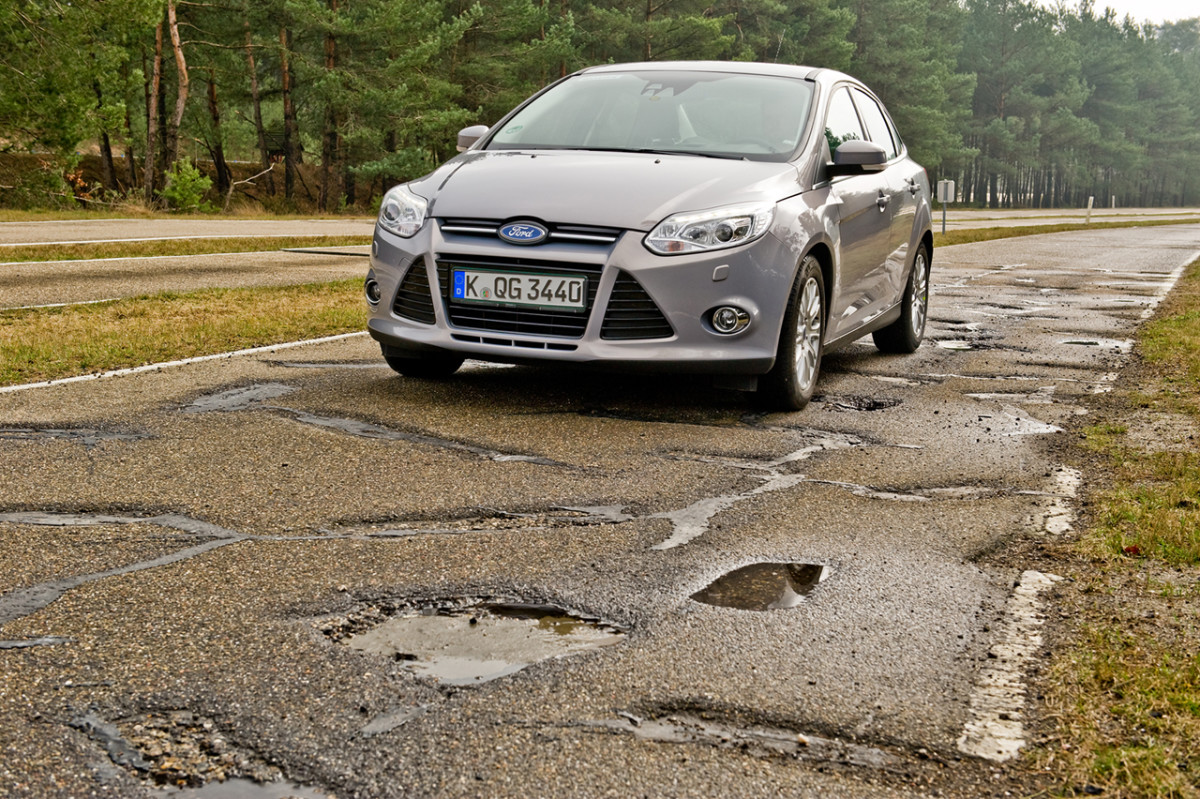
Government entities can also be liable when poor drainage, uneven pavement, or known hydroplaning hotspots are left unaddressed or unmarked, creating conditions that make skidding far more likely. In some cases, responsibility may fall on private property owners if the crash occurs on a road where water pooling or surface issues were known problems that were never corrected. Scott didn’t mention these instances specifically, but I just thought it was worth noting that California laws allow responsibility to extend beyond the driver in certain circumstances.
Final thoughts
Hydroplaning crashes fall into a legal gray area because they blend unpredictable weather, road conditions, and human behavior. California law expects drivers to anticipate wet‑weather hazards, but it also recognizes that not every skid is caused by negligence. If you’re ever involved in a hydroplaning collision, the best thing you can do is document everything: photograph the road and weather conditions, save any dashcam footage, have your vehicle inspected, request EDR data, and note any standing water or drainage issues. As Ball emphasizes, civil and criminal liability are separate determinations—and neither is automatic. Point being: be careful when it’s wet out there, folks.