- Hyundai will import over 950,000 vehicles to the US this year.
- GM also imports hundreds of thousands of cars from Korea.
- Trump’s tariff cuts could save automakers billions of dollars.
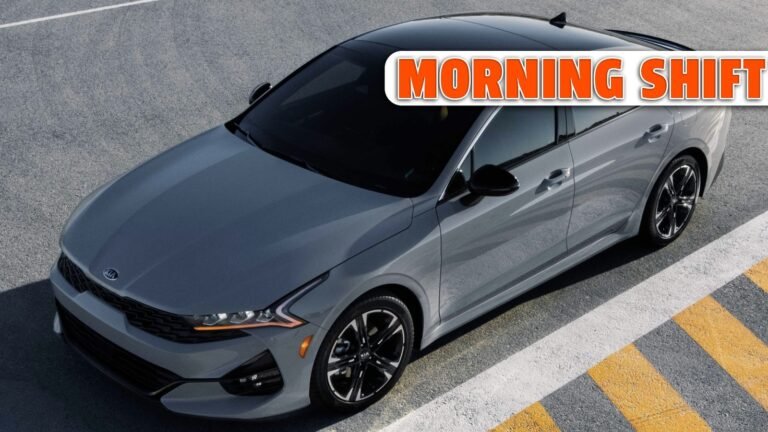
The Trump administration’s tariffs have drained billions from automakers’ bottom lines, but for Korean brands, a shift in trade policy just opened a major door. It’s now confirmed that tariffs on vehicles imported from South Korea will drop from 25 percent to 15 percent.
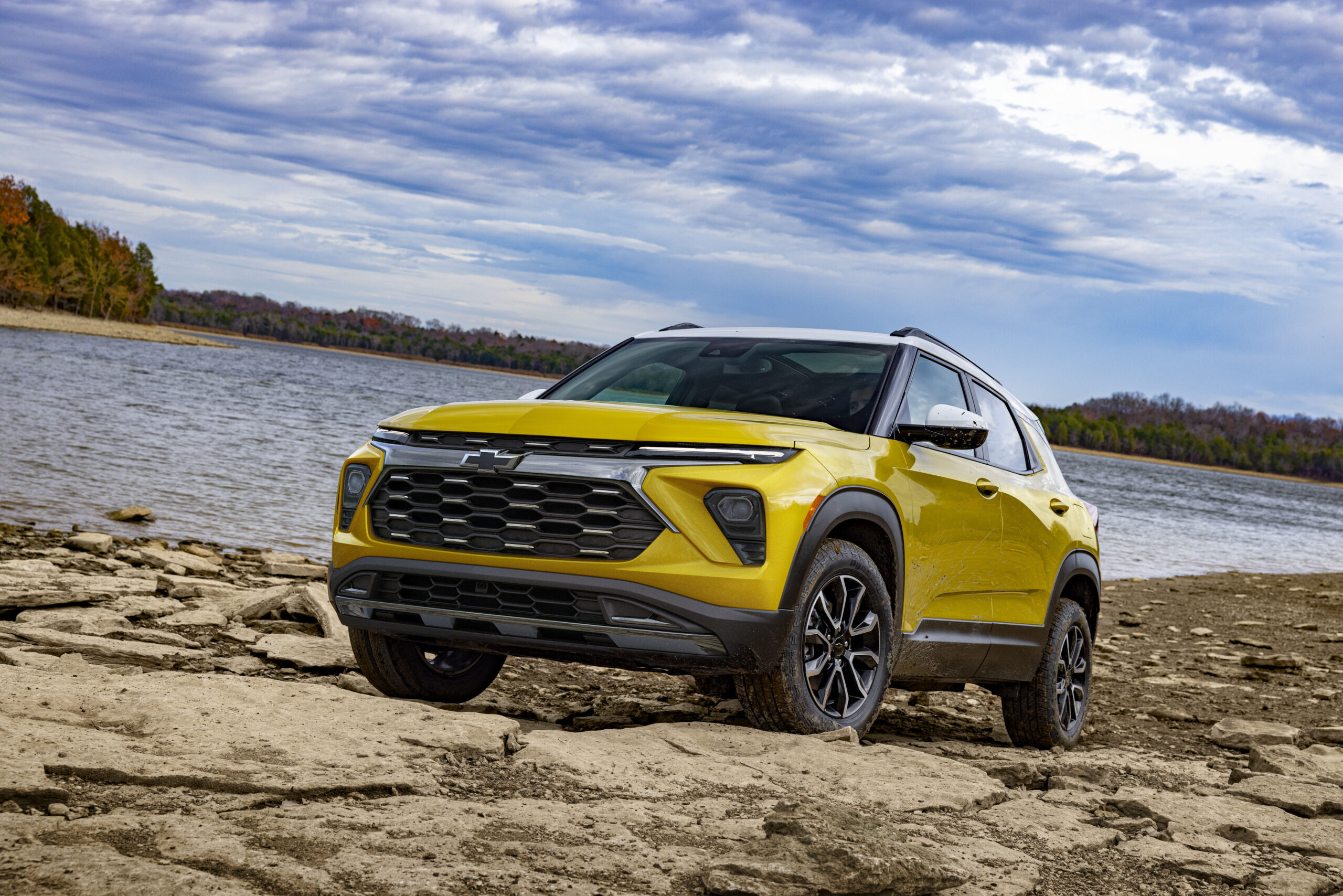
This is welcome news for Hyundai, Kia, and Genesis, but there’s also a less obvious beneficiary: General Motors. While GM wears its American identity on its sleeve, it also happens to be one of the largest importers of Korean-built vehicles into the United States.
Read: Korean Lawmakers Accuse Hyundai Of Bowing To Trump
Last year, GM brought in 407,226 vehicles from South Korea, including models like the Chevrolet Trax, Chevrolet Trailblazer, Buick Encore GX, and Buick Envista.
According to GlobalData, that number is projected to rise to 422,000 vehicles this year. With the tariff cut in place, GM stands to save a substantial amount, and the company has welcomed the development.

“GM’s long-standing Korea operations produce high-quality, affordable crossovers that complement our U.S. vehicles and domestic production, which will soon rise to 2 million units. We will be monitoring and reviewing the details,” GM told CNBC in a statement.
Of course, Hyundai is the big winner. Through its namesake brand, as well as Kia and Genesis, Hyundai is expected to import more than 951,000 vehicles to the US this year. While that’ll be fewer than the roughly 964,000 it imported in 2024, it easily remains the most popular Korean car brand in the US. But it’s not celebrating just yet.
“Fifteen percent is still 15%,” Hyundai North America chief executive Randy Parker said. “Getting to 15% is a great milestone. It’s been quite the journey reaching this agreement, which has been, I would say, quite extensive.”
By year’s end, an estimated 1.37 million vehicles will have made their way from South Korea to the U.S. That puts the country just behind Mexico as the second-largest source of imported cars, accounting for around 8.6 percent of all U.S. sales.