Eyes on the World’s Biggest Market
With Hyundai reportedly surpassing Volkswagen as the world’s second-most profitable automaker – behind Toyota – last year, it comes as little surprise that the Korean marque is continuing to expand its global reach. Its latest initiative centers on an aggressive expansion strategy in the world’s biggest car market, China, headlined by plans to introduce 20 new models over the next four to five years.
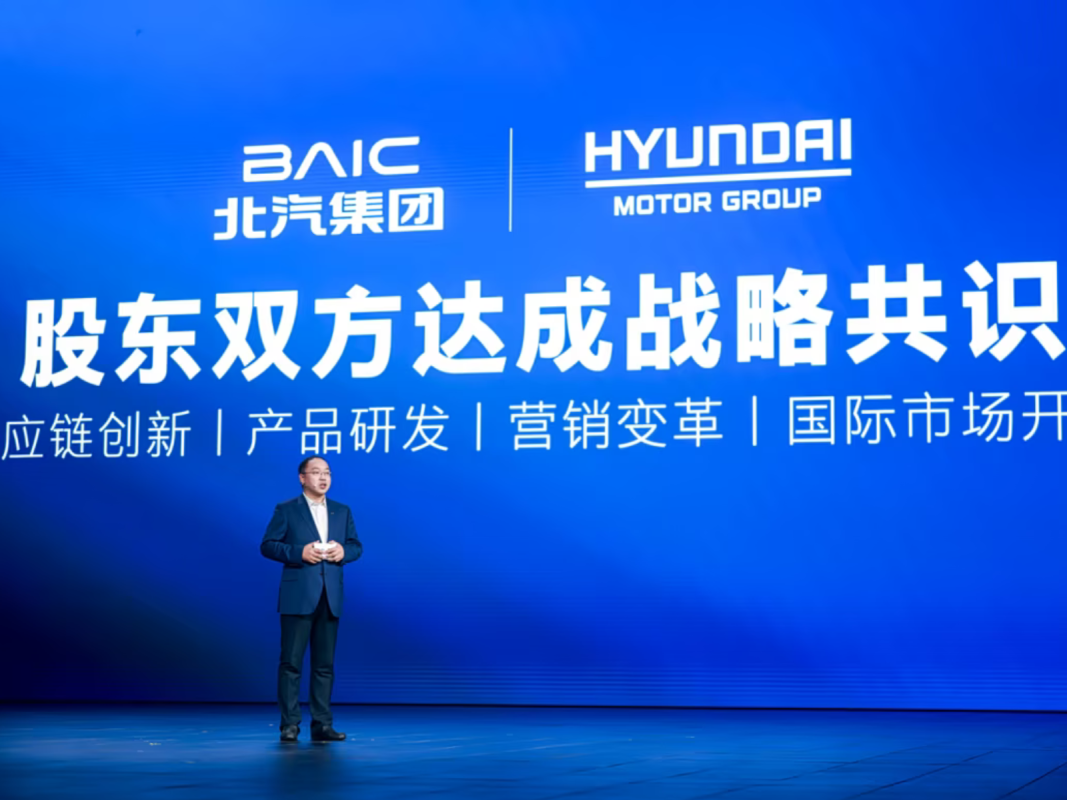
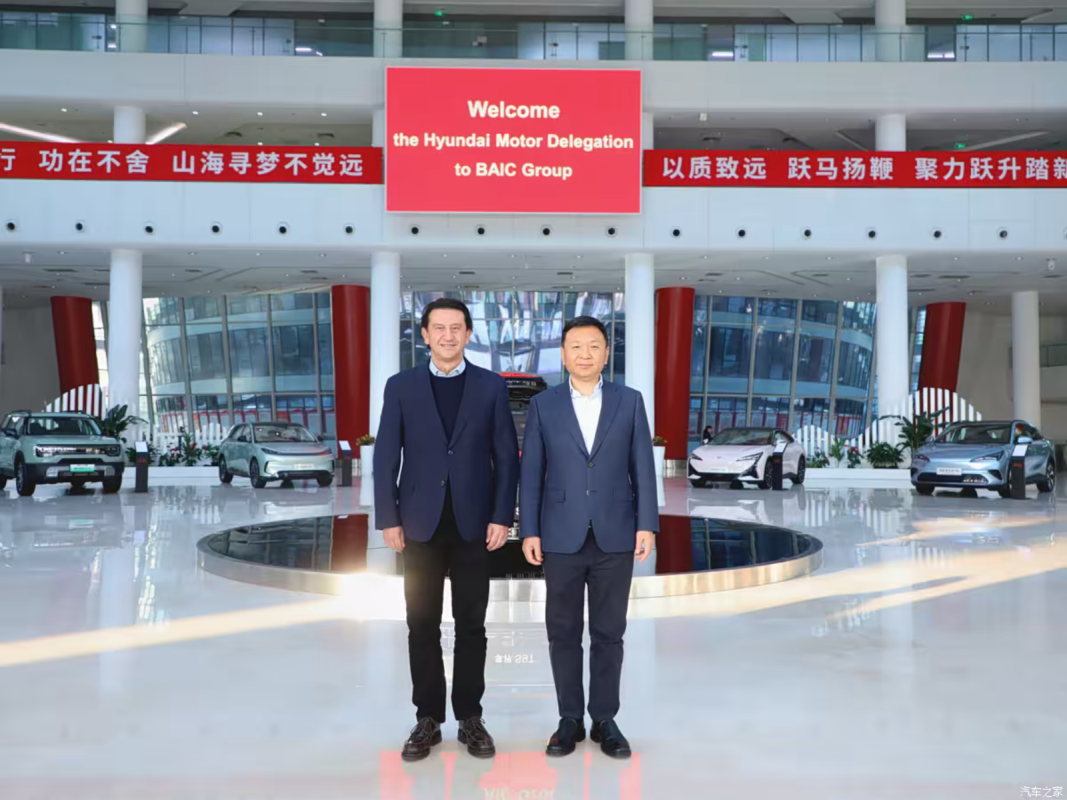
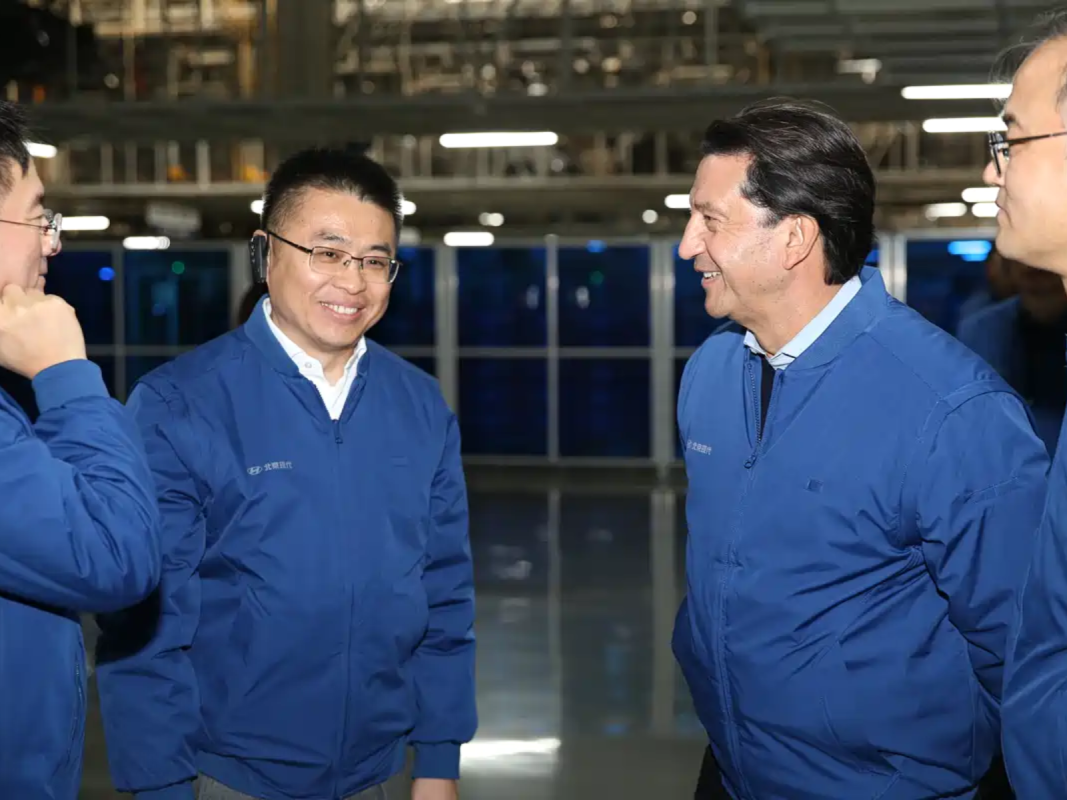
According to China’s Autohome, Hyundai CEO José Muñoz recently visited joint-venture partner BAIC Group, where he spoke about the company’s strategic priorities in China. Following its $1.1 billion capital injection into the Chinese joint venture in 2024, the broadened model lineup is ultimately aimed at reaching annual sales of 500,000 units—more than double Beijing Hyundai’s reported 210,000 vehicle sales recorded in 2025.
The Premium Push
A key component of this push involves rolling out new models positioned to capture a share of China’s competitive high-end car market. That move would place Hyundai in direct competition with brands such as Zeekr, maker of the 1,248-horsepower 001 FR, as well as AUDI. The latter is not a typo, but Audi’s China-exclusive sub-brand, which focuses exclusively on electric vehicles, including models like the E5 Sportback.
The report notes that Hyundai plans to leverage its existing sales network and service infrastructure to support the localization and rollout of the high-end brand within the Chinese market.
At present, the Beijing Hyundai lineup consists of familiar nameplates such as the Elantra, Sonata, and Tucson. However, the joint venture also offers China-specific products, including the Elexio, a locally developed EV that arrived in October 2025 with a CLTC-rated driving range of 722 kilometers (approximately 449 miles). As is typically the case, that figure would likely be lower if measured under the more conservative U.S. EPA testing standard.
Strengthening the Foundation
Beyond expanding its model portfolio, Hyundai also plans to deepen cooperation with BAIC Group in product development, with a particular emphasis on advanced technologies, electrification, and intelligent in-car systems. The automaker further intends to deploy experienced technical experts to support localized development efforts and improve overall efficiency.
In the U.S., Hyundai is pursuing a similarly expansionary approach. Last year, the company announced a $55 billion investment plan, with a significant portion expected to be directed toward the country, including a $2.7 billion allocation to expand production capacity at its Metaplant in Savannah, Georgia. Among the anticipated additions to its U.S. lineup is a true body-on-frame pickup truck, which would complement the lifestyle-oriented Santa Cruz.