Playing With Fire
It seems the EV industry just can’t catch the break it needs. Beyond overall perceptions and perceived drawbacks, some EV models are also prone to safety and reliability issues.
Since EVs became the primary mode of transportation, we’ve seen reports of cars catching fire for various reasons. Needless to say, the most frightening possibility of EV malfunctions is a “thermal event.”
Recently, two major vehicle manufacturers have issued safety recalls following National Highway Traffic Safety Administration (NHTSA) investigations. These two brands aren’t even related in any way, but the recalls have led to similar findings of a possible fire risk. The brands in question? Hyundai and Jaguar.
When Two Become One
Starting with Jaguar, according to the NHTSA’s safety recall report, the automaker is conducting a voluntary recall campaign affecting the 2021 Jaguar I-Pace. The recall affects 454 units built at the Graz, Austria, assembly plant between late 2020 and 2021. They also noted that vehicles that have already replaced battery packs since then are excluded from this specific recall.
The problem concerns the battery pack, which may experience thermal overload, potentially causing smoke or fire. It’s been determined upon inspection that the thermal overloading was caused by a folded Anode tab.
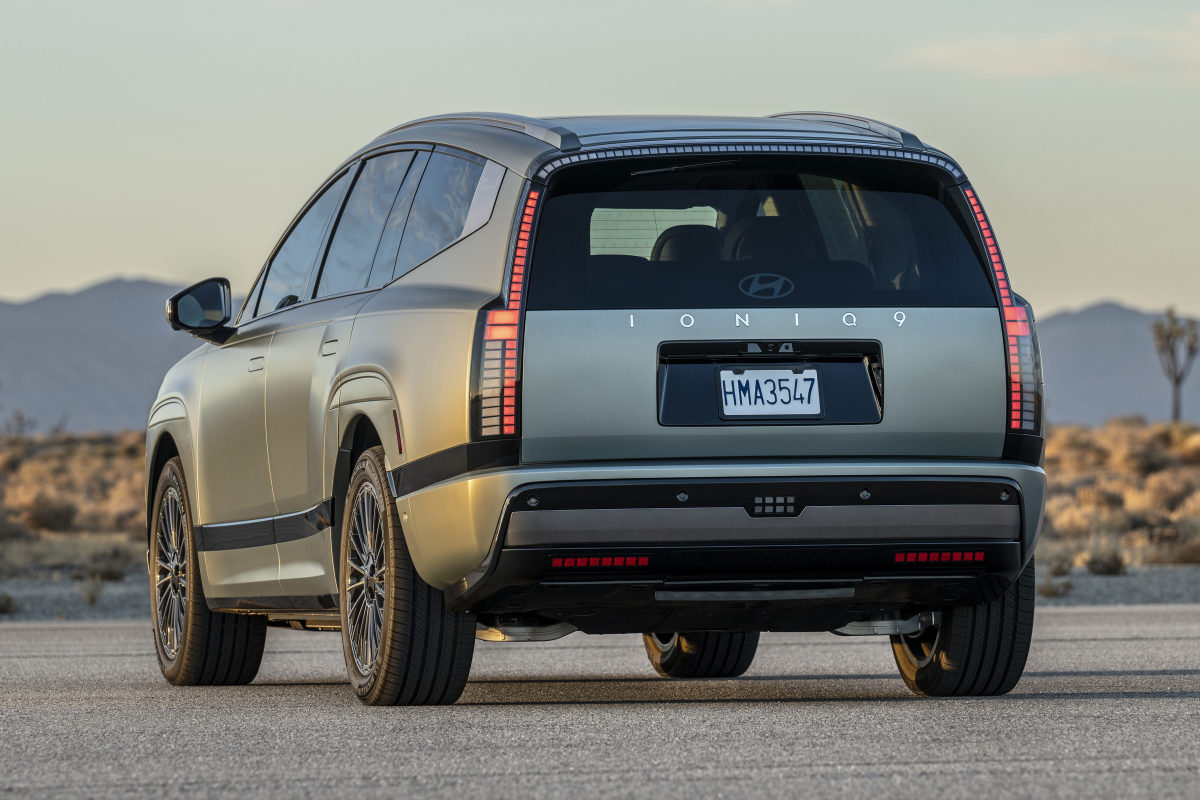
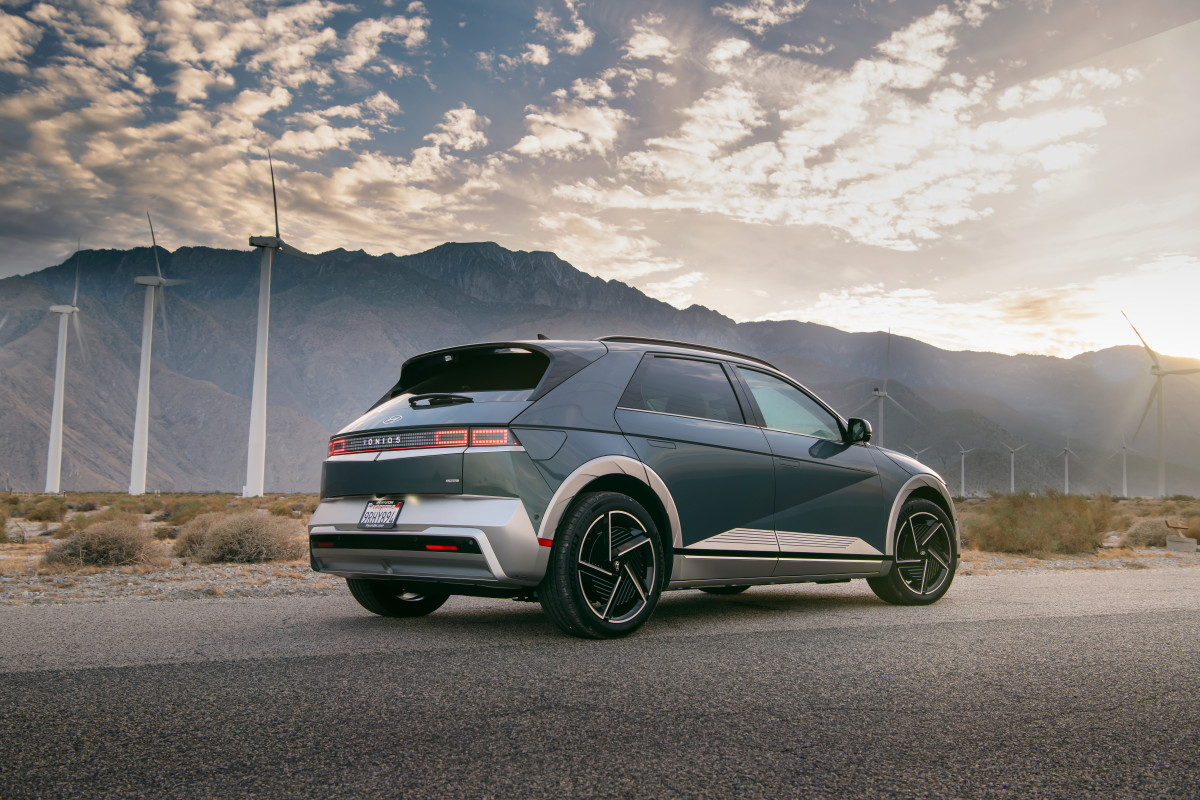
In Hyundai’s case, the affected vehicles newer affecting 2025-2026 models of the Ioniq 5and 9. Specifically, 21 units of the Ioniq 5 and 6 units of the Ioniq 9. According to the safety report recall, the Battery System Assembly (BSA) has a High Voltage Bus Bar.
These specific Bus Bars may have been installed with retention bolts that were not sufficiently tightened during supplier assembly. Over time, these loose bolts may cause the bus bars to produce electrical arching, which, – surprise, surprise, – may lead to a risk of fire. Another issue is that the affected vehicles may engage limp-home mode if they detect an issue.
Drew Phillips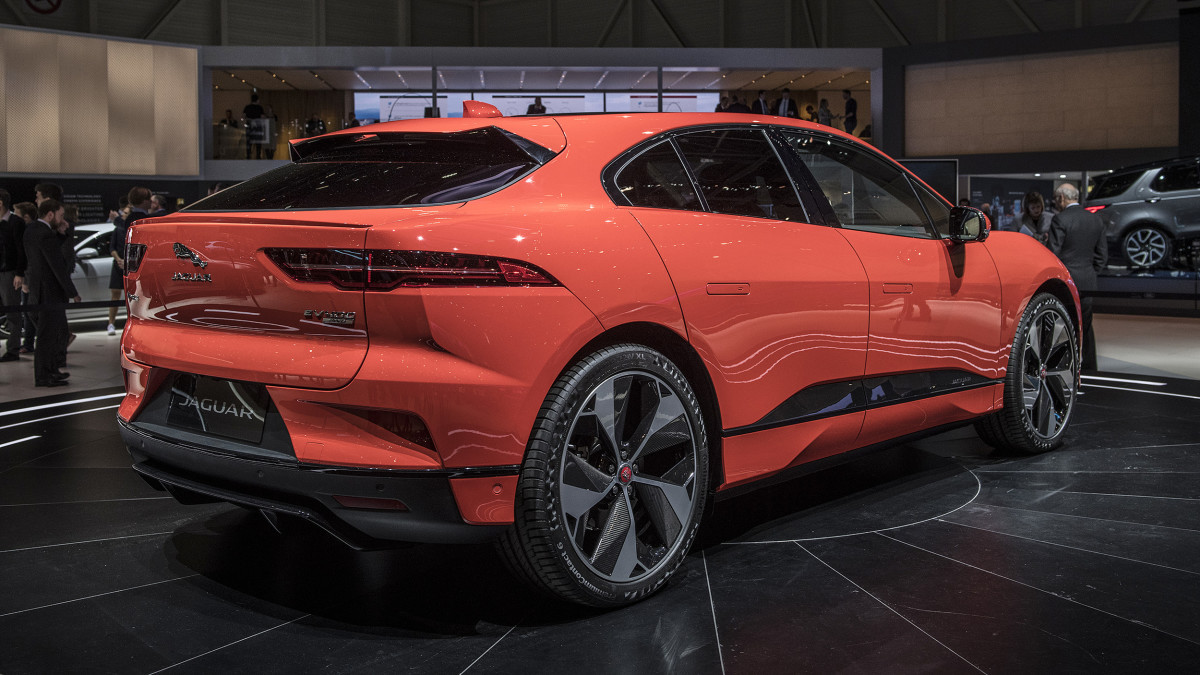
Taking Precautions
As scary as these fire risk recalls are, as of the issuance of the NHTSA recall advisories, none of the affected cars or models have actually caught fire or even smoked up. We must remember that safety recalls are precautionary measures implemented by the NHTSA and the brands in order to nip the problem in the bud.
Owners of affected models should have their cars properly inspected by the appropriate dealership personnel to avoid any issues. In the case of Jaguar, the feds are telling owners to charge their vehicles to no more than 90%. They are also advised to park away from structures and charge in an outdoor facility.
Hyundai