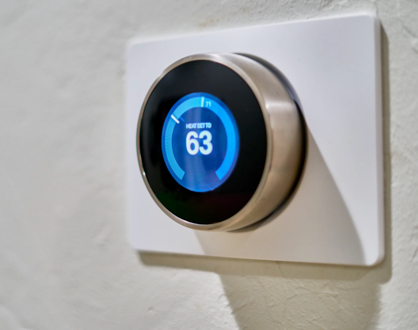
Every winter, it can feel like the electric bill sneaks up on you. You think everything is fine… until you open that email from your utility company and wonder how on earth the number climbed that high.
But you can make a handful of simple changes that truly do add up. Saving on your electric bill doesn’t have to mean shivering under ten blankets or living by candlelight. With a few thoughtful habits and practical shifts around your home, you can stay comfortable and keep more money in your pocket each month.
Whether you’re dealing with rising rates, a drafty older house, or just trying to steward your resources well, these strategies can help you lower your electric bill without feeling deprived.
Use (or Upgrade to) a Programmable Thermostat
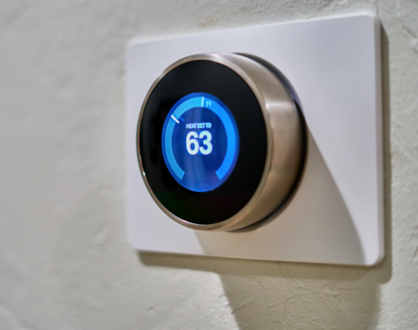
One of the most effective ways to immediately trim your electric bill is by using a programmable thermostat. Instead of heating or cooling your home at full throttle all day long, a programmable thermostat lets you set temperatures based on your rhythms.
If you’re out of the house during the day or asleep at night, you can lower the temperature during those hours and raise it only when you truly need it. Studies show that adjusting your thermostat just 7–10 degrees for part of the day can save up to 10% a year, which is a significant amount over time.
If your home still has a manual thermostat, upgrading doesn’t need to be expensive. Even the basic programmable models work beautifully and pay for themselves. Smart thermostats can take the guesswork out of everything by adjusting automatically, learning your schedule, and even giving you energy reports so you can see exactly where you’re saving.

Get Cozy Without Heating the Whole House
One of my favorite ways to save, especially during colder months, is to simply embrace coziness. Lowering the thermostat doesn’t have to make your home feel cold or uncomfortable. Putting on thick socks, grabbing a warm blanket, or keeping a cozy hoodie nearby can make a huge difference in how warm you feel without adjusting the heat. I’ve found that on days when I layer up and stay active around the house, I hardly notice that the thermostat is set lower.
Hot beverages help, too. A mug of tea or even a bowl of soup warms you from the inside out. Baking something in the oven can also add a little warmth to the kitchen while giving you a delicious treat to enjoy. These are small, simple comforts, but they make turning down the heat much more doable, and even enjoyable.

Seal Drafts and Block Temperature Leaks
Your home could be losing warm or cool air without you even realizing it, and unfortunately, heating and cooling the outdoors is one of the fastest ways to drive up an electric bill. Doors, windows, and even small gaps around baseboards and plumbing can allow indoor air to escape.
Sealing those areas can dramatically improve your home’s efficiency. Weather stripping around doors and windows is affordable and easy to install. If your windows are older, plastic window insulation film can make a noticeable difference in keeping cold air out.
Curtains also play a surprising role in temperature control. Thick or insulated curtains help block drafts during the winter and keep sunlight from overheating rooms in the summer. Some families also save money by closing off rooms they rarely use so they aren’t heating or cooling unnecessary space. Little by little, you’re helping your home hold onto the temperature you’re paying for which leads to consistent savings month after month.

Reduce Appliance and Hot Water Usage
Electric bills aren’t only about your thermostat. Major appliances like water heaters, dryers, dishwashers, and even electronics that stay plugged in around the clock can quietly (and quickly!) consume more energy than you might expect.
Lowering your water heater’s temperature to a safe but efficient level can reduce how hard it works throughout the day. Using cold water for laundry, washing dishes in full loads, and letting clothes air-dry occasionally can shave off noticeable amounts from your monthly bill.
Even the small habits matter. Many devices draw energy even when they’re “off,” so unplugging electronics you aren’t using can help reduce phantom electricity usage. (If you aren’t sure which electronics are using the most energy, you can use a Kilowatt meter to check!)
If your family has a habit of leaving lights on, consider switching to LED bulbs and making a fun challenge out of turning lights off when you leave a room. These changes are simple, but when you stack them together, they add up faster than you might imagine.
Call Your Utility Provider to Ask About Options
It may feel intimidating, but calling your electric company can sometimes make a bigger difference than anything you do inside your home. Providers often have programs or rate plans that reward energy efficiency, support budget billing, or offer seasonal savings.
If you’ve never asked what options you qualify for, it’s worth taking a few minutes to check. We once saved money simply by adjusting our billing cycle and choosing a different rate structure, which is something we wouldn’t have even known about if we hadn’t asked.
Some companies also provide free or discounted energy-efficiency kits, home energy assessments, or rebates for upgrades like smart thermostats, insulation, or LED bulbs. You’re already paying for the service each month, so you might as well take advantage of the programs available. It never hurts to ask, and it can sometimes save you far more than you expect.
Look Into LIHEAP and Other Energy Assistance Programs
If your electric bill feels overwhelming, especially during extreme weather seasons, it might be worth checking whether you qualify for LIHEAP, the Low Income Home Energy Assistance Program. This federal program helps eligible families with heating, cooling, or energy-related costs. Many people don’t realize they qualify, and every year funds go unused simply because families aren’t aware that help is available.
Eligibility is usually based on household income, size, and state guidelines. The easiest way to see if you qualify is to visit your state’s LIHEAP website or call your local community action agency. Many states also offer additional programs like utility-specific hardship funds, weatherization assistance, or emergency energy grants.
These programs are designed to support families during seasons when bills spike or when income is tight. If you’ve been struggling or even just feeling stretched thin, don’t hesitate to check. Receiving help doesn’t mean you’re failing; it means you’re using the resources available to take care of your family.

Small Habits Truly Add Up
Saving on your electric bill doesn’t require perfection or huge sacrifices. It’s really about awareness, noticing where the energy is going, choosing small habits that support your goals, and making gradual changes that feel sustainable for your family. Whether you start by lowering the thermostat a few degrees or simply unplugging a few unused devices, the important thing is to start somewhere. Every step you take helps you steward your resources well and creates a little more breathing room in your budget.
And remember: you don’t have to overhaul everything at once. Pick one or two ideas that feel doable this week, try them out, and see what kind of difference they make. You may be surprised by how quickly the savings show up, and how empowering it feels to take control of your home’s energy use.
More Ways to Save Money:
- 35+ Ways to Save Money on Your Energy Bill
- 55+ Simple Tips to Save Money at Home
- 30 Creative Ways to Save On Gas With Rising Fuel Prices
- Upside App — The Best Gas Saving App {Up to $0.25/gallon cash back!}
- 15 Ways to Make Money Online
- 5 Ways to Save Money on Doing Laundry
- How We’re Saving $50 Per Month on Our Bills (and it just took two simple phone calls!)
- Ask Crystal: What money-saving strategies are worth your time?
- 65+ Frugal Date Night Ideas (FREE Printable List!)
What helps you save on your electric bill? Share your ideas in the comments below!

Ready to finally stick to your budget once and for all?!
Tracking your budget doesn’t have to be overwhelming or complicated! Use these FREE Budget Spreadsheets to easily plan and track your spending each month!
