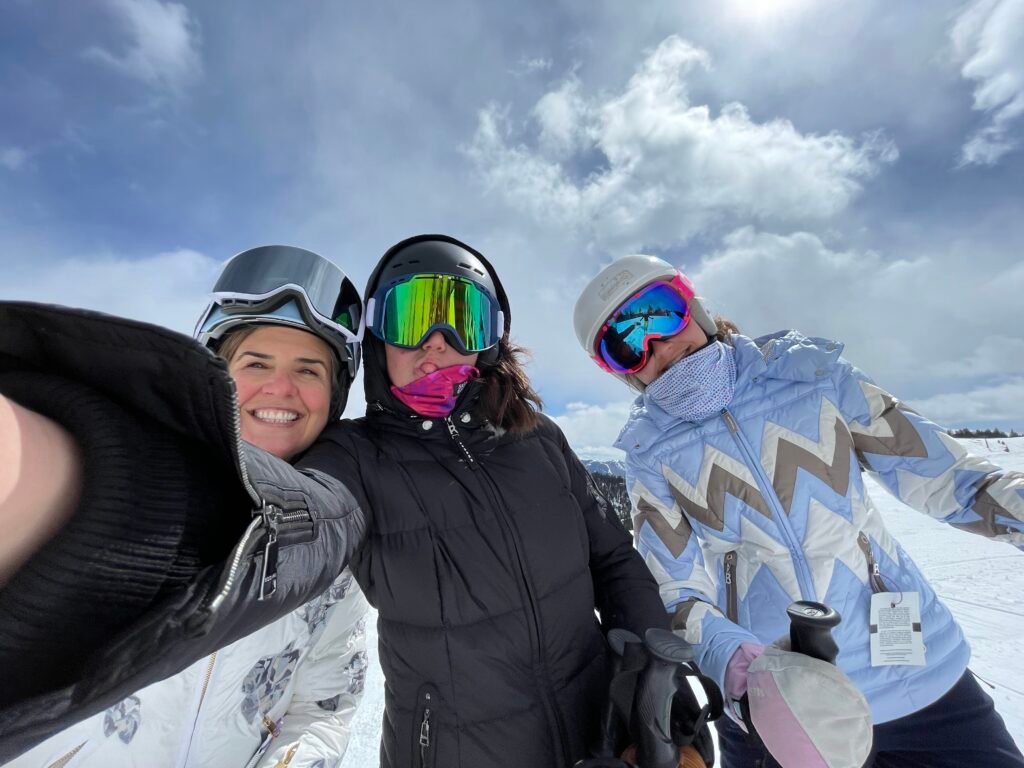
Spring sunshine is creeping into ski season. Layers start coming off, après patios get a little louder, and some families begin the annual ritual of packing away gear—hopefully after removing the stray Skittles from jacket pockets and giving everything a proper wash.
Others (raises hand) are still chasing snow, with ski days stacked on the calendar and trips still to come.
But whether you’re wrapping up your season or squeezing out every last run, ski resorts are already asking you to do something very specific: look ahead to next winter and commit now.
That’s right—it’s ski pass season.
Open Instagram, TikTok, or Facebook and you’ll see the avalanche of messaging: Epic Pass, Ikon Pass, Indy Pass, local mountains. Everyone wants you to believe their pass is the one you must buy right now.
And if you’re a ski parent? The decision can feel overwhelming.
I’ve had a lot of notes from readers asking for help navigating the process. I’m happy to help—but maybe not in the spreadsheet-heavy way you expect.
If you want exact calculations on runs-per-dollar, blackout calendars, and deep comparisons, head to the excellent analysts over at Storm Skiing.
Here at Momtrends, we’re taking the big-picture approach.
After years of skiing with kids—and talking with thousands of moms in the ski community—I’ve learned that choosing a ski pass isn’t about spreadsheets. It’s about asking the right questions for your family’s lifestyle, budget, and travel plans.
Here’s how to think about it.

Start With Your Home Mountain
The first and most important decision is choosing your home mountain.
This is the mountain you’ll visit most often—the one that becomes part of your family routine.
When my kids were younger, our home mountain was Mohawk Mountain in northwest Connecticut. It’s small, with just 650 feet of vertical. But that wasn’t a drawback—it was exactly what we needed.
My kids could safely explore, build confidence, and develop their skills. Meanwhile, I built lifelong friendships volunteering at races and chatting on the slow lift rides.
A home mountain works best when it’s convenient and welcoming.
Ask yourself:
- Is the mountain easy to reach regularly?
- Does the price make sense when broken down per visit?
- Are there seasonal programs for kids?
- Do you want a ski community?
For families with younger kids, seasonal programs and ski teams can be invaluable. For empty nesters, women’s ski groups or weekday programs can be equally rewarding.
Some resorts even offer perks like immediate access to the slopes when you purchase next year’s pass. For example, Snowbasin in Utah allows pass holders to start skiing right away after purchasing a season pass—a great incentive if you want to sneak in one more trip before the season ends.
How to maximize your home mountain pass:
- Join a women’s ski group
- Volunteer with kids programs or races
- Plan weekday ski days when possible
- Schedule a few “powder flu” days for the kids
Those midweek runs on uncrowded slopes are often the best of the season.
The Next Step: Home Mountain + Travel
Once your family catches the ski bug, one mountain often isn’t enough.
You still want your home mountain for weekend programs—but suddenly you’re also dreaming about a spring break trip to the Rockies or a long weekend somewhere new.
That’s where add-on passes come in.
Many mountains are connected to larger pass systems, allowing you to add access to resorts across the country—or even internationally.
Questions to consider:
- Do you have vacation time to travel?
- Is there room in the budget for a ski trip?
- Where do you want to go—and when?
Some years make more sense than others.
If your calendar is full of sports tournaments, college visits, or newborn chaos, it might not be the right season for big travel plans.
But if you have a fifth grader who qualifies for kids-ski-free programs in places like Idaho, suddenly that ski trip becomes a much better value. Check out all the state options here.
Programs like Ikon Base Pass, Epic Pass, and Indy Pass allow families to expand their ski season beyond one mountain. The key is planning trips outside blackout dates to maximize the value.
The Big Splurge: Major Multi-Resort Passes
Then there’s the next level: full multi-resort passes.
This is where things get expensive—fast.
For families who travel regularly or ski many destinations, passes like Ikon Pass or Epic Pass can make sense. These products unlock access to dozens of mountains across North America and Europe.
But the upfront cost can be intimidating.
For example, a family of four purchasing Ikon passes can easily approach $6,000 before a single plane ticket is booked.
Epic Pass tends to be slightly less expensive but still represents a significant investment.
Ask yourself:
- Will you ski at least five days at participating resorts?
- Do you plan to travel to multiple destinations?
- Will your family actually use the perks and add-ons?
For families who love travel, these passes can unlock incredible experiences—from Colorado powder to skiing in the Italian Dolomites.
But here’s an important truth:
The best ski day isn’t always at the biggest resort.
Some of my favorite memories came from smaller independent mountains like Grand Targhee in Wyoming—not necessarily the places with the biggest marketing budgets.

The Local Explorer Option
Not every ski family wants to hop on planes.
If you prefer road trips and local adventures, there are excellent regional pass options that deliver incredible value.
Examples include:
- Colorado Gems Card
- New England Pass
- Indy Pass
These are fantastic options for:
- Day-tripping families
- Homeschoolers
- Budget-conscious explorers
- Skiers who prefer smaller independent mountains
The Colorado Gems Parent Pass, for example, offers access to multiple Colorado resorts at a fraction of the price of national passes.
Meanwhile, the Indy Pass gives skiers two days at hundreds of independent resorts worldwide.
Just one warning: Indy Passes sell out quickly, so if you’re considering one, join the waitlist early.
Mini Passes: A Smart Backup Plan
If there’s one thing we know about ski seasons, it’s that weather is unpredictable.
Some winters deliver endless powder. Others… not so much.
That’s where mini passes can be a smart hedge.
Instead of committing to a full season pass, you can purchase:
- Four-day Epic Pass products
- Short Ikon packages
- Indy Pass add-ons
This approach gives you flexibility.
When a big snowstorm hits somewhere amazing, you can jump on a plane or road trip without feeling like you’re wasting money at your home mountain.
Think of it as powder insurance.
Ski Pass Strategy for Families With Young Kids
If your children are five and under, let’s pause for a moment.
At this stage, skiing is not about vertical feet or powder days. It’s about learning to love winter.
Your priorities should be simple:
- Easy learning areas
- Bathrooms nearby
- Warm lodges
- Friendly instructors
Small independent mountains often shine here.
Places like Cochran’s Ski Area in Vermont or community hills across the Midwest and West focus on creating welcoming environments for beginners.
The goal isn’t efficiency—it’s building a lifelong love of the sport.
And sometimes just getting everyone dressed and onto the magic carpet counts as a victory.

Consider Pass Insurance
Once passes climb above $1,000, insurance becomes worth considering.
Some pass programs offer optional refundable versions, while others include limited coverage for injuries or job loss.
But policies vary widely, so always read the fine print.
Things worth checking:
- Pregnancy coverage
- Injury or illness protection
- Job-loss clauses
- Refund calculations
When in doubt, a smaller pass product might be the safer bet.
Ski Passes Make Great Gifts
One final thought: ski passes can be an incredible gift.
For young adults navigating their first years of independence, a season pass can provide outdoor adventure and community.
It’s encouraging to see programs like Epic Pass offering discounted options for skiers under 30, making the sport more accessible to the next generation.
And importantly, these discounts aren’t limited to college students—they apply to all young adults.
That’s a win for growing the sport.
The General Rules of Ski Pass Buying
If you take away just a few tips, let them be these:
Buy early. Prices almost always increase as the season approaches.
Check your child’s age eligibility. The age at purchase can affect pricing.
Read the fine print. Especially around cancellations and injuries.
Consider insurance. Particularly for expensive passes.
A Little Ski Mom Math
Skiing isn’t cheap. There’s no way around that.
But here’s how many families justify the investment: skiing creates shared experiences that keep families coming back together year after year.
Even as kids grow into adults, ski trips remain one of the few vacations they’ll happily take with their parents.
And when you look at it that way, the math starts to feel a little different.
For perspective, a Disney annual pass can cost more than $1,600 per person—yet families buy them for the exact same reason: unlimited access and the promise of making memories.
In the end, ski passes work the same way.
The right pass isn’t necessarily the biggest or the most expensive.
It’s the one that gets your family out on the snow, together, as often as possible.

The post How to Choose the Right Ski Pass for Your Family (Without Losing Your Mind) appeared first on Mom Trends.