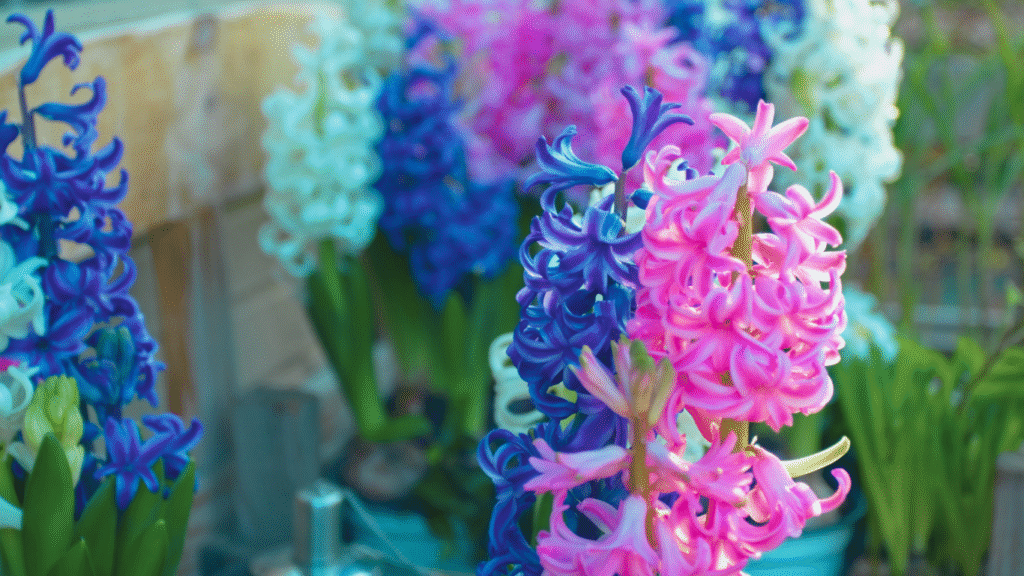
When many people think about spring, they envision garden beds filled with colorful flowers to welcome the warmer months. One such flower that truly captures the essence of the season is the hyacinth, known for its vibrant blooms and sweet, unmistakable fragrance. Below is a helpful guide on how to care for a hyacinth plant.
Hyacinth Blooms Quick Facts
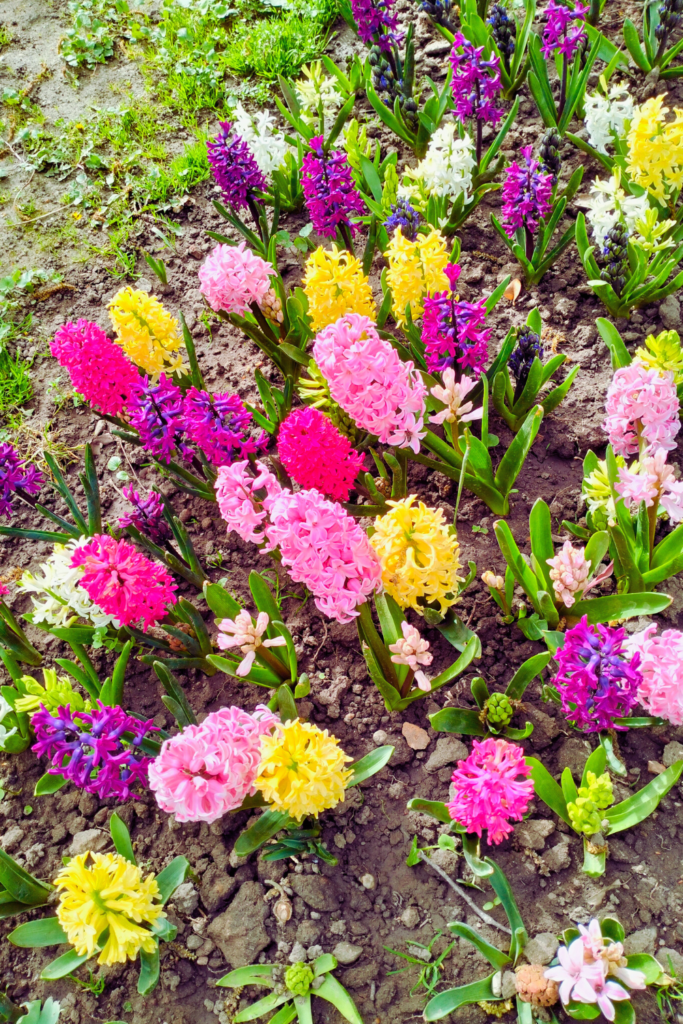
The hyacinthus orientalis is the scientific name for the common hyacinth. These spring-blooming plants originally come from the Eastern Mediterranean. The hyacinth plant grows best in USDA hardiness zones 4-8. These plants come in a variety of colors, make great cut flowers, and can be grown indoors or outdoors.
Hyacinth Bulbs
Hyacinth flower bulbs need to be planted in the late fall for spring blooming. Make sure the bottom of the bulb is planted downward so that next year’s blooms are successful.
How to Care for a Hyacinth Plant
Outdoor hyacinths require most of the care described below. Follow this guide for healthy hyacinth plants in the following year.
Sun Requirements
For healthy hyacinth plants, place the bulbs in full sun or partial shade. Direct sunlight and light shade will help your plants grow well in the spring.
Soil Requirements
Hyacinth flowers grow best in well-drained soil that has a somewhat acidic or neutral pH (6.0-7.0). The soil needs to have good drainage so that the bulbs will not rot. Soggy soil may result in no flowers with ruined bulbs.
Water Requirements
Hyacinths need just a little watering to prevent the bulbs from rotting out. Water the plants about 1-2 times a week, or when the top inch of soil (or two) is dry to the touch.
Hyacinths grown in containers will need a little more water to maintain their growth habits. Drill drainage holes in your pots so that extra water has a place to go.
Pruning Hyacinth Flowers
Remove the flower stalk once the flowering period is over. Keep the green foliage in place so that the bulb can store energy for the next growing season.
Types of Hyacinths
There are many different types of hyacinths you can grow in your spring garden. Below are just a few for you to consider adding to your flower beds.
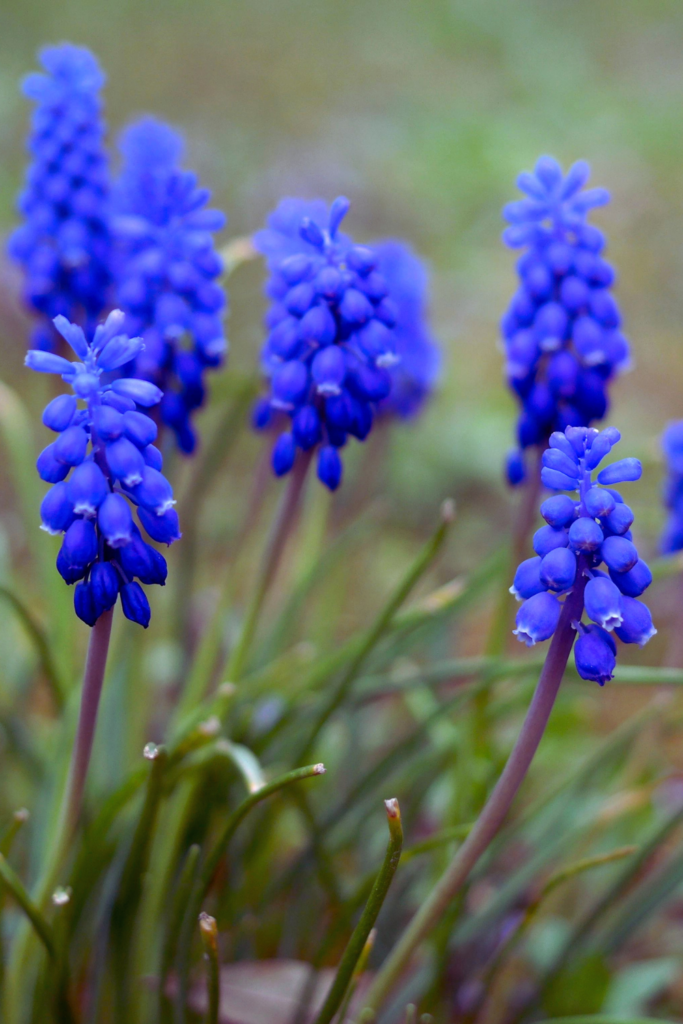
Grape Hyacinth
The grape hyacinth is a popular type of spring-blooming bulb. Tiny purple blooms appear on a single flower spike. Plant the bulbs in the fall to enjoy the flowers in springtime.
Alios Hyacinth
The alios hyacinth produces stunning white flowers on tall stalks. The white blooms are a stark contrast to the green foliage on the plant. These make great border plants.
Blue Jacket
The blue jacket hyacinth blooms blue flowers with light blue or white stripes. This common hyacinth is very popular, most likely due to its blue color. They are known for having a strong, sweet smell.
Anna Marie
The Anna Marie hyacinth is known for its pale pink blooms and strong fragrance. As the plant ages, the flowers turn salmon in color. These bulbs bloom as early as February to enjoy before other spring flowers emerge.
Propagating Hyacinths
Did you know you can propagate your hyacinth bulbs? Over time, tiny bulbs grow from the main one underground. You can grow new plants from these smaller bulbs. Separating the bulbs also reduces overcrowding, which can cause your plants not to grow properly or at all.
Propagate when your hyacinth is dormant, usually in the summer. Dig up the bulb and cautiously separate the smaller bulbs. Plant the bulbs so that they have plenty of space to flourish.
Overwintering Hyacinths
If you live in a very cold climate or have poor soil, overwintering your hyacinths can save them for the warmer months. Dig up your bulbs once the foliage is gone and place them in a paper bag in a cool area of your home.
Common Problems
There are some common problems you want to look out for when thinking about how to care for a hyacinth plant. One such problem is bulb rot. Bulb rot occurs when there is too much wet soil around the bulb. Prevent this by making sure the bulbs are planted in well-draining soil.
Fungal diseases include leaf spots, Botrytis blight (tulip fire), and soft rot. These diseases come about from poor circulation, bulbs being planted too close together, and being grown in humid, wet areas. Careful planning can prevent these diseases from happening.
Forcing Indoors
Hyacinths are also popular holiday blooms for indoor enjoyment during the winter months. Since these plants don’t naturally bloom during the winter, they need to be “forced” to bloom this time of year.
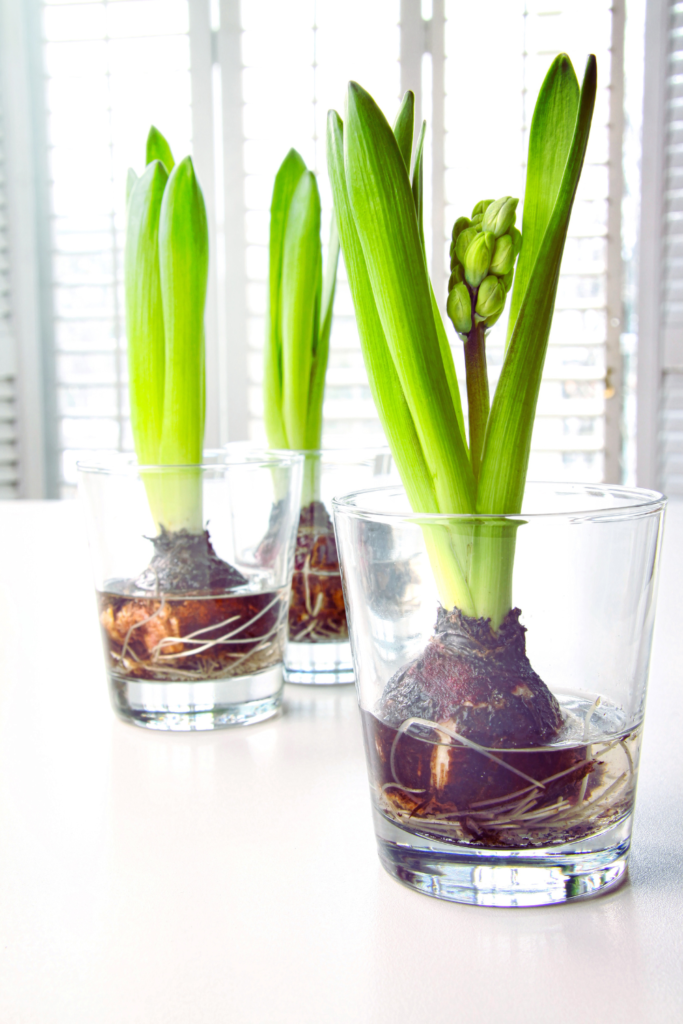
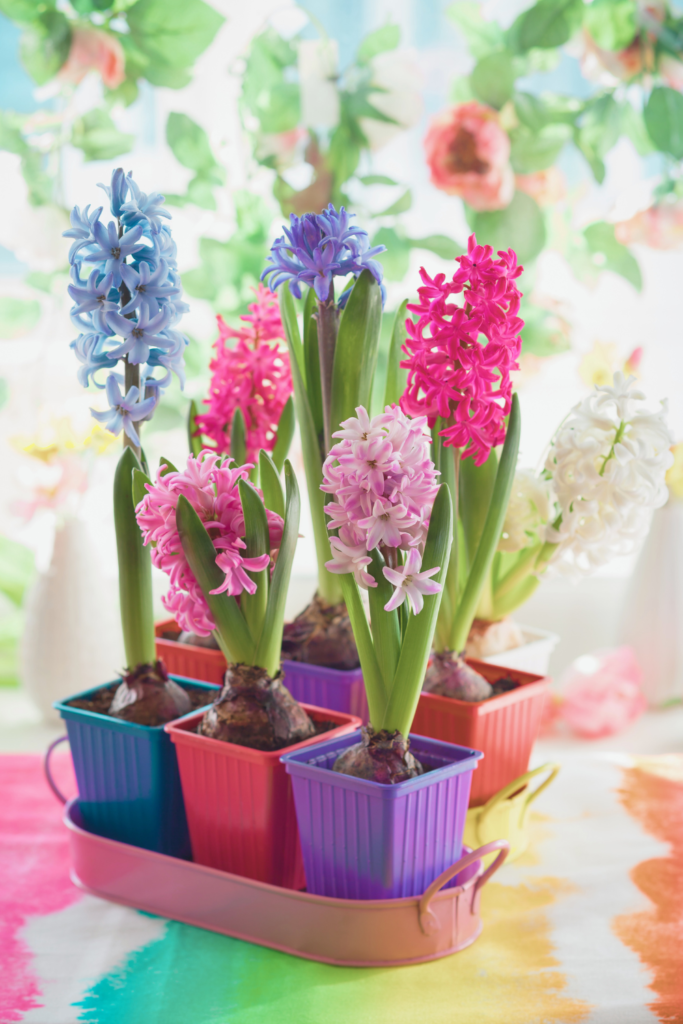
The best way to force hyacinths is to buy bulbs that have been pre-chilled or to purchase regular bulbs that are put in the refrigerator for 12-16 weeks. The bulbs should be placed in water, with water just touching the bottom of each bulb.
Alternatively, you can plant the bulbs in most soil. When shoots start to appear, place the bulbs in a bright spot in your home and watch them grow into colorful houseplants. Many stores will have indoor bulbs ready to purchase that are already in a vase around the holidays.
Container Gardening with Hyacinths
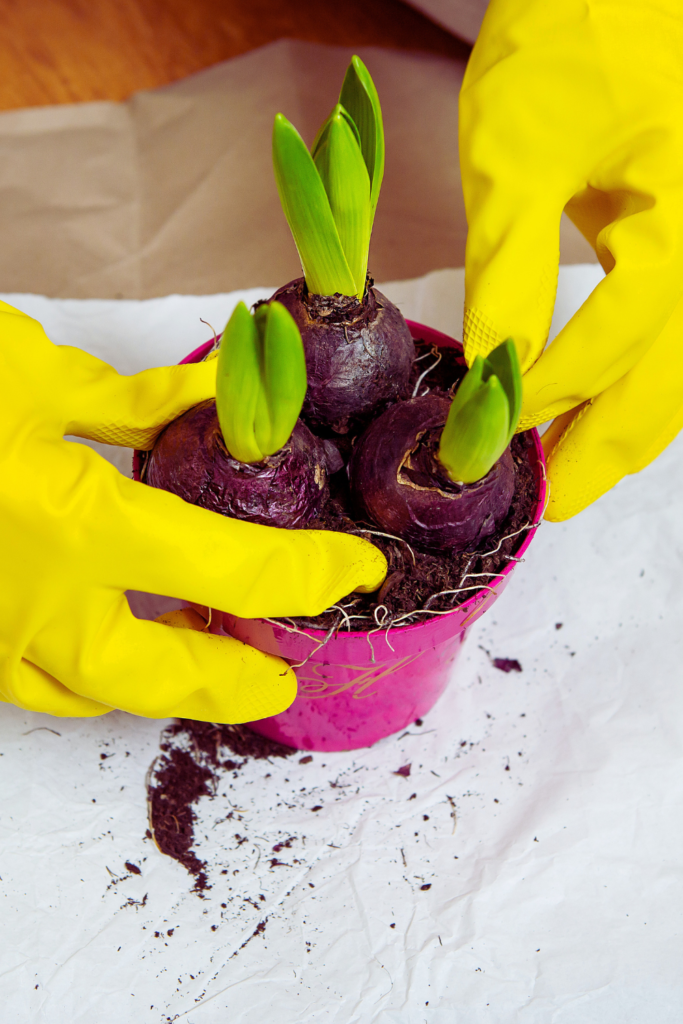
Hyacinths don’t need much space to grow, which makes them great container plants. Make sure the container is deep enough so that there is plenty of room to plant one more bulb.
Most containers have holes, but you may need to drill some so that water does not sit at the bottom. Bulbs should be planted close to each other, but not touching. Place the container in a space that gets plenty of sun.
Container plants need more water in general, but not too much, or issues like bulb rot or fungal diseases will occur. Water your hyacinths when the top layer of soil is dry.
Companion Planting with Hyacinths
Companion plants are plants that you can grow together with similar growing conditions. Several other flowering bulbs make great companion plants with hyacinths, such as crocuses, tulips, and daffodils. All of these grow around the same time, so that you can enjoy a colorful display of various flowers in your garden.
Once your hyacinth leaves start to turn yellow, cover them up by growing ferns, hostas, and daylilies nearby. If your hyacinths attract pests like snails or aphids, lavender, alliums, and marigolds can keep these critters away.
Designing a Garden with Hyacinths
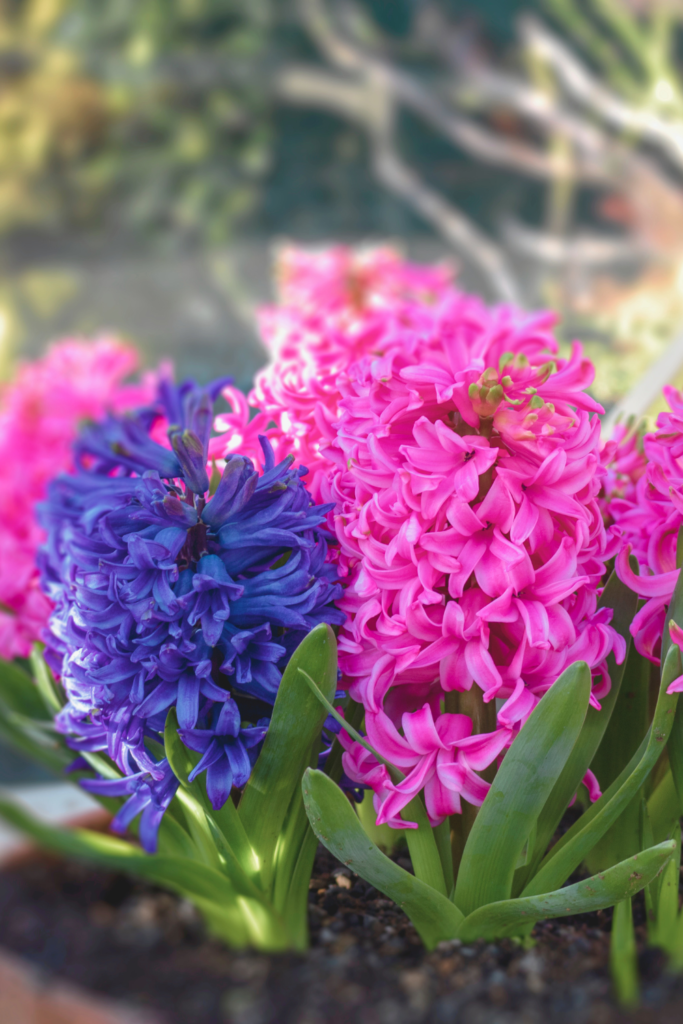
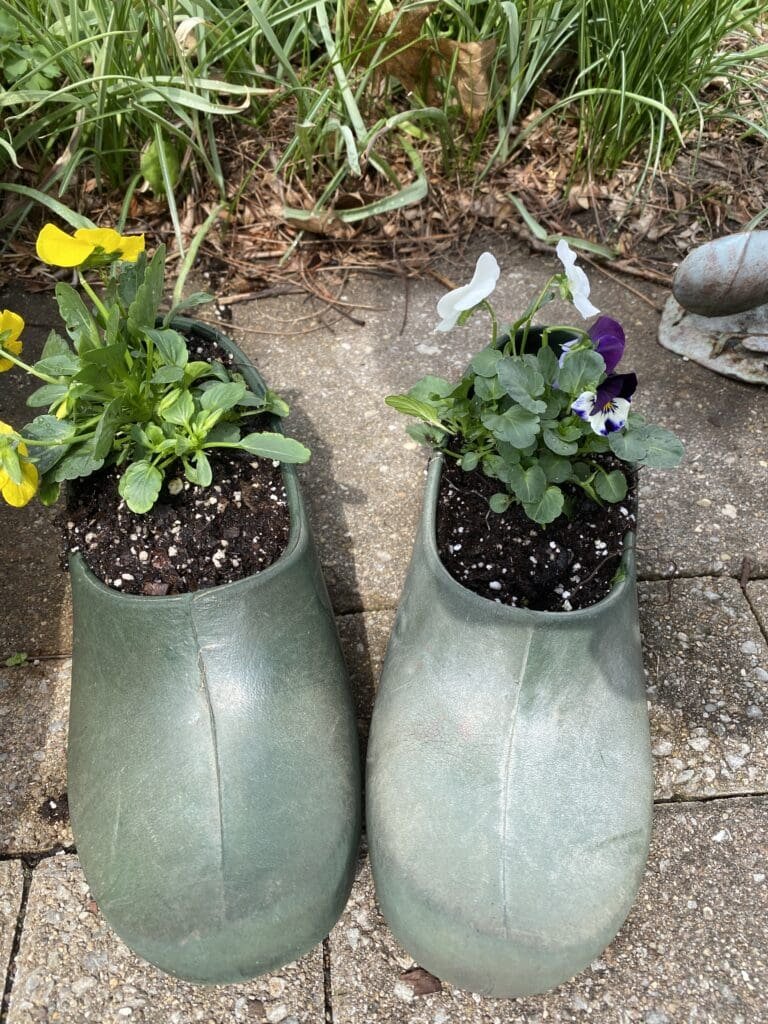
Create contrast by growing primroses, pansies, and forget-me-nots as groundcover around your tall growing hyacinths. Place a variety of colorful hyacinths in front of a perennial garden for a bold statement in your outdoor space.
Fill garden beds with hyacinths and other spring bulbs for a colorful and cheerful section of your garden. There are plenty of things you can do with containers as well. Mix and match hyacinths with other plants of varying sizes in a container to welcome guests on your front porch.
Growing hyacinths in the middle of the container with shorter plants spilling out on the edges will make your urban garden stand out.
How to Care for a Hyacinth Plant FAQs
Below are some frequently asked questions about how to care for a hyacinth plant you may have. These are great to consider before investing time and money into the plant.
How do you take care of a potted hyacinth?
A potted hyacinth prefers growing in cooler weather (60 – 70 degrees). When the bulbs are sprouting, keep them in bright, indirect light. Blooming hyacinths do best in full sun. Keep the soil moist, but not so much that you end up with rotted bulbs. Water your potted hyacinth 1-2 times a week.
How long will a potted hyacinth last?
A potted hyacinth can last about 1-3 weeks inside. The bulb can be planted outdoors since it is a perennial that you can enjoy for a few years. Bulbs grown in water do not last as long as those that grow in soil, so keep this in mind if you plan on planting your hyacinths outdoors in the future.
How do you keep a hyacinth alive indoors?
Make sure your indoor hyacinth gets the appropriate sun and water to stay alive indoors for a few weeks. You can always transfer the bulb outside after the blooms fade.
Do hyacinths grow back every year?
Hyacinths are perennial bulbs, which means they can come back every year. Bulbs can last several years, although some can last longer. Just follow the steps above to enjoy healthy plants from the same bulb for a few years.
Hyacinth Care Conclusion
Now that you know how to care for a hyacinth plant, you can enjoy growing them indoors or outdoors with confidence. With the right care, these fragrant spring bloomers will reward you with vibrant color and a delightful scent that brightens any space.
Whether you’re adding them to garden beds, containers, or displaying them inside your home, hyacinths are a beautiful and easy way to celebrate the season.