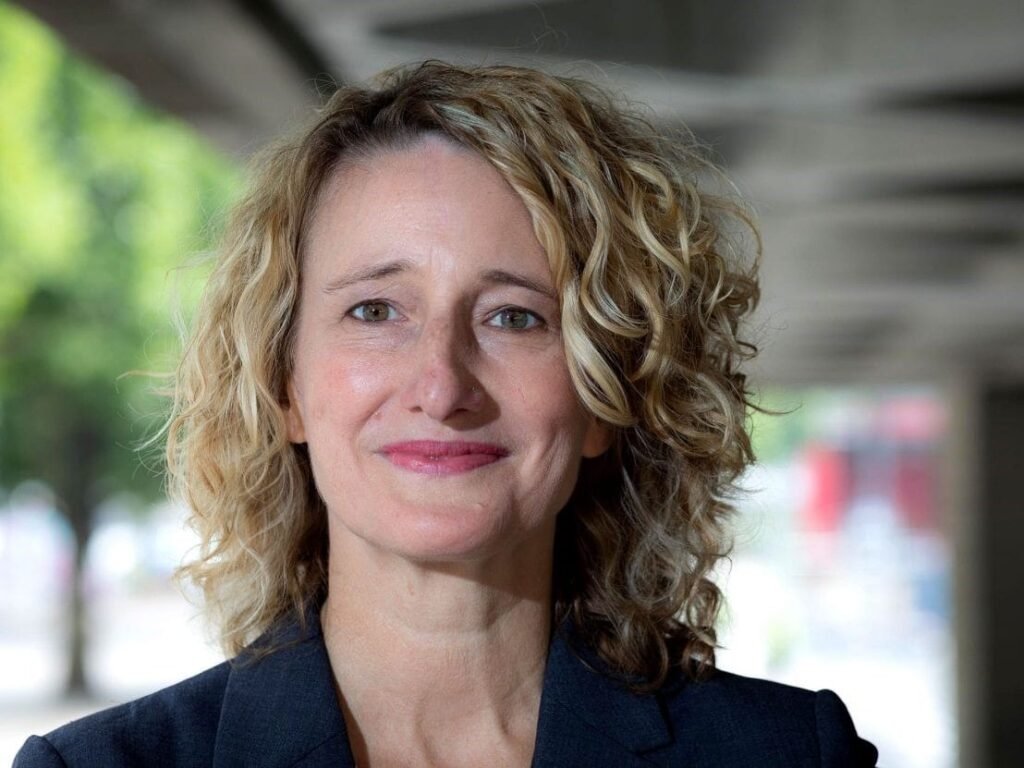
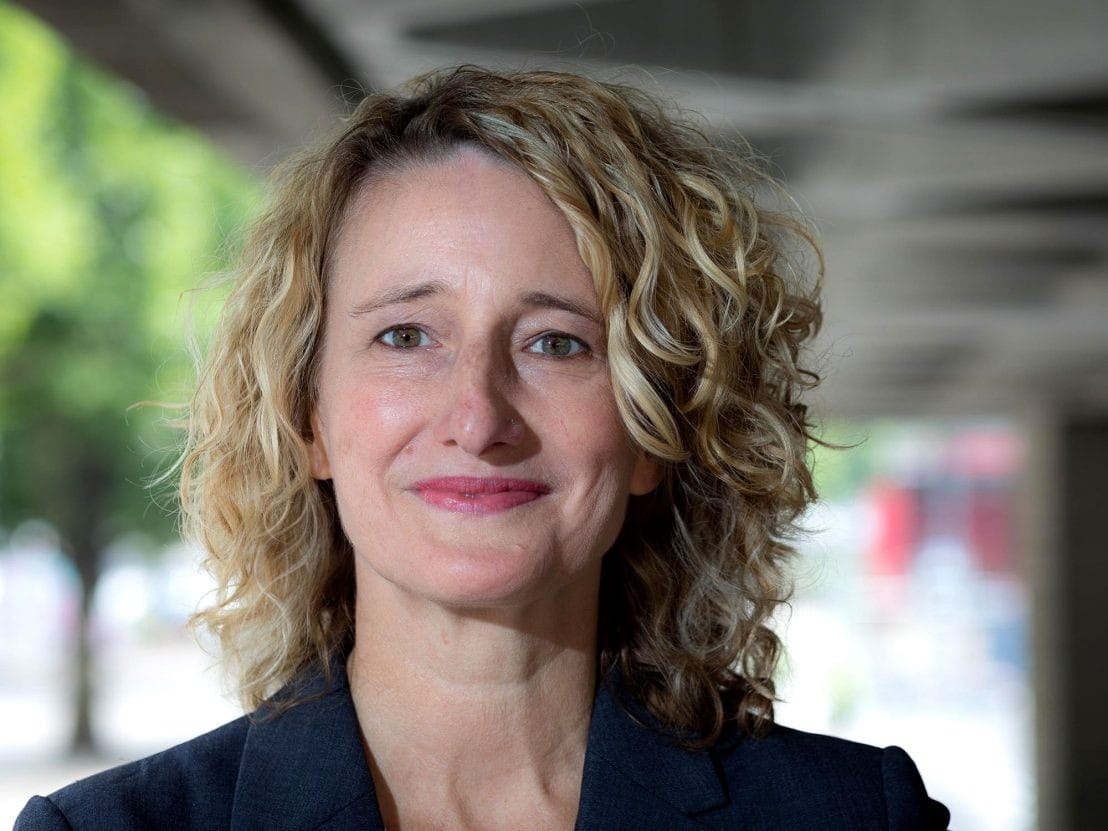
Despite its desperate attempts to divorce art from politics, the Berlin International Film Festival (Berlinale) sparked controversy yet again after multiple prizewinners’ acceptance speeches included criticisms of Israel and Germany. Amid speculation that Berlinale Director Tricia Tuttle could be ousted as the event executives navigate the next steps, hundreds of film professionals have come to Tuttle’s defense in an open letter regarding the festival’s institutional independence.
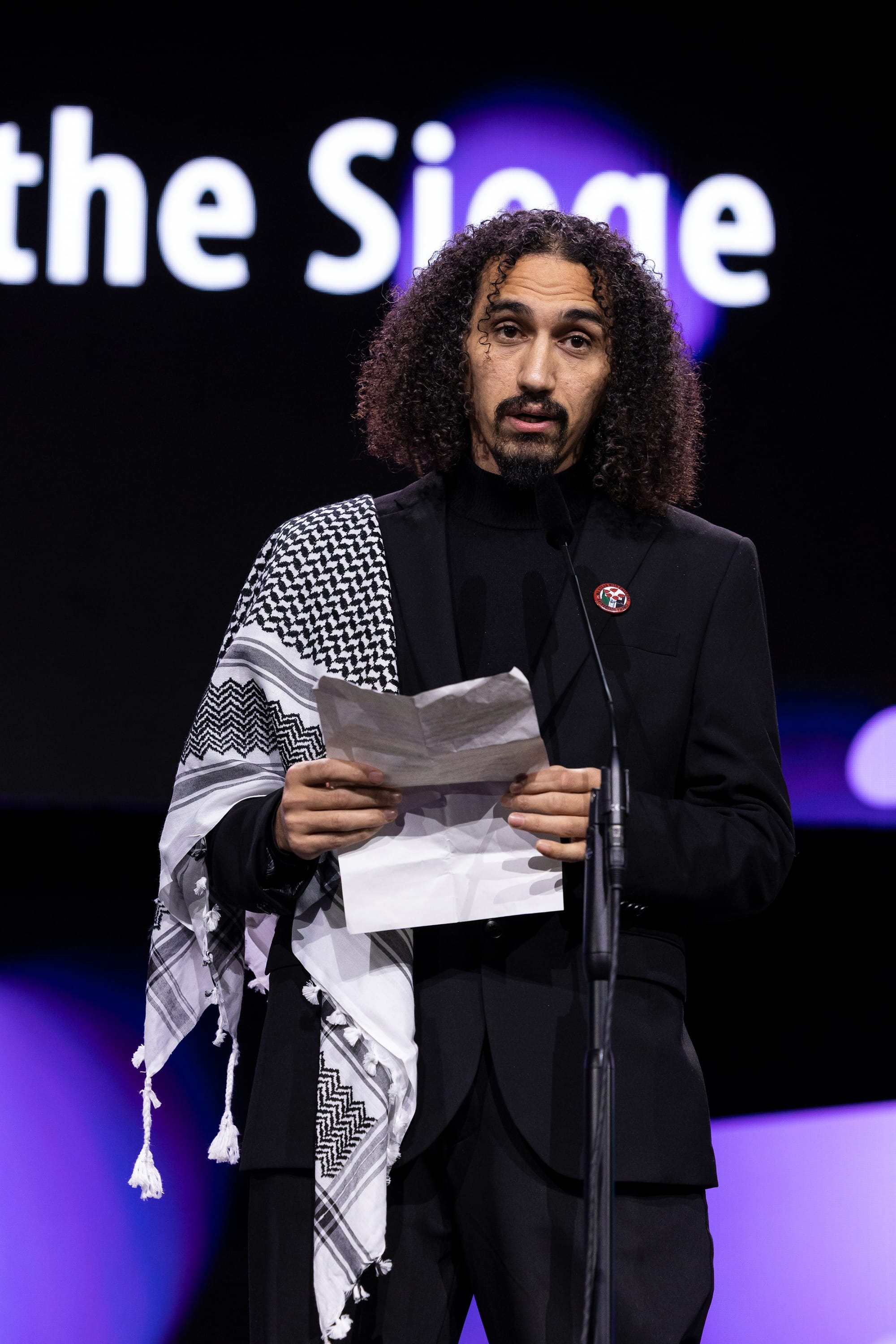
During the closing ceremony on Saturday, February 21, Syrian-Palestinian filmmaker Abdallah Al-Khatib, whose 2026 film Chronicles from the Siege won the best first feature award, gave an acceptance speech that fervently advocated for a free Palestine. He closed his monologue by specifically accusing the German government of being “partners in the genocide in Gaza by Israel.”
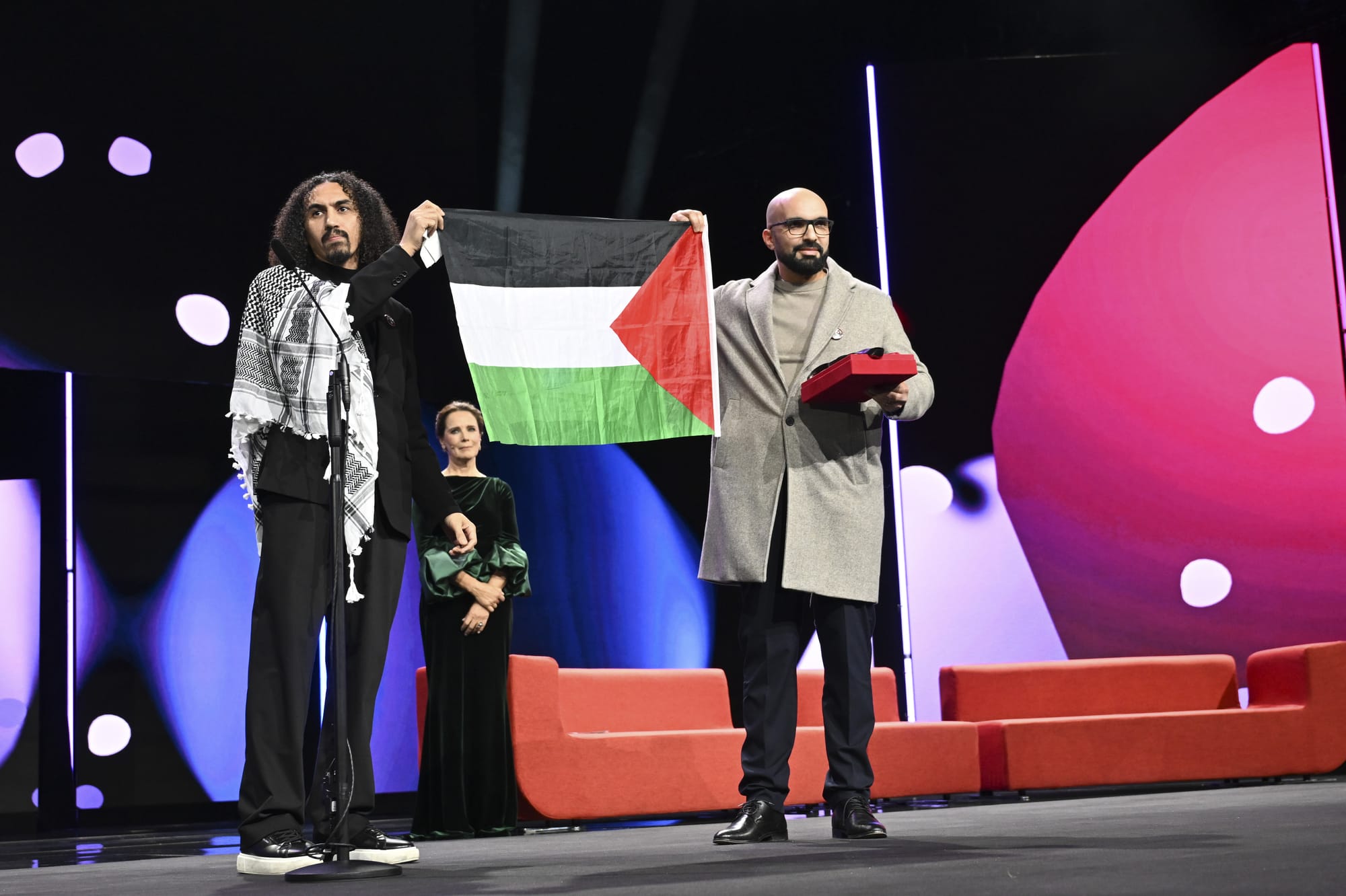
“I believe you are intelligent enough to recognize this is true, but you choose to not care. Free Palestine from now until the end of the world,” Al-Khatib finished off, and then he and the film’s co-producer Taqiyeddine Issaad unfolded a Palestinian flag.
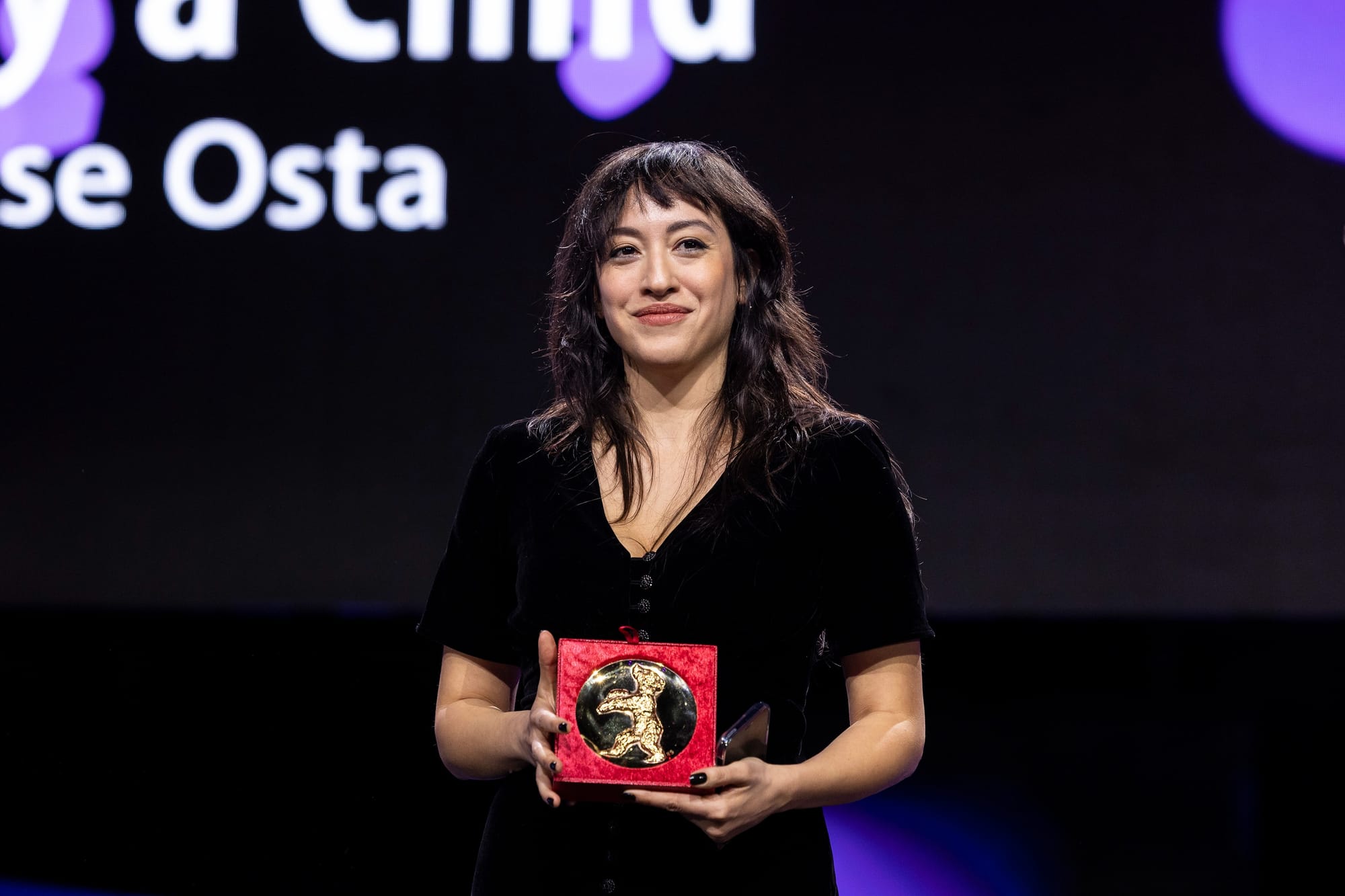
German Minister of Environment Carsten Schneider left the event in protest, railing through a spokesperson that Al-Khatib’s remarks were “unacceptable.” Lebanese filmmaker Marie-Rose Osta, who won best short film for Someday a Child (2026), used the pulpit to explain that Israel had repeatedly violated its ceasefire agreements with Gaza and Lebanon, and, in reference to her film’s narrative, that “no child should need superpowers to survive a genocide empowered by veto powers and the collapse of international law.”
In response to backlash and accusations of antisemitism from German politicians, including Culture Minister Wolfram Weimer and Berlin Mayor Kai Wegner, the festival told Deadline in a statement that all the speeches were “within the bounds of free speech laws in Germany.” In an interview with right-wing German tabloid Bild, Weimer, who chairs the festival’s supervisory board, said that he called for an special meeting to discuss the festival’s future, declaring that “hatred of Israel must not be allowed to run rampant there, especially not financed with taxpayers’ money.”
According to Weimer, it wasn’t just Al-Khatib’s speech that raised concern, but also the fact that Tuttle had posed for a photo with the Chronicles From the Siege film team, who donned keffiyehs and held the Palestinian flag, during the film’s premiere. While the insinuation of Tuttle’s possible ouster spread like wildfire, the open letter in her defense — signed by some 2,000 people including Nancy Spielberg, Tilda Swinton, and Sean Baker — noted that “when personnel consequences are drawn from individual statements or symbolic interpretations, a troubling signal is sent: cultural institutions come under political pressure.”
Some 500 members of Berlinale’s own staff put out a unanimous statement underscoring their support for Tuttle as well. Furthermore, several key players in Israel’s film community signed off on a letter to the festival’s governing body in which they highlighted Tuttle’s “commitment to diversity of voices, non-censorship and creating a space of open debate to all voices,” adding that “she has ensured that the multifaceted reality of Israeli society continues to engage in a meaningful dialogue with the world.”
Political tension began simmering at the festival during a press conference on its start date, February 12, when a reporter asked about the “German government’s support of the genocide in Gaza and its role as the main funder of the Berlinale.” Members of the festival’s international jury tried to extricate the event, and cinema in general, from contemporary politics.
“We have to stay out of politics, because if we made movies that are dedicatedly political, we enter the field of politics,” responded German director Wim Wenders, whose filmography includes Paris, Texas (1984), Wings of Desire (1987), and The Salt of the Earth (2014). “But we are the counterweight to politics. We are the opposite of politics. We have to the work of people, and not the work of politicians.”
Indian novelist and activist Arundhati Roy cancelled her appearance at the festival, saying she was “shocked and disgusted” by Wenders’s stance, which she described as a “way of shutting down a conversation about a crime against humanity even as it unfolds before us in real time.” Over 100 industry professionals, including Javier Bardem and Mark Ruffalo, also signed a letter condemning Wenders’s remarks.
As reporters aimed more political inquiries at the jury members, filmmakers, and various actors throughout the festival’s press events, Tuttle herself issued a public statement saying that “artists should not be expected to comment on all broader debates about a festival’s previous or current practices over which they have no control,” and that they shouldn’t be expected to speak on every political issue presented to them.
Tuttle became the Berlinale director shortly after its 2024 iteration, which had also made headlines due to the explosive reaction to the acceptance speech Palestinian activist Basel Adra and Israeli journalist and director Yuval Abraham delivered when their film No Other Land (2023) won best documentary.
After running the British Film International’s film festival for almost a decade, Tuttle told the Guardian in 2024 that her first iteration of Berlinale was marked by hesitant filmmakers who cited concerns about free speech regarding Gaza.