How do you convince a bank to lend you money to plant trees?
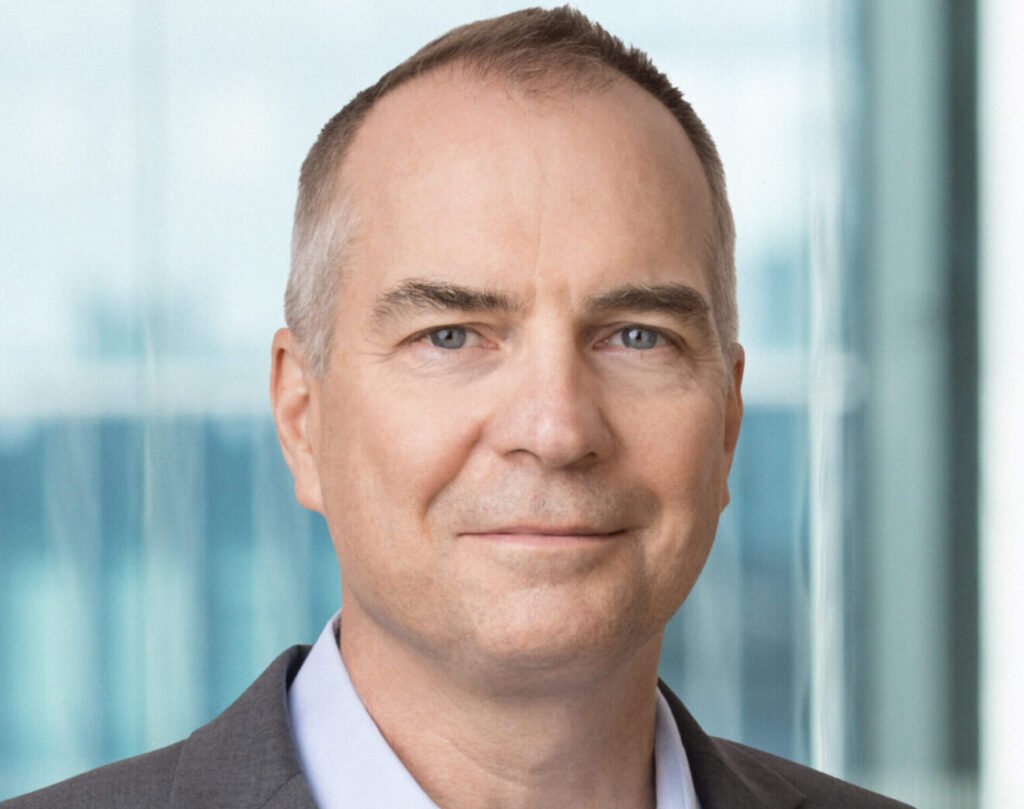
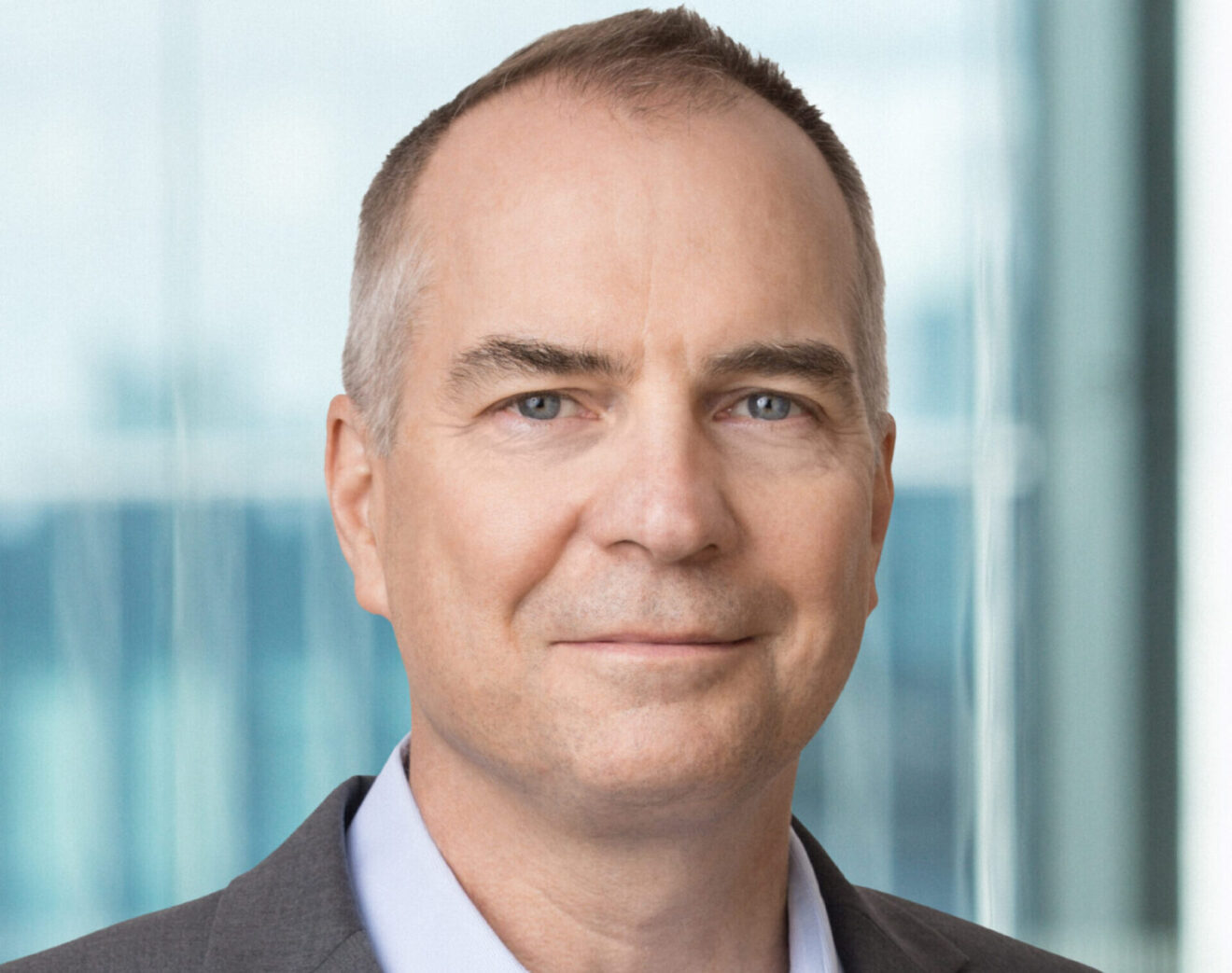
Talk about it in the way you would any other asset class, says Greg Adams, CFO at carbon project developer Chestnut Carbon.
Nature might be relatively new as an asset class, he told AgFunderNews recently, but well-structured nature-based projects actually have similar attributes to traditional projects (oil, gas, mining) from a risk-assessment perspective.
“It’s about focusing on similarities versus differences to existing, more traditional [asset] classes,” he says.
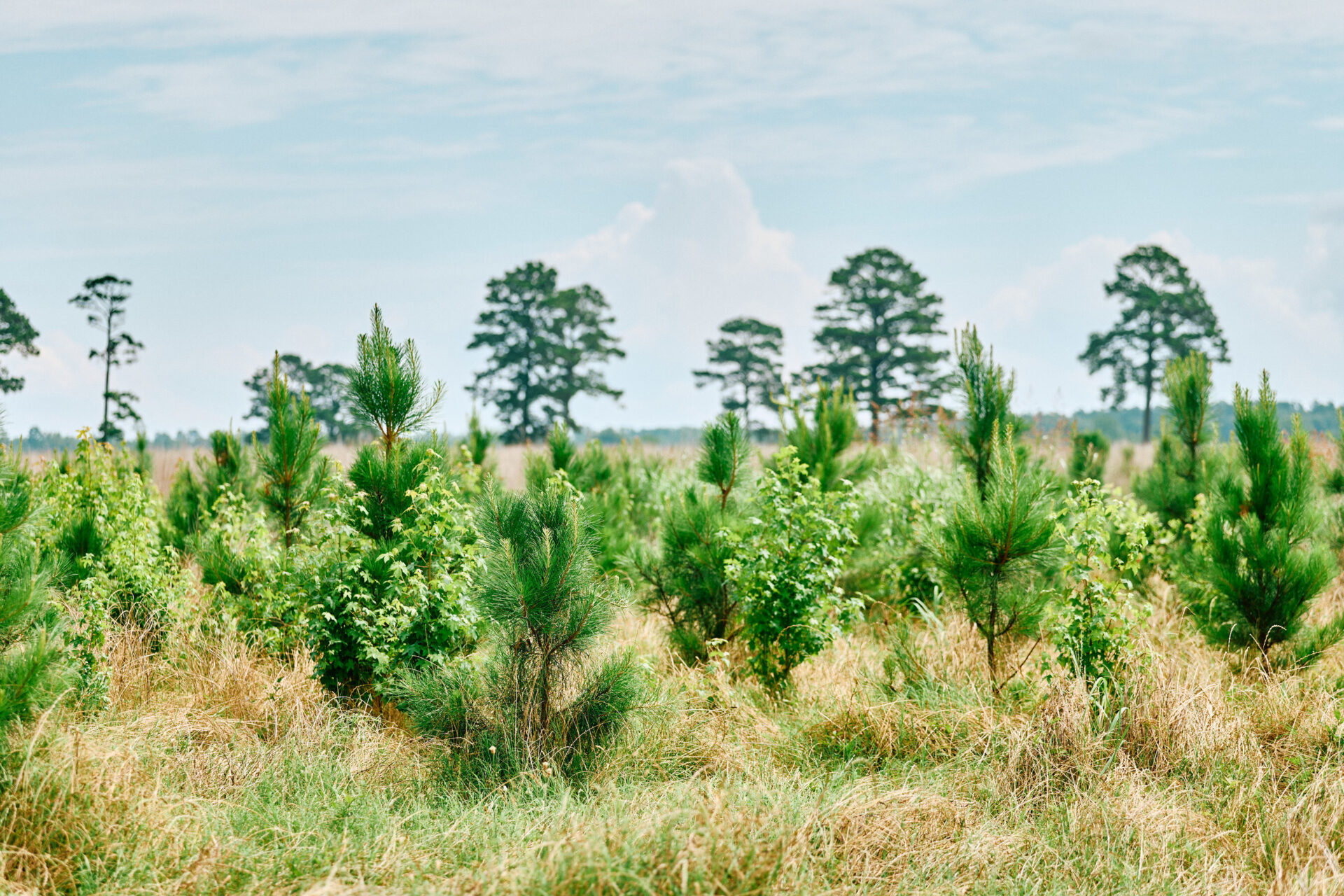
US-based Chestnut Carbon, created by asset manager Kimmeridge in 2022, builds afforestation projects like planting trees and restoring native forests around the Southeast US.
Its business model is straightforward: The company buys land on which it plants trees, then sells carbon credits from those projects to companies wanting to offset emissions. It’s so far struck major offtake deals with Microsoft and the Mercedes-AMG PETRONAS F1 Team, and to date has planted 47 million trees across 70,000 acres.
Most notably, Chestnut Carbon secured a long-term offtake agreement with Microsoft to restore 60,000 acres of US forest over the next 25 years, and landed a $210 million credit facility led by JP Morgan to help finance the initiative.
The company also figured prominently in AgFunder’s 2026 Global AgriFoodTech investment report, accounting for two of the top 5 Series B deals and boosting the size of the Farm Management, Software, and IoT category in 2025. [Disclosure: AgFunder is AgFunderNews’ parent company.]
Adams recently sat down with AgFunderNews to discuss the Microsoft deal, the ins and outs of financing nature-based projects, and how Chestnut Carbon is working to de-risk them in order to scale the industry.
AgFunderNews (AFN): Nature as an asset class is a pretty nascent concept still. How do you talk to banks about this in a way that helps them understand the significance?
Greg Adams (GA): It’s about focusing on similarities versus differences to existing, more traditional [asset] classes.
I think a lot of people say, “Oh my gosh, the whole thing [nature as an asset class] is brand new and you have to approach it like it’s a snowflake. I patently reject that.
I have spent a lot of time in traditional assets—think oil and gas, power, metals, and mining—and have also worked with the banking and with credit officers. I understand what they have to go through and what they think about from a risk lens.
My focus at the outset [of working with Chestnut Carbon] was to find areas where we could pull analogs from traditional markets.
Ultimately, in order to get the banks comfortable, we started with things they already knew versus focusing on things they didn’t know. So in the contract we structured with Microsoft, we really endeavored to put together a framework that looks like a power purchase agreement. We built a contract structure with a great counterparty (Microsoft), we had a duration (a 25-year contract), and volume (7.44 million tons).
Then we could go to the banks and say, “We have a new asset class, but we’ve got this great counterparty and great contract.”
AFN: Chestnut Carbon owns the land used for its projects. How does that benefit projects?
GA: The three contracts we signed with Microsoft and the one we signed with Formula F1 are based on land that we own in the United States.
US land ownership rules are well codified, and so if I’m making a promise to you as my customer about the permanence of these carbon credits, I can say that with credibility, because you know that I own the land right.
We buy marginal pasture land, marginal farmland. The idea is that we buy land that was suitable for the purposes of planting trees, and it’s the highest and best use case. It’s not the best piece of land for rotational crops, for cattle pastures, but it’s perfectly fine for the planting of trees.
Now have 90,000-plus acres across nine states. We’re planning about 75,000 acres of properties across four different planting seasons, and the most recent one finishes up here by the end of the month.
So when the banks look at this and they say, “All right, it’s a new asset class, but there are elements that I understand.” As much as a contract is really important, the land is also helpful from a collateral perspective.
AFN: Does owning the land also help de-risk projects in the sense that it’s collateral in the event of natural disasters?
GA: I would think so. We are in nine states now, all of which are in the Southeast US. We chose [this region] for a number of reasons, one of which is that trees are going to grow quicker there than in the Northeast.
While the wildfire risk in southeast is not zero, it’s materially lower than, say, the Pacific Northwest. The area is also lower risk in general for natural disaster risks than other parts of the country.
In the Southeast versus other parts of the country there is a lot of marginal pasture land across that region. We estimate that serviceable addressable market is roughly 11 million acres, and we’re 90,000 of it. So we’ve barely scratched the surface.
Last but certainly not least is the availability of seedlings that are native to that region to scale.
We’re planting a diverse portfolio of hardwoods and software trees on our properties, depending on our assessment of that land, what the salinity and soil type looks like, and what’s going to be best growing there, but it’s also going to create a native, healthy forest.
From the megaton contract we signed last year, we’ll have 120, 130 different parcels to support that project with Microsoft to make sure we have diversity across the United States.
From a lender’s perspective, if I have 130, 140 parcels across nine states, these are not contiguous parcels. That’s not a real risk [in the event of natural disaster]
Irrespective of having a loan, we want to make sure we have the proper risk diversification. We inherently lose economy of scale on purpose when it comes to planting, but the net effect, which we think greatly outweighs that loss, is being able to sleep at night having this diverse portfolio.
AFN: Talk a bit more about the credit facility loan with JP Morgan. Why pick that option for financing?
GA: It was $210 million credit facility with JP Morgan and Bank of Montreal, East West Bank, and subsequently SOC Gen and Standard Chartered Bank, and a few others. JP Morgan was our lead advisor.
It’s similar to if I had a power plant and I signed a contract with your utility: you’re just buying the electrons. I would go to the bank and say, “I’ve got a power plant I’m building, I have a contract to help me finance the development of the construction of that facility.”
In this case, I’m building a forest and selling carbon credits to Microsoft.
We have a 25-year contract with Microsoft, but the banks are giving us a seven-year construction facility. In this case, construction is buying land, planting trees, and the trees growing.
From a risk perspective, the banks are taking the collateral we give them, which includes the contract and the land, but it’s non-recourse. The lenders have lien over that box, but nothing else.
Microsoft is the off taker of that contract, which again, gives the banks comfort, because Microsoft is Microsoft.
AFN: Why opt for this versus more VC money?
GA: Bringing in project finance is going to mean a material low cost of capital. Period.
I think part of the challenge in this space, and the reason this market remains nascent and the scale has been challenging, is because there is a finite pool of equity capital.
When you buy a house, you probably don’t just pay for it with equity; you get a mortgage because it’s cheaper than your equity. Same thing here, you’re using various forms of lower-cost capital.
We think this is critical not just for Chestnut Carbon and our ability to grow and scale, but the market writ large. This is a space that was heretofore unbankable.
We welcome that project finance because it is material, lower cost of capital, and enables us to scale and grow. It also, frankly, gives the equity investors confidence that they’re not the only dollar, they’ve got other people alongside them. That helps improve their returns as well.
AFN: Does a deal like this set the example for the industry in terms of how others can go about getting similar projects financed?
GA: If this was a one-and-done deal, that would be really, really unfortunate.
In order to really scale this space, being able to access lower cost of capital like bank debt is essential. We have hopefully laid out a blueprint for project finance here.
But it’s not like you can take a project in the Southeast US and [replicate it] in Southeast Asia. There will be differences along the way.
But we’re the first ones that went forward with it. People are very encouraged by that, and I try to give people guidance along the way, where lessons learned, and to the extent we can, you know, our our model can be seen as a blueprint.
The post How Chestnut Carbon built a blueprint for financing carbon-capture projects appeared first on AgFunderNews.