January 30, 2026
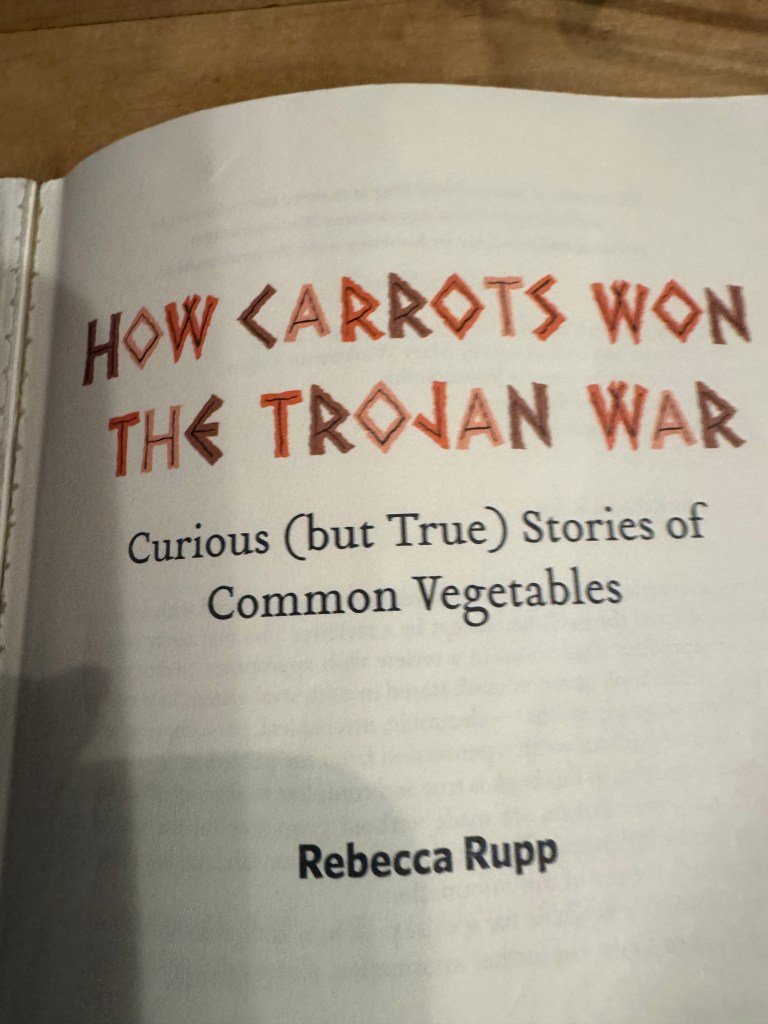
The sub title is Curious, but True-Stories of Common Vegetables
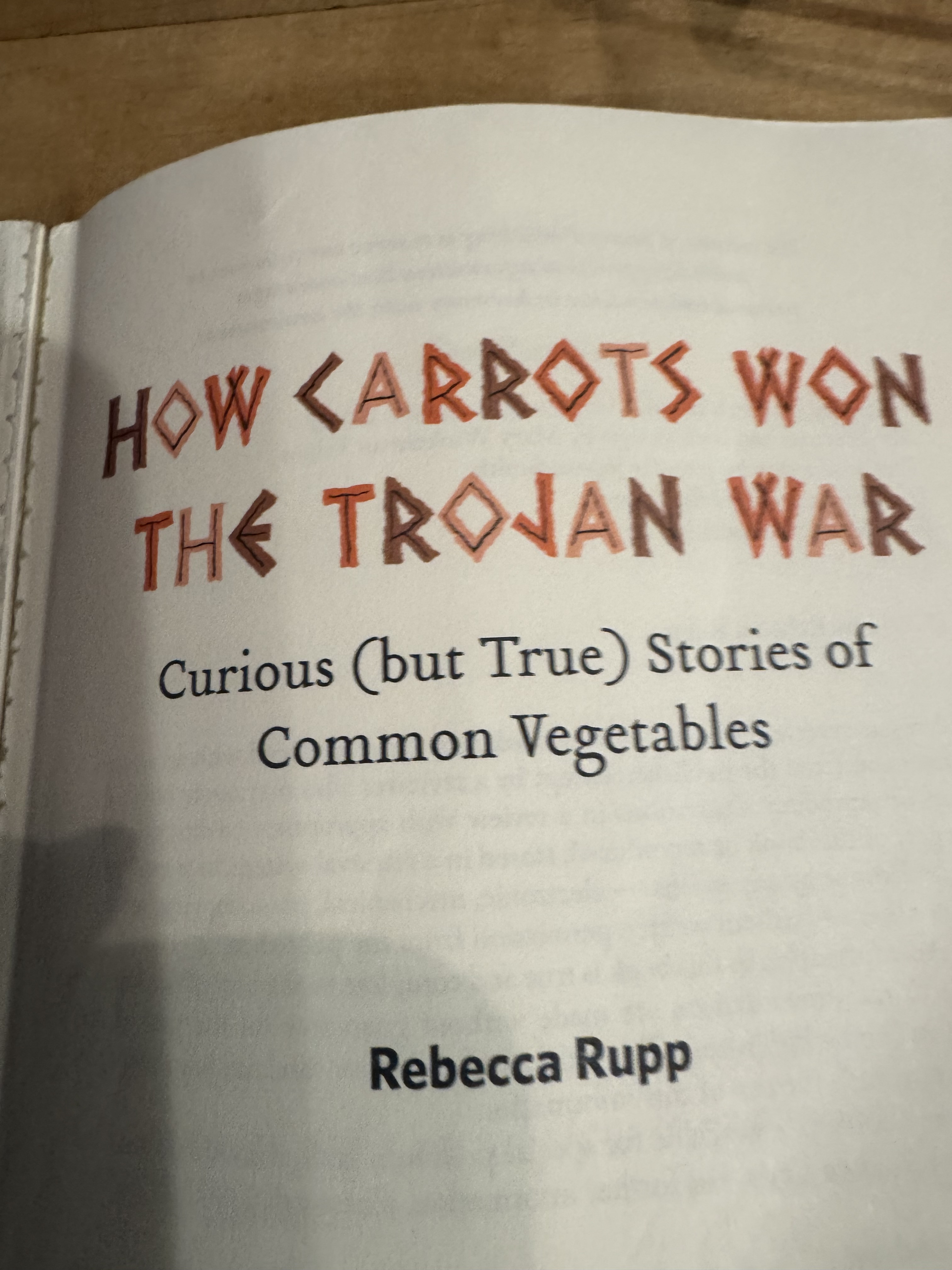
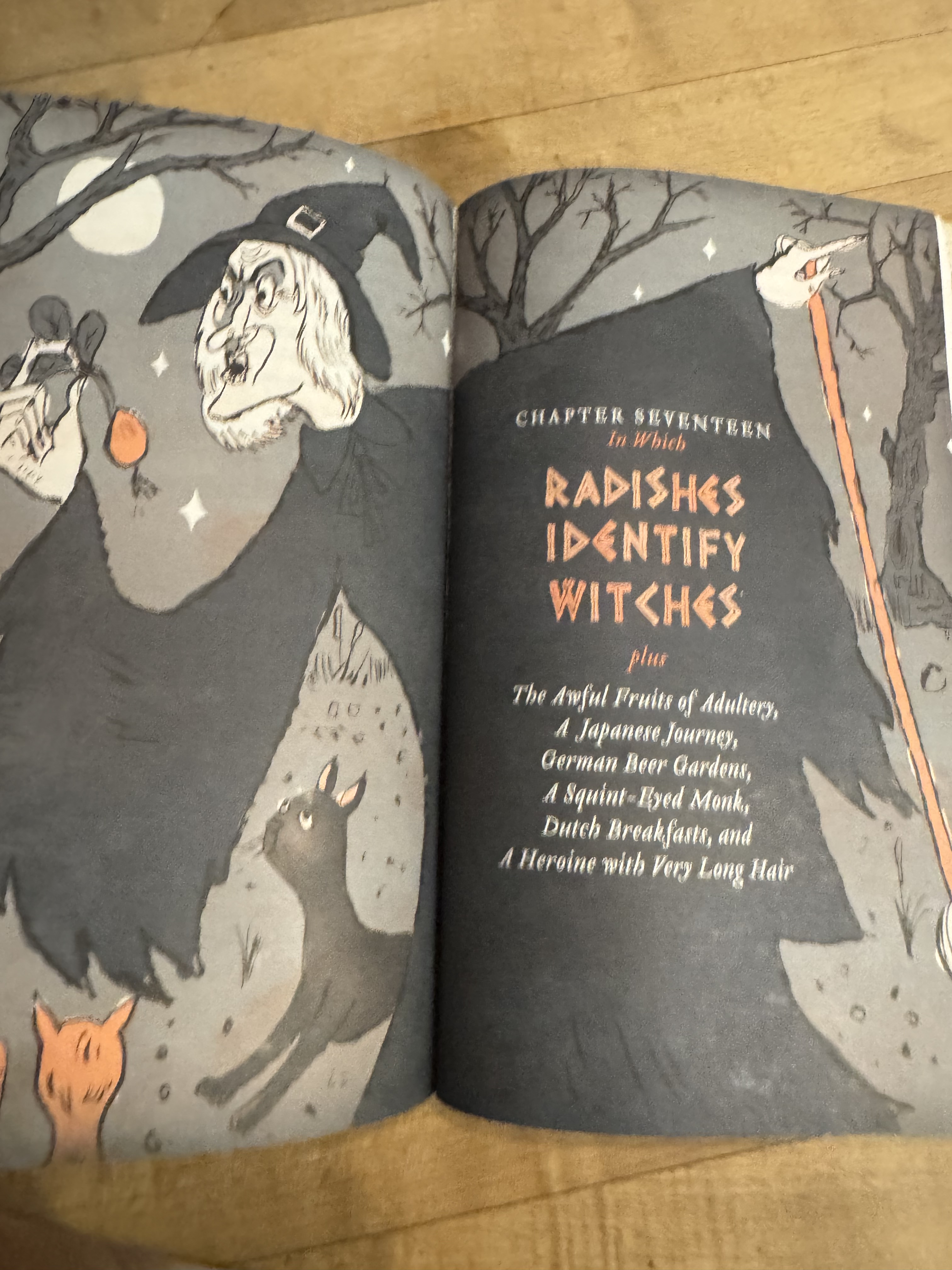
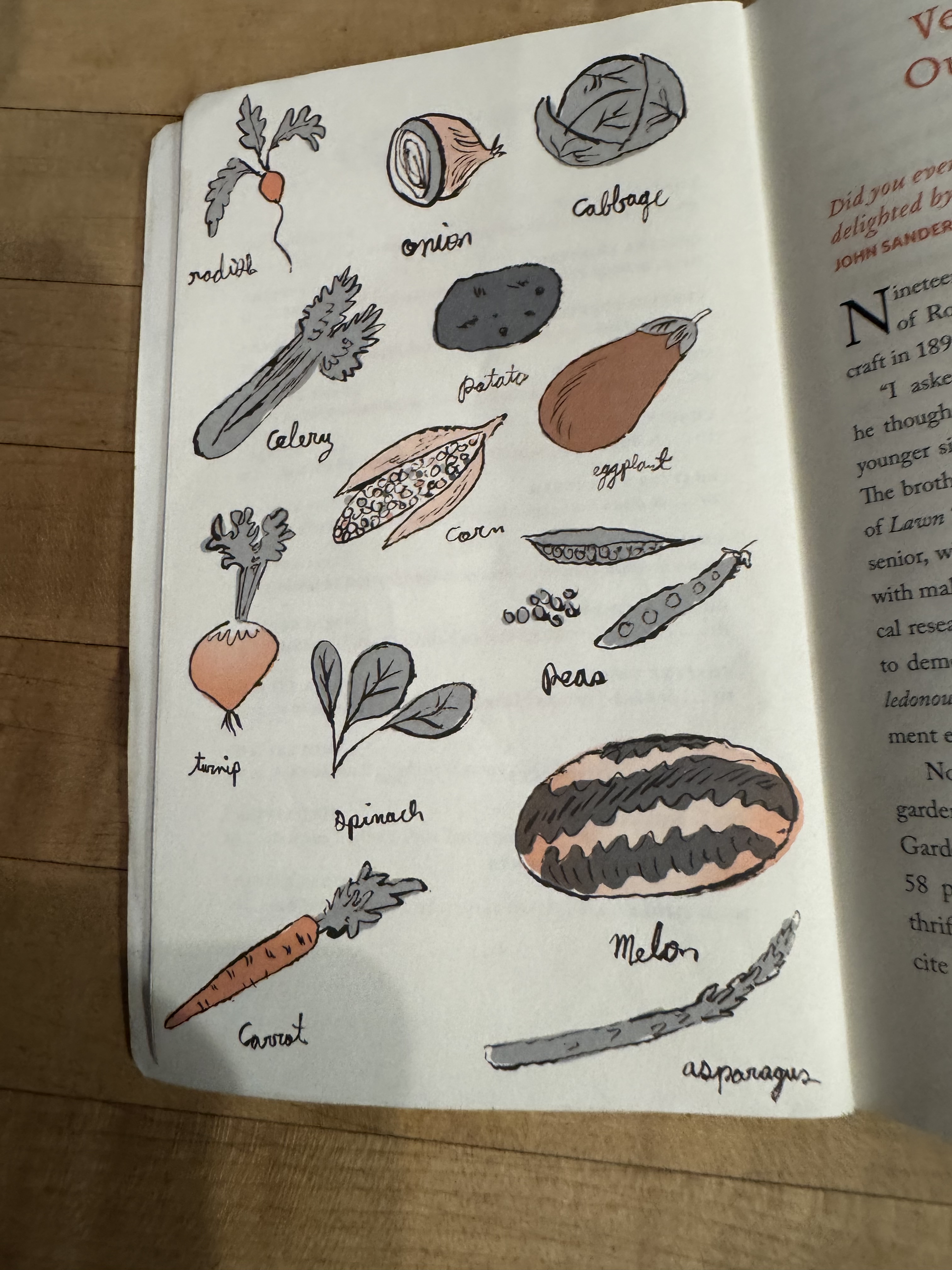
It’s not terribly long but its divided into 21 chapters each covering one vegetable that everyone will be familiar with. Honestly its hard to beat for a garden person’s reading list.
How often can you combine some basic botany facts–most of us could use a little review–right?–with amazing historical information on vegetables. This is serious research but presented in such an interesting way. Each chapter stands alone so you can read a little at a time –no need to feel you will forget the plot–since there isn’t one of course!
No way to cover the whole book really there is something new and interesting on every page. But a tiny sample to give you the idea.
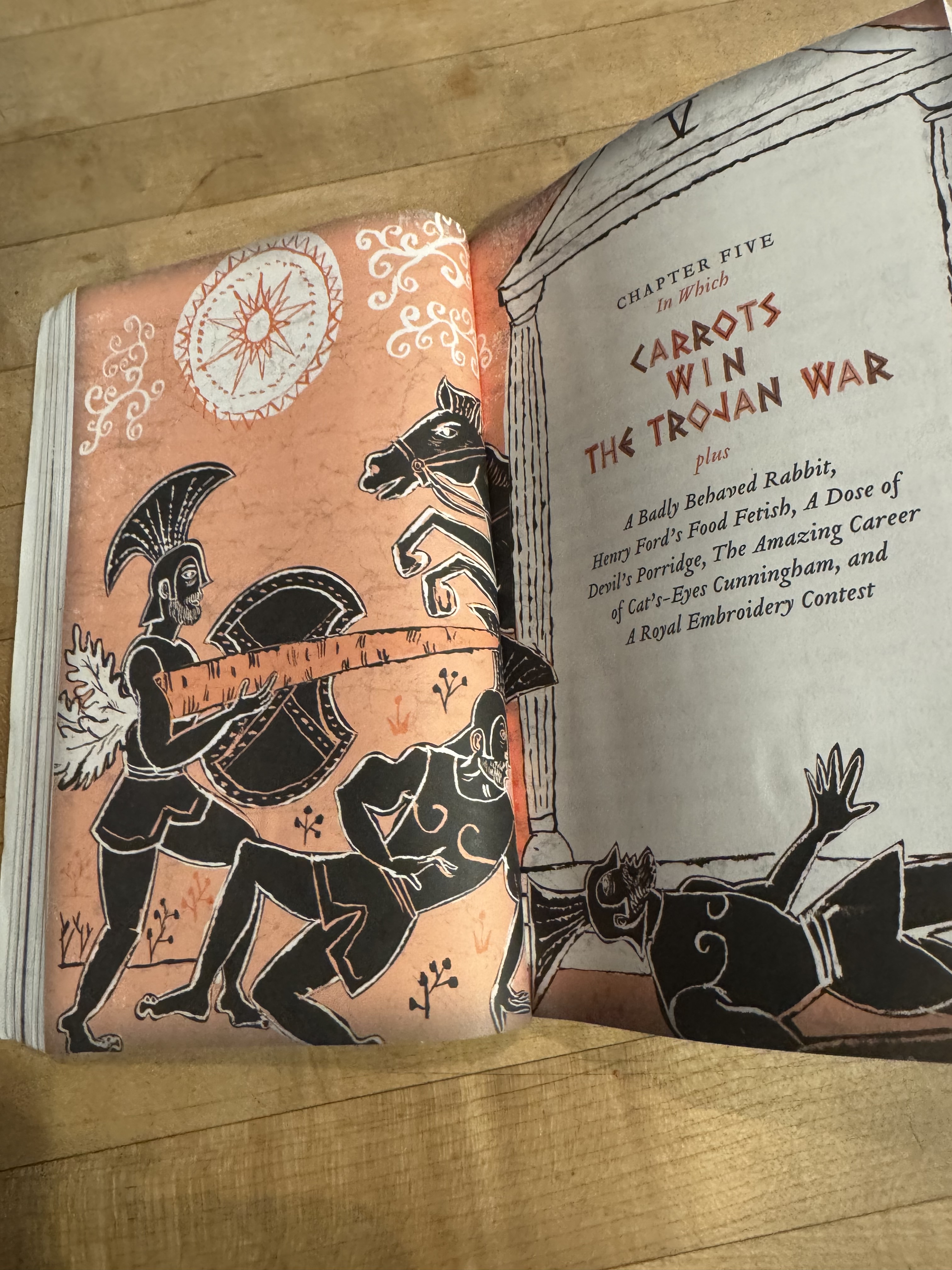
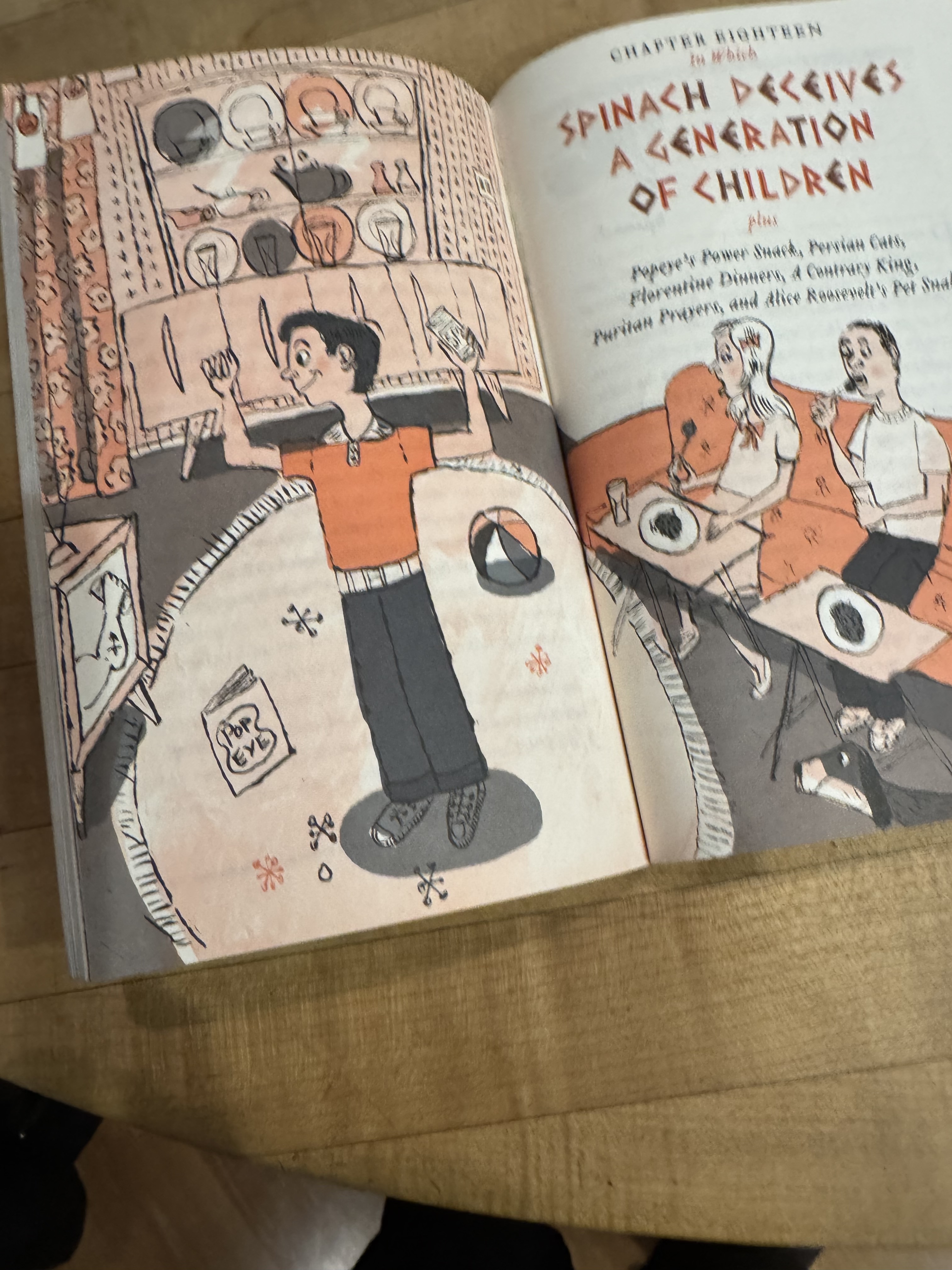
We can start with carrots–how many kids have been told to eat their carrots so they can see in the dark? Where did that come from? Well during the Battle of Britian radar was just installed in England a fact that the war department would rat, carrots are not able to give anyone amazing night vision but they are for sure good for you and no harm done! By the way raw carrots only release a tiny amount of beta carotene cooking allows them to release far more–in fact lots of vegetables are more nutritious cooked –should have known this I guess.
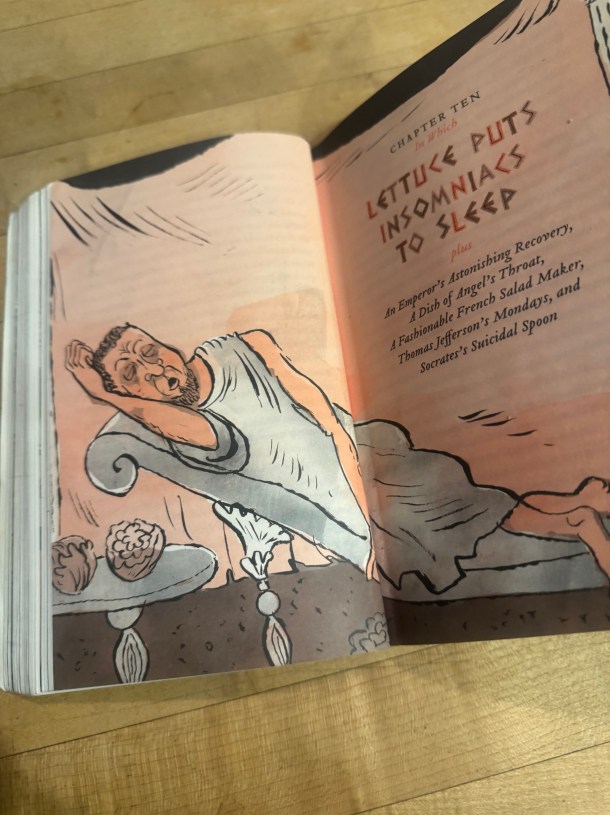
On to lettuce. Do you have trouble sleeping now and again? Lettuce to the rescue. Lettuce has been prescribed for sleep problems since ancient times. It turns out there is some truth to this. The white sap released from lettuce leaves was dried and used in sleeping potions in Medieval times. An extract made from wild lettuce leaves was used in hospitals through the second world war.
Now we must completely rethink radishes. No one takes them seriously enough it seems. There is lots to learn about the little radish. In the 9th century they were considered a powerful treatment for coughs. Before that Romans used them to punish those found guilty of adultery–how? Well that you must find out for yourselves!
Book reviews can’t go on too long–its hard to stop because there is so much covered in How Carrots Won the Trojan war. You will be amazed as you read each of the 21 chapters–vegetables are clearly amazing and how we come to have them is something rarely discussed–and it should be–we benefit from so much work and knowledge gained over in some cases thousands of years.
So–why read this book? You will learn alot–and it won’t be hard either. It’s an enjoyable–even fun experience.
But wait–there is more!
We want others to grow their own food–which means of course growing vegetables. So we are involved with formal and informal education.
A few fun facts can bring any interaction to life–throw in a few things you don’t hear everyday. Your audience will wake up enjoy and remember what you said. You need look no further –you will find all you need in this little book.
Susan Thornbury, Dallas County Master Gardener Class of 2008