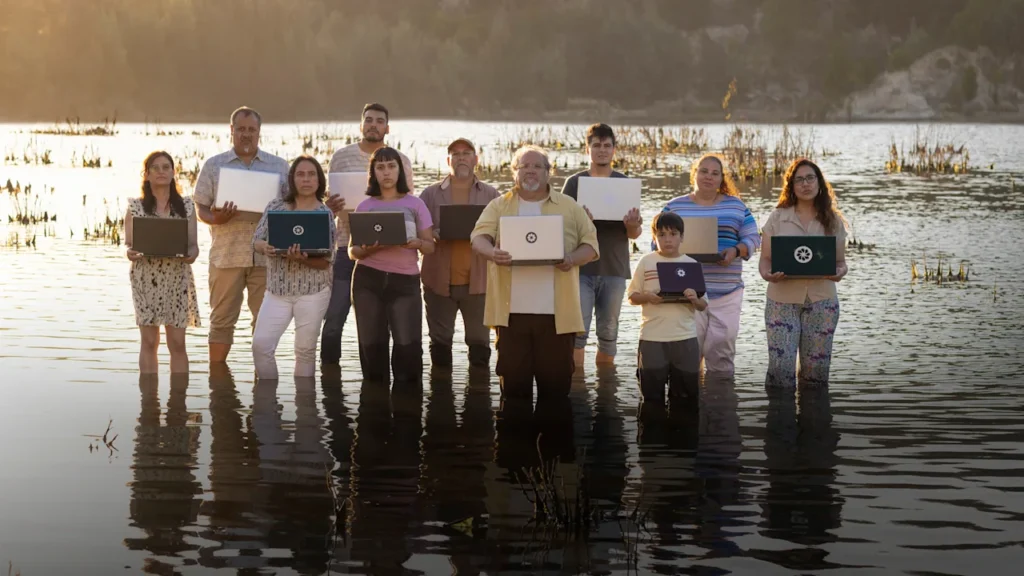
If you enter a query into Quili.AI on January 31, your question won’t be answered by a large language model, but instead by residents from the Chilean community of Quilicura.
The project aims to replace artificial intelligence with “analog intelligence,” to both highlight the environmental impact of AI, and to get people thinking consciously about their AI use.
“We’re inviting people to have a day without AI,” Lorena Antiman from Corporación NGEN, an environmental organization focused in part on protecting Quilicura’s wetlands, says while speaking through a translator. Corporación NGEN spearheaded the project.
Instead of going through a data center, each prompt into the “chatbot” will be answered directly by Quilicura residents. Artists, teachers, and others in the community will all meet in one place on Saturday, ready to respond to the queries.
Quilicura and data centers
The people of Quilicura, Chile are directly living with the impact of AI data centers. The community is located on the edge of Santiago, which is becoming a data center hub: 16 such facilities have been approved for construction there since 2012.
Data centers both use immense amounts of energy, and lots of water to cool the servers. Understanding AI water use can be complicated, but some experts have tried to quantify it. A 2024 Washington Post article says that generating a 100 word email with GPT-4 requires 519 milliliters of water, or just over a bottle.
Google opened its first Latin American data center in Quilicura in 2015. That facility uses 50 liters of water a second—or the same as 8,000 Chilean households—the New York Times reported in 2025, based on environmental records filed with the government. (Google says the sites used less water the year prior, about the same water use as a golf course.)
This data center boom from tech companies is happening as Chile experiences a 15-year megadrought. The country is expected to lead the world in terms of water stress by 2040.
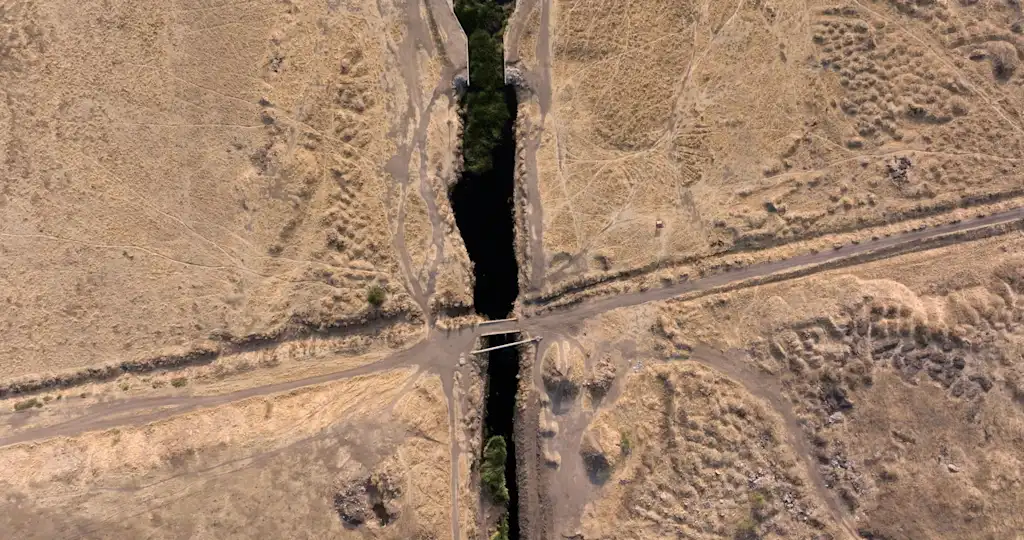
Community activists in Quilicura have highlighted the impact of these data centers by showing before and after photos of the region’s wetlands, appearing dry even during the rainy season.
How Quili.AI works
Up to 50 community members will be participating in the day without AI, ready to respond to Quili.AI prompts over the 24 hours of January 31 only.
Each of them will bring their unique skills to the task. Prompt Quili.Ai to make a certain image, and a local artist will draw it. Ask Quili.AI for a recipe, and someone will share their own.
“Or need something explained to you like you’re 5?” a community member says in a video promoting the action. “Ask Mateo. He’s 5.”
Instead of servers and cloud computing, community members will use their own experiences, their cultural knowledge, and their human judgment. Responses may not be immediate, but Antiman says they’ll do their best to reply to as many queries as they can.
And though the humans powering this “analog intelligence” are local to Quilicara, the organizers say anyone can use the tool.
Instilling better AI habits
Antiman hopes the action helps people think more responsibly about what they turn to AI for, and if their prompts are worth the resources they require. Just like we’re taught to turn off lights when we leave a room, or to not run water while we brush their teeth, she hopes people can learn better AI habits.
Many people may simply not be aware of the impacts of using AI. Antiman is a teacher, and she says her students are surprised when she highlights those effects.
“They don’t know the consequences of the way they’re using AI,” she says.
The day without AI is also an invitation, she adds, for people to look to their own neighbors or communities for knowledge. Maybe your neighbor knows how to change a tire, or another already has a recipe for cupcakes, so you don’t need to ask ChatGPT.
This connection between real people is what makes the Quili.AI project so exciting to Antiman.
“The most magical thing about it is the community is the one working on it,” she says. “They’re all coming together to make this happen.”