A recall has been issued for Honda’s advanced CR-V e:FCEV, America’s first production plug-in hydrogen fuel cell electric vehicle. Although it looks a lot like a normal CR-V, the e:FCEV is anything but under the skin, but the advanced powertrain has hit a snag. An internal short circuit could potentially lead to a loss of drive power, increasing the risk of a crash or injury. This issue is linked to the e:FCEV’s fuel cell stack coolant, which could leak into the fuel cell stack case.
Related: Honda’s Pikes Peak Debut Hints at Hydrogen’s Future in U.S. Defense Strategy
Two Possible Causes
2025 Honda CR-V e:FCEV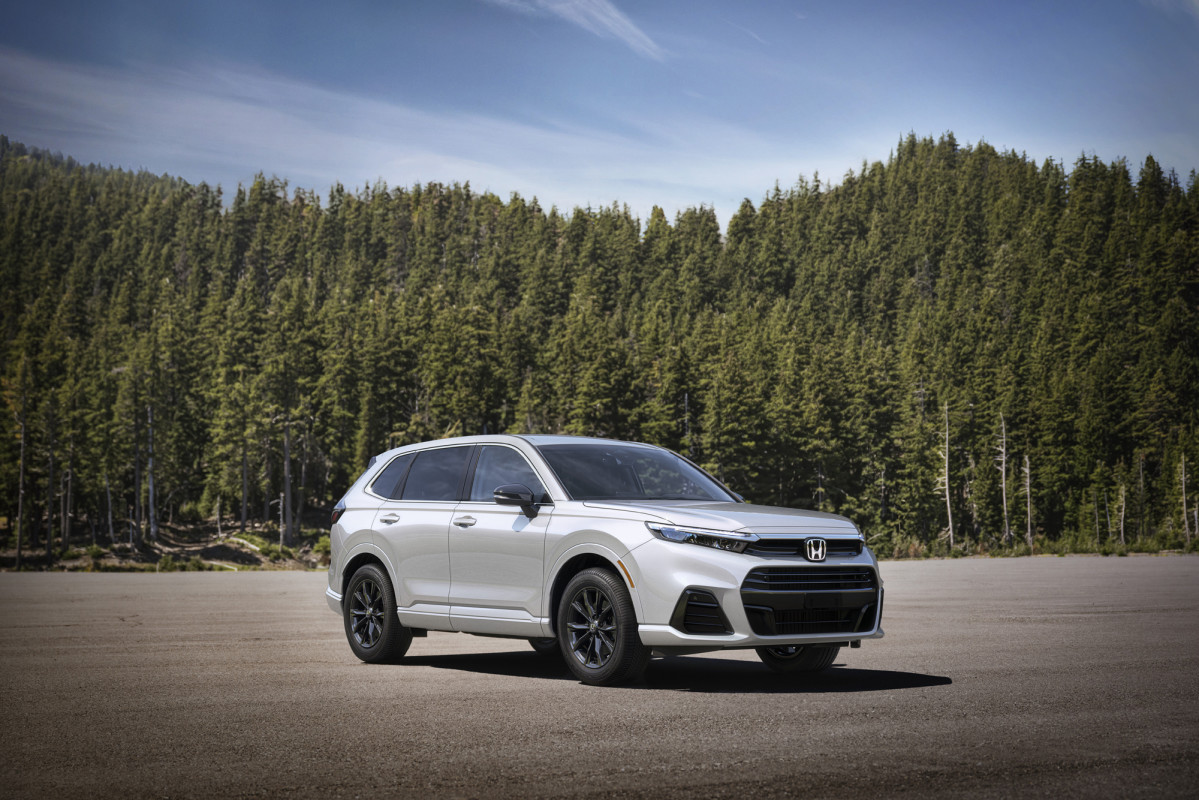
According to documentation published by the NHTSA, the fuel cell stack coolant leak has two possible causes. One relates to the adhesive sealant used, which could reduce the sealing performance of the fuel cell stack assembly end joint. The other suggests the “supplier failed to establish a deburring process for the O-ring groove of the wobble joint, resulting in burrs which reduced sealing performance.”
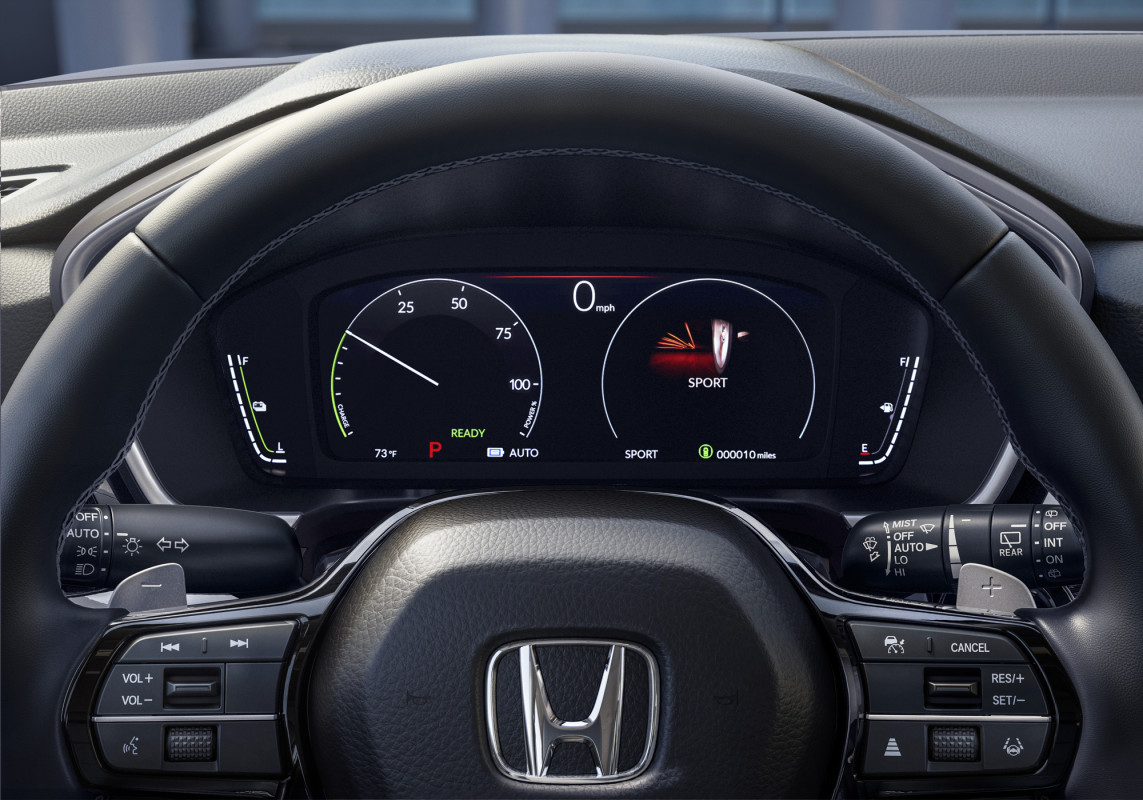
CR-V e:FCEV owners may notice multiple warnings in the instrument cluster if this issue appears:
- Power System warning
- A warning that FC insulating fluid is low
- Power may be reduced
- “Do not drive” or “stop driving when safe” warnings
Traditional plug-in hybrids with gas engines have historically been less reliable than both gas cars and conventional hybrids. Although the Honda CR-V e:FCEV has no gas engine, it’s still a complex powertrain that can run on both hydrogen and electric power, so is susceptible to unusual reliability issues like this one.
As part of the fix, affected vehicles will have their fuel cell stack assemblies replaced.
Related: Hydrogen Isn’t Dead – But It Isn’t Thriving, Either
60% of 2025 Models Affected
The NHTSA states that 60% of 2025 models are impacted by the recall. Fortunately, this is by far the least common Honda SUV on the road, so only 388 units are affected.
The CR-V e:FCEV’s rarity is mostly down to the fact that it’s only available in California, where the necessary hydrogen refueling infrastructure is available. When launched, Honda said it was only targeting annual sales of 2,000 units per year, a fraction of the 368,618 CR-Vs sold by the brand in the first 11 months of 2025.
Reliability issues aside, the CR-V e:FCEV offers a unique combination of emission-free driving and quick fillups, due to the fact that topping up with hydrogen takes far less time than recharging at a charging point. It has a 270-mile range, while the fully charged battery can support 29 miles of EV driving. With just 174 horsepower, it’s not that quick, but the driving experience is otherwise on par with a normal CR-V.
Final Thoughts
While we respect Honda’s decision to explore the benefits of hydrogen power, this recall does highlight the added complexity of engineering the e:FCEV’s unusual powertrain—and plug-in vehicles in general. One of the only other hydrogen-powered vehicles on the market, the Hyundai Nexo, was recalled last year for a potential hydrogen gas leak that could cause a fire.
Of course, this Honda recall could be a one-off and may not be indicative of further reliability issues at all, but it’s worth keeping an eye on this CR-V as owners pile on the miles in the months and years ahead.