Honda Motor Company said its profit for the nine months through December dropped 42% compared to a year earlier, mainly because of U.S. tariffs and a changing EV market.
Honda posted a 465.4 bilion yen ($3 billion) profit over the three quarters, down from 805.2 billion yen ($5.2 billion) as sales dropped 2.2% to 15.98 trillion yen ($102.6 billion) from the previous year, AP News reports. The Japanese carmaker maintained its full fiscal year profit target forecast at 300 billion yen ($1.9 billion).
That marked the second consecutive year that profit declined at Honda during the April through December period, although the profit drop was much smaller in the same period last year at 7.4%.
Effectively, this means that Honda’s car making unit is now in the red, having posted an operating loss of 166.4 billion yen ($1.07 billion) over the three quarters, down from an operating profit of 402,617 billion yen ($2.6 billion) a year earlier.
EV Slowdown Cost Honda $1.7 Billion From April Through December 2025
Kristen Brown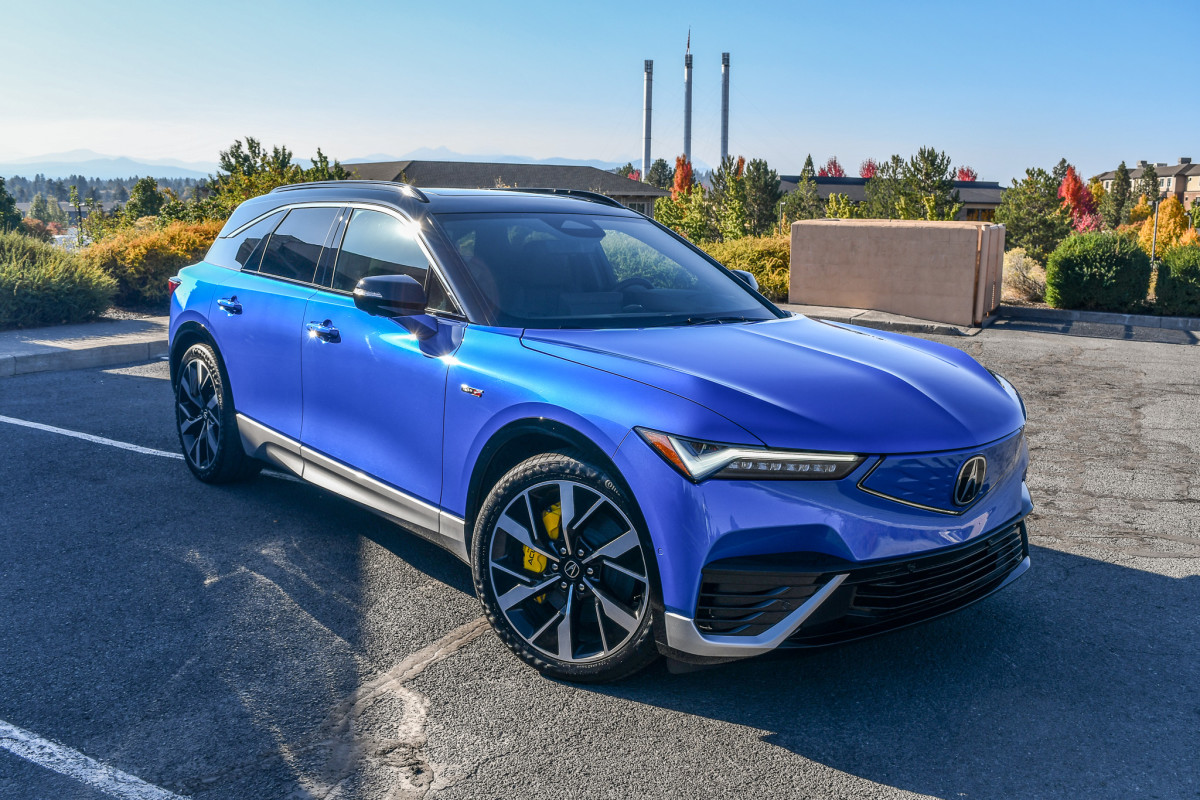
Honda attributed its automobile business’ operating loss to one-off costs related to its EV operations, including asset write-downs, as well as the impact of U.S. tariffs.
The automaker said the slowdown in electric vehicle sales in the U.S. was one major negative factor. As a result, the company lowered its EV sales projections, estimating that EVs will make up 20% of its global sales by 2030, compared to a previous target of 30%. The automaker has also canceled development of some EV models.
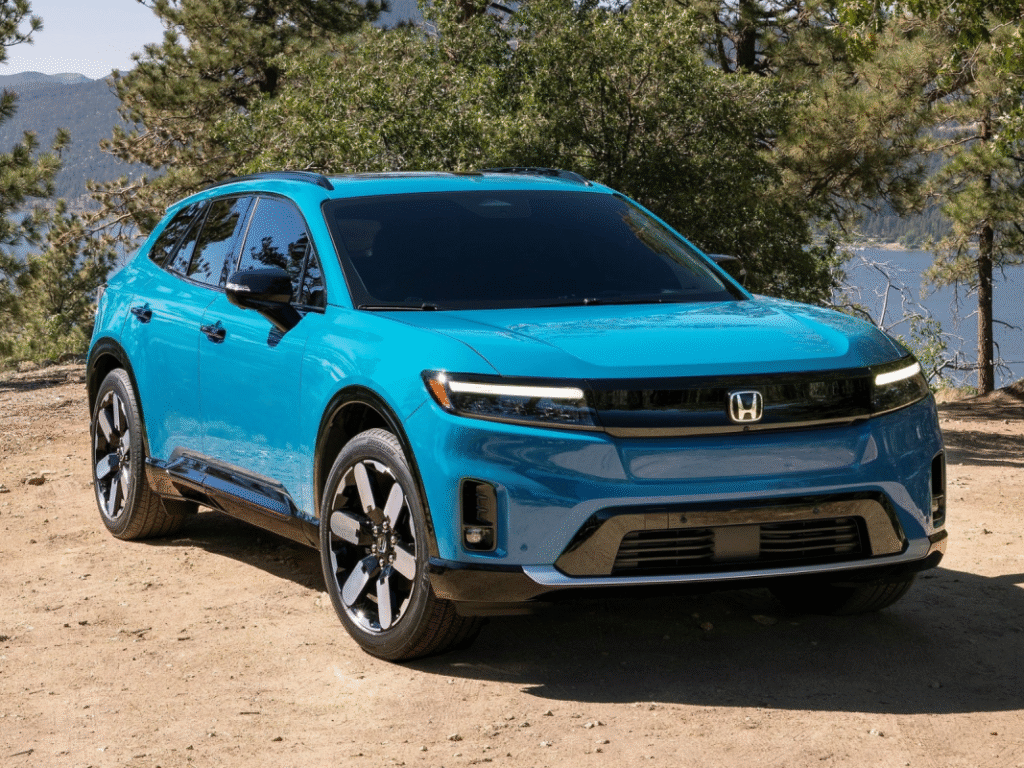
Even though the Japanese automaker is far from an EV powerhouse–it sells only two EVs in the U.S., the GM-developed Honda Prologue and Acura ZDX–Honda still had to book about $1.7 billion in one-time EV-related provisioning and impairments for the nine months ending in December.
U.S. Tariffs And Rollback Of EV Programs Were Big Negative Factors
Cole Attisha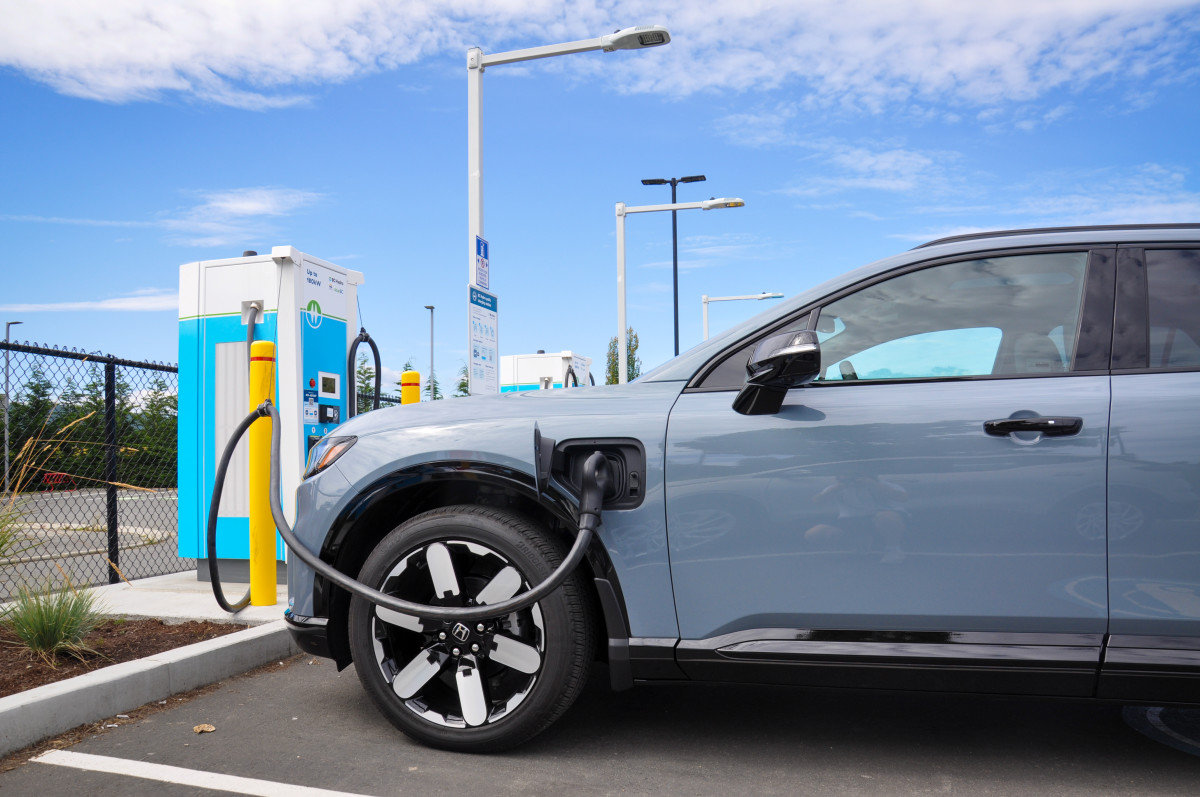
Another big negative factor for Honda was the fact that the White House last year imposed tariffs of 15% on Japanese-made automobiles and auto parts.
Initially, U.S. President Donald Trump imposed a 25% tariff, but agreed to lower it to 15% after Japan promised to invest $550 billion in U.S. projects. The Japanese economy, which relies heavily on exports, is very vulnerable to tariffs from the U.S., it biggest auto export market.
Tariffs aside, the Trump administration has canceled prior programs that encouraged environmentally cleaner cars and trucks like EVs, such as ending the EV federal tax credit after Q3 2025 and rolling back stringent fuel economy requirements that pushed automakers toward electric vehicles.
Honda joins other global automakers that have overestimated EV demand and have taken massive financial burdens because of that, such as Stellantis (a $26.2 billion write-down during the second half of 2025), Ford ($19.5 billion), GM ($7.6 billion), and Volkswagen Group ($6 billion).