
Honda’s troubles with its 3.5-liter V6 engine keep getting worse. In August last year, the National Highway Traffic Safety Administration (NHTSA) launched an investigation into 1.4 million vehicles following reports of prematurely failing engines. Prior to this, in 2023, Honda issued a recall for certain models with this V6. But many Honda and Acura owners remain unhappy, and the situation has now escalated into a class action lawsuit. Considering the sheer number of cars involved, Honda is far from resolving the problem.
What’s Wrong With The V6?
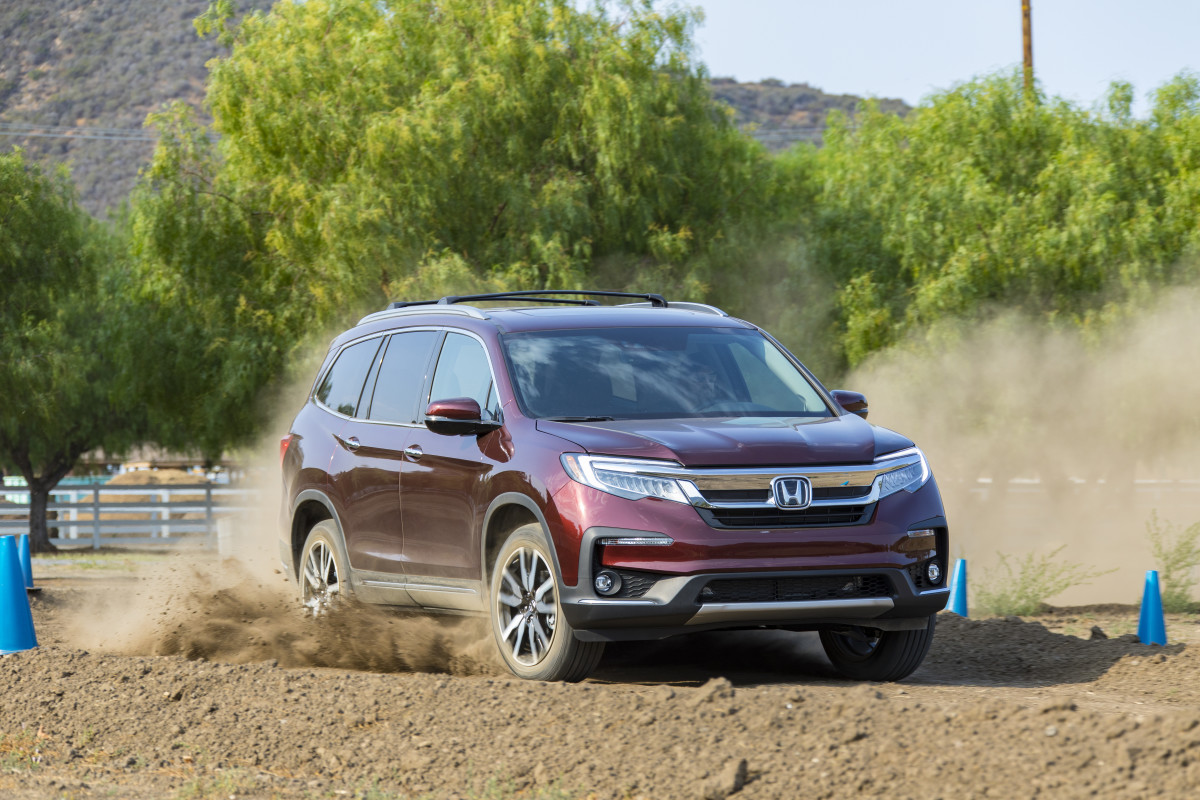
Despite being a relatively simple engine—the V6 has no form of forced induction of electrification—it has been a huge headache for many Honda/Acura owners. In the class action, plaintiffs note issues like unusual engine noise, misfires, power issues, stalled engines, and hesitation when accelerating.
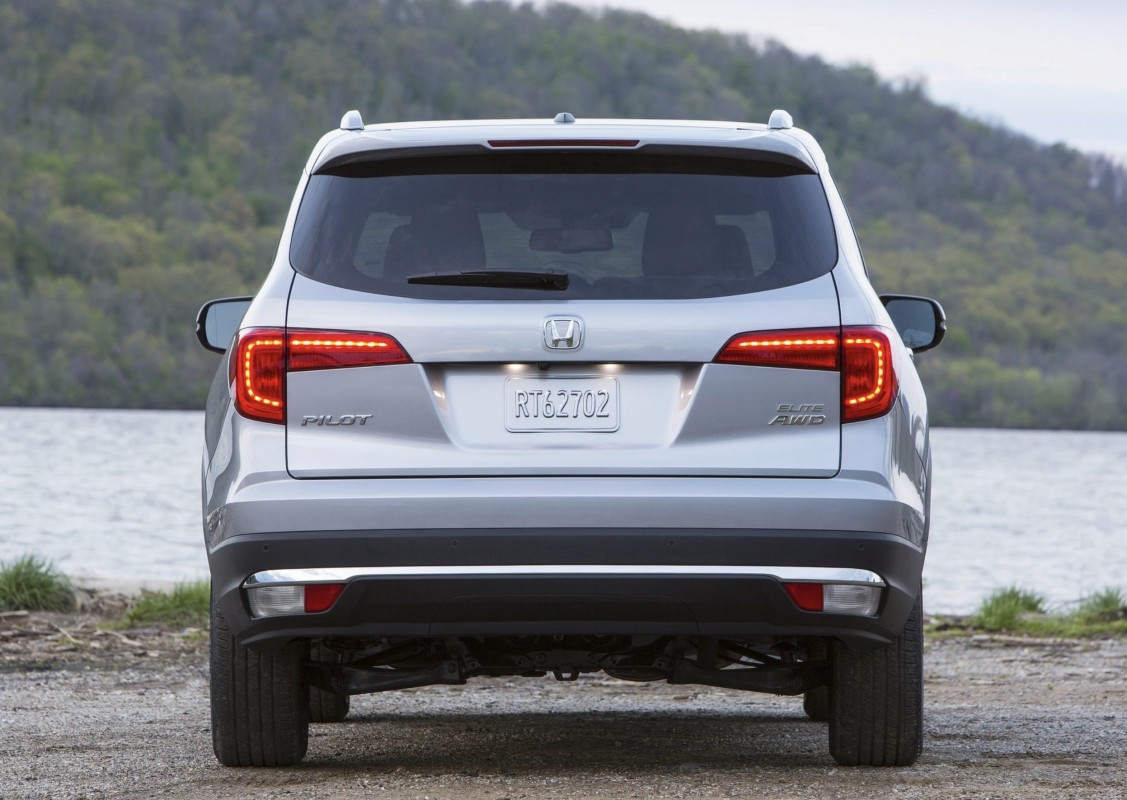
Premature damage to the connecting rods, pistons, bearings, and crankshaft occurs, leading to total engine failure in some cases. The plaintiff in the lawsuit, Savannah Messenger from Ohio, claims her Honda Pilot’s engine failed at just 76,420 miles. Since it’s a 2016 Pilot out of warranty, she was quoted $11,874 to replace the engine. A request to Honda to replace the engine was denied, so she went the rebuilt engine route, which cost her $2,400.
Honda
In the 2023 recall for over 200,000 vehicles, Honda acknowledged that an issue during production of the crankshaft was identified, with a crank pin that was improperly ground. According to the lawsuit, though, the recall “failed to address the underlying Defect present in all Class Vehicles.” Furthermore, the plaintiff claims that not all affected vehicles were included in the 2023 recall.
In the lawsuit, the following models are named as impacted:
- 2014-2020 Acura RLX
- 2015-2020 Acura TLX
- 2016-2020 and 2022-present Acura MDX
- 2016-2022 Honda Pilot
- 2018-present Honda Odyssey
- 2019-2025 Honda Passport
- 2017-present Honda Ridgeline
Given that the 2014 Acura RLX was mentioned, the V6’s problems go back over a decade.
Some Engines Failed At Even Lower Miles
Hon
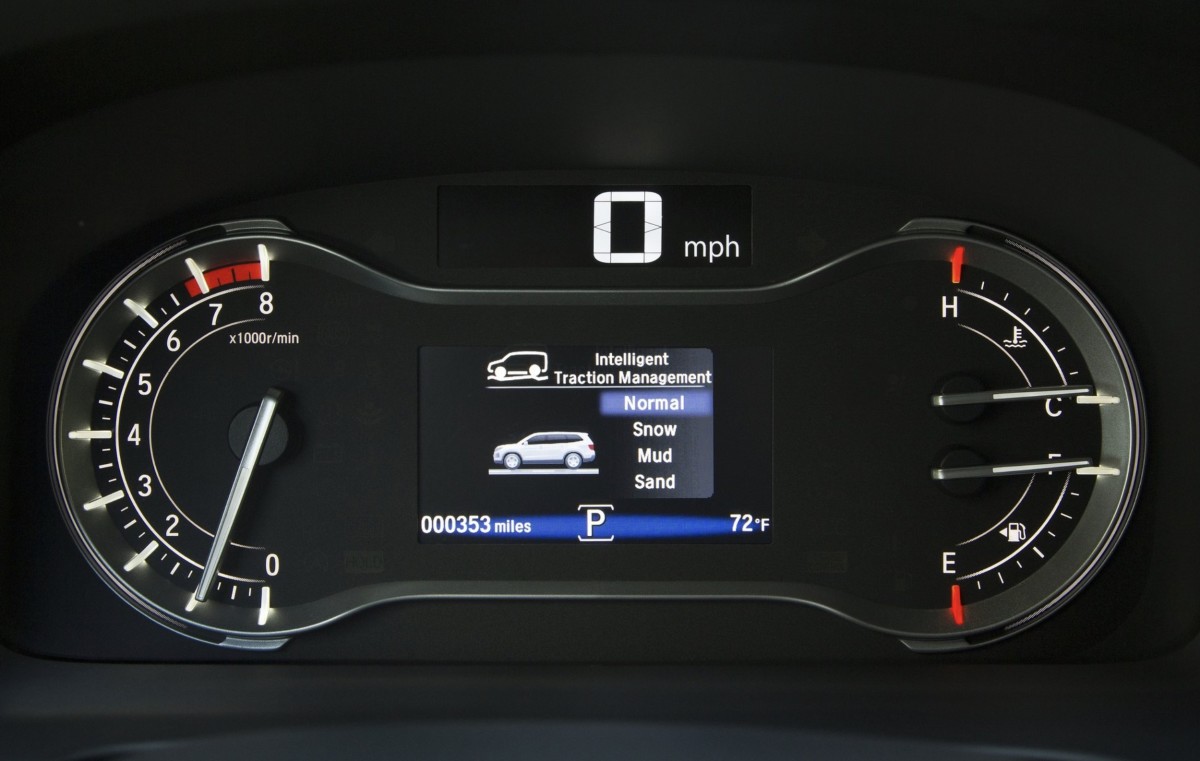
While the plaintiff’s engine failed at under 77,000 miles, other drivers have had it even worse. One owner of a 2017 Pilot had her V6 engine fail at just 56,000 miles, and she was quoted nearly $25,000 for an engine replacement. We found another case on Car Complaints where a 2019 Pilot’s engine had to be replaced at just 38,000 miles due to rod bearing failure. On the NHTSA, a worrying number of owners experience rough idling, one of the symptoms often preceding engine failure.
Honda’s powertrain warranty runs for five years or 60,000 miles, whichever comes first, so many owners have been left to fend for themselves as their warranties had expired by the time the engine failed.
Honda and Toyota V6s Undermine Expected Japanese Reliability Standards
2025 Toyota Tundra 1794 Edition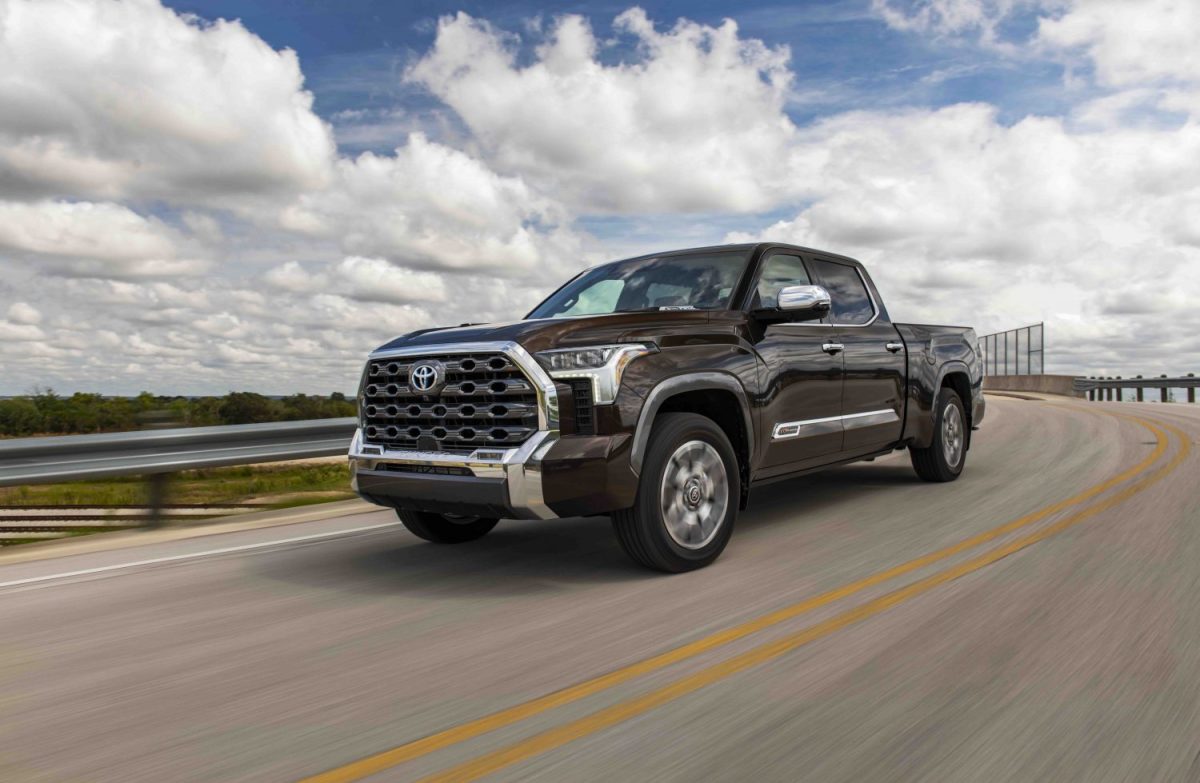
Honda isn’t the only Japanese brand facing serious engine issues. Toyota has had to recall thousands of vehicles equipped with its twin-turbocharged V6 engine, including the popular Tundra pickup and Lexus GX/LX SUVs. In that instance, many owners experienced rough running and engine knocking, which Toyota says is caused by machining debris left in the engine during production.
As with Honda, a class action lawsuit was filed against Toyota, with the plaintiffs claiming an initial recall was insufficient.
For two brands so closely associated with dependability, the V6 engine issues are a shame, but Honda is in a more precarious position; its V6 problem affects far more vehicles over a much longer period of time.


