Keeping The Tradition Alive
Every automotive manufacturer aims for true brand loyalty: a repeat customer, and even better, the whole family across generations staying with one brand. That type of legacy buyer is tough to have nowadays, with an ever-growing list of new car brands and a widening variety of preferences.
Which is why when stories come along of true loyalists, we can’t help but be in awe. Just like a family from Canada who’ve spent most of their lives as Ford people.
Ford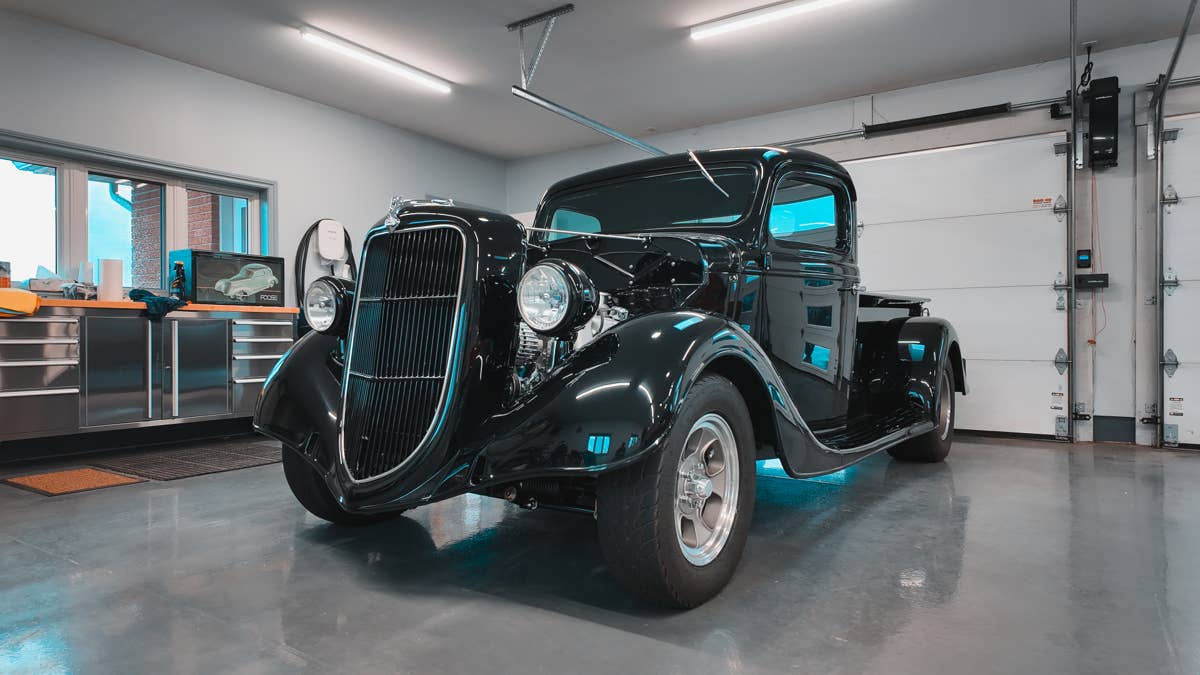
Historical Significance
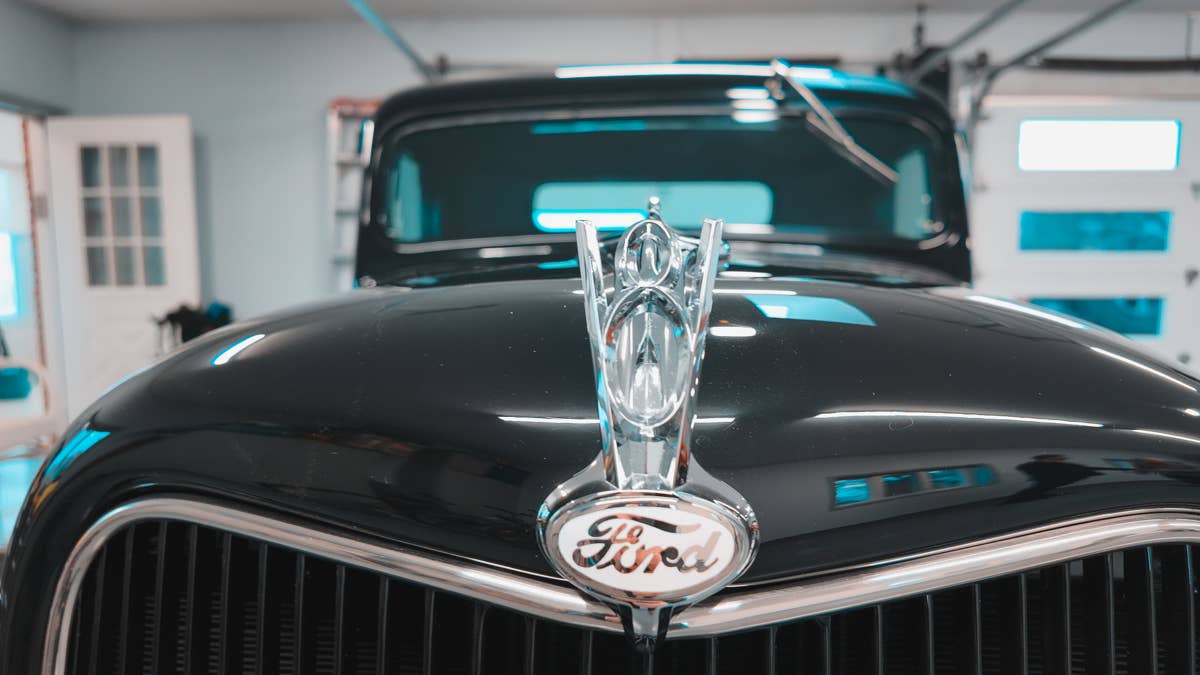
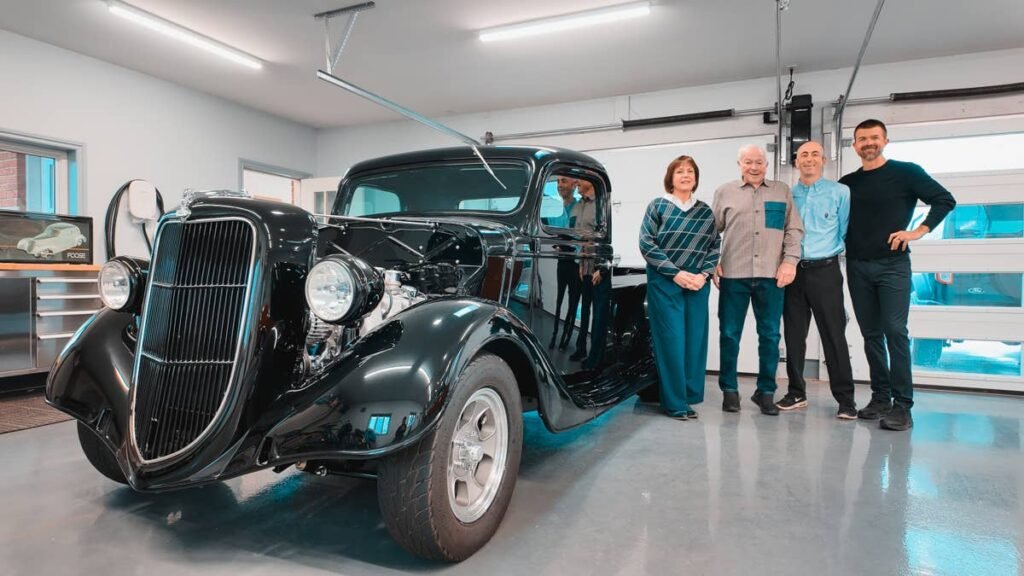
Bill Knapp is the main character in this story, as he set out to fully restore a classic 1936 Ford pickup and started from the ground up. What makes Bill’s story even more interesting is that the Knapp family has a close relationship with Ford. The Patriarch, Bill’s two brothers, nephew, and sister have either worked for or continue to work with the Blue Oval.
It took a full seven years for Bill to complete his restoration journey of the pickup, but he claims every moment calling junkyards and even handcrafting some components himself led to a trip down his family’s storied history with the brand.
Bill’s sister, Mary, emailed Ford executives about the Knapp’s story. She says that every time she sees the truck, it reminds her of all the family barbecues spent reminiscing about each person’s favorite Ford model.
Bill’s father, Leo, began working for Ford in the 1930s, during one of the brand’s peak periods of dominance. The Pickup is a continuation version of the Model TT, which was a converted Model T. The pickup, though, looked towards the next generation and went with an Art Deco design. It was powered by a 221-cubic-inch V8 that produced 85 horsepower. The truck sold 820,000 throughout its production run.
Ford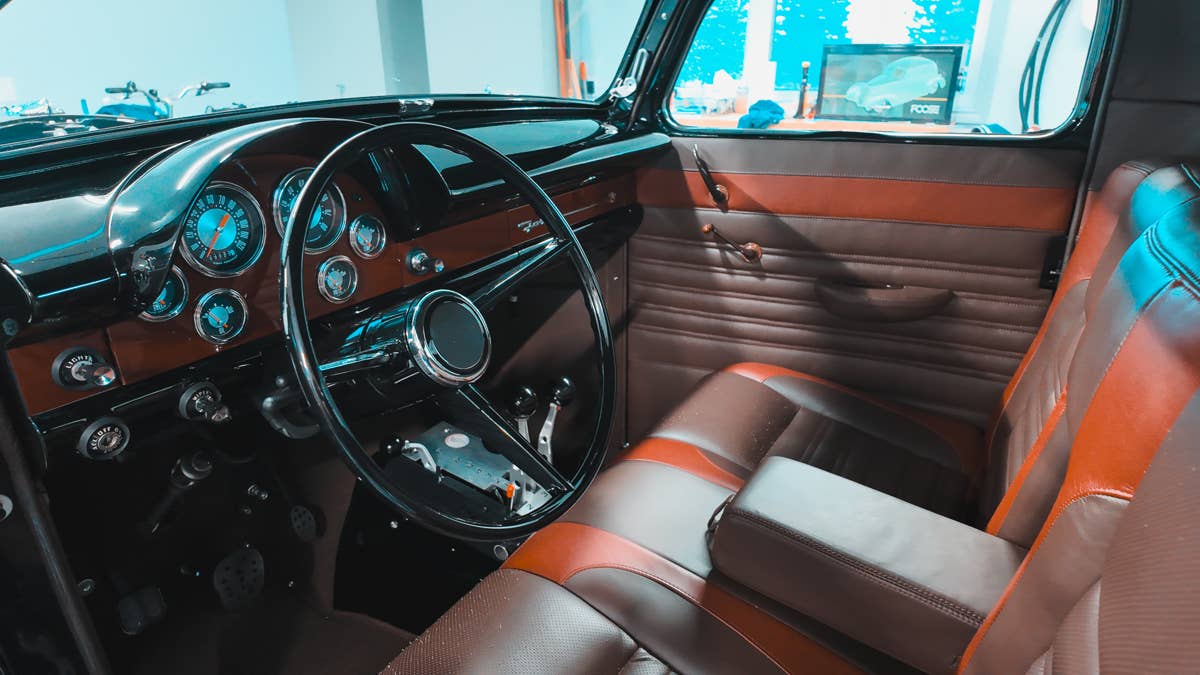
Powering Through
Bill used to own a 1936 Ford Pickup back in the day, but lent it to the community parade and said they could keep it as a service vehicle. He never stopped missing his truck, so when a good friend and car restorer, Shawn Dixon, tracked down a potential restoration project, Bill went all in despite the beat-up condition.
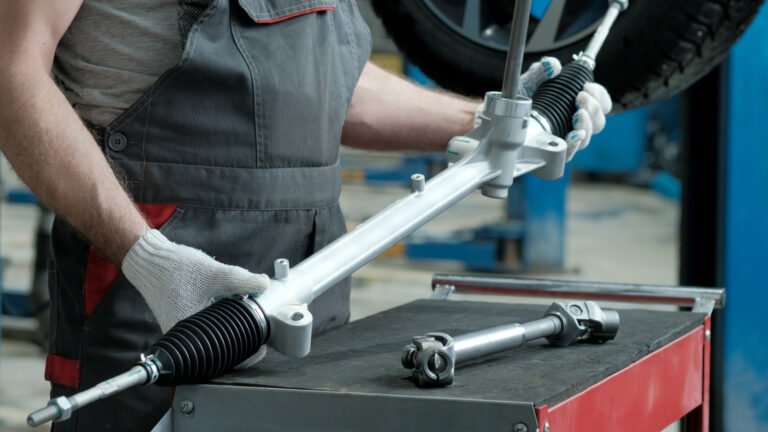
A car this old made sourcing parts an issue; most 1936 model trucks were cut and modified into hotrods, most with more powerful engines. Because some parts were near-impossible to find, Knapp and Dixon fabricated some themselves, including the fenders, dashboard, door panels, and even reupholstered the seats. Under the hood is a custom high-performance V8 from a company in Georgia, which Bill says was the perfect last touch to the build.
Ford