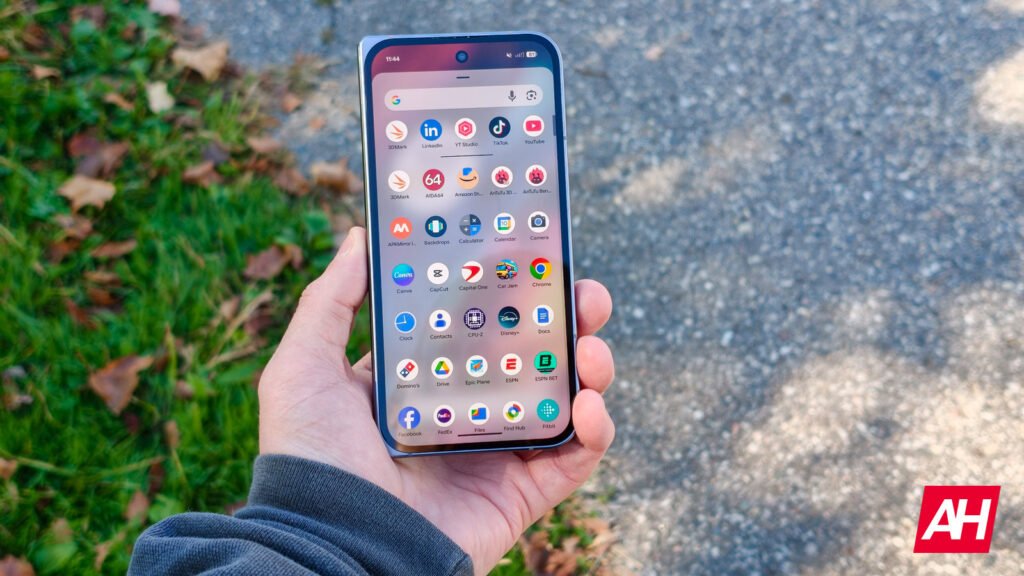

Face ID technology is one of iPhone‘s main selling points. The system uses a combination of hardware and software that has set the gold standard for consistent and reliable performance across all environments. On the other hand, Android manufacturers have opted for fingerprint readers as their primary biometric system. Yes, your device can detect your face, but it’s nowhere near as secure or reliable as iPhones’. That said, Google might finally have a solution up its sleeve with its own approach to Apple‘s Face ID: meet the Project Toscana facial recognition tech.
Google’s Project Toscana facial recognition aims to challenge Apple’s Face ID
This new Toscana initiative aims to fix the most significant flaw in the current Pixel face unlock system: its dependency on perfect lighting. As reported by Android Authority, Google is developing a sophisticated hardware upgrade designed to work just as effectively in a dim room as it does under direct sunlight.
The current implementation on Pixel devices is impressive for what it is. We are talking about a software-driven system that uses machine learning to allow for secure actions like banking and Google Pay. However, because it relies primarily on a standard front-facing camera, it becomes virtually useless once the lights go down. “Project Toscana” seeks to bridge this gap, reportedly offering speeds comparable to the iPhone’s Face ID while maintaining a clean, unobtrusive design.
A system compatible with single hole-punch cutouts
Early testing of the technology apparently took place recently in Mountain View, California. Sources told Android Authority that the system was tested on a Pixel phone featuring only a single hole-punch cutout, as well as on Chromebook prototypes. This suggests that Google is finding ways to integrate advanced sensors—likely infrared (IR)—without needing the massive sensor arrays seen in the old Pixel 4 series.
The implications for Chromebooks are equally exciting. Currently, most laptops still rely on passwords or basic fingerprint readers. But bringing “Project Toscana” to ChromeOS could streamline the login experience across the entire Google ecosystem. Imagine opening your laptop and being ready to work instantly, regardless of whether you are in a bright office or a dark airplane cabin.
There is speculation that the Google Pixel 11 will mark the debut of this technology. Google’s goal seems to be to create a biometric system that feels invisible yet remains incredibly secure. If the rumors are true, we might get the first official look at this tech at the next Google I/O keynote.
The post Google’s Project Toscana Aims for iPhone-Grade Face ID on Android & ChromeOS appeared first on Android Headlines.