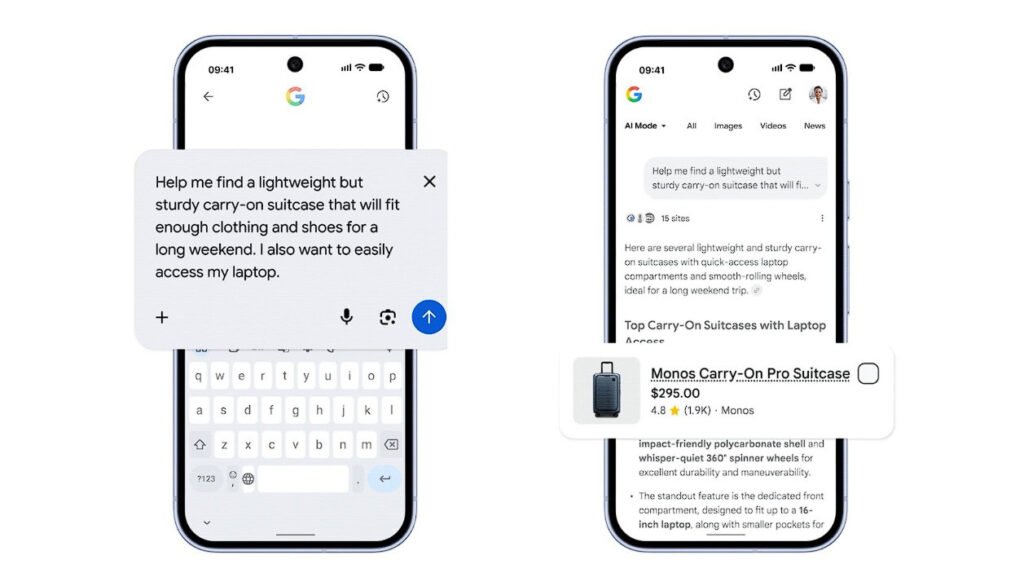

The recent launch of the Google AI shopping protocol, officially known as the Universal Commerce Protocol (UCP), has sparked a debate over the future of digital consumer rights. Google frames this new standard as a way to streamline how AI agents browse and buy products. However, it seems that consumer watchdogs are raising red flags about “surveillance pricing.” The core of the controversy lies in whether these AI assistants will act as helpful personal shoppers or as sophisticated tools for price manipulation.
Watchdog warns Google’s new AI shopping protocol could enable price surveillance for overcharging
Shortly after the announcement, Lindsay Owens, executive director of the think tank Groundwork Collaborative, voiced a strong warning. She argues that Google’s roadmap for these AI agents includes features for “personalized upselling.” This could lead to something critics call surveillance pricing.
The fear is that as you chat with an AI assistant in Search or Gemini, the system could analyze your data to determine how much you are willing to pay. That creates a potential dissonance between what you think AI does and what it actually does. Instead of everyone seeing the same price for a pair of sneakers, the AI might recommend more expensive versions. It could also adjust offers based on your personal shopping habits and perceived budget, Owens fears. She suggests that this level of data tracking could turn AI assistants into tools that maximize profit for retailers rather than finding the best deal for you.
Google’s rebuttal
Google has wasted no time in disputing these claims. The company clarified that its protocol does not allow merchants to show prices on Google that are higher than what is listed on their own websites. According to a Google spokesperson, the term “upselling” in their documentation isn’t about overcharging. The company claims it’s about showing users premium options they might actually prefer. This behavior is similar to what you would find in a sales associate in a physical store.
Google also highlighted its “Direct Offers” pilot. The firm explained that this feature is strictly designed to surface lower prices. This includes showing exclusive discounts or free shipping when a user is close to making a purchase. The tech giant maintains that the final choice always remains with the consumer and that its AI agents do not have the ability to manipulate prices based on individual chat data.
Conflict of interest?
For many users, the idea of an AI agent handling the “pesky” tasks of comparing prices and managing checkouts is incredibly appealing. Critics, on the other hand, say that there is a built-in conflict of interest. Companies like Google also help the people who sell these products. So, they could do what is best for the side that puts up the most money.
Whether Google’s new protocol becomes a helpful shopping companion or a tool for data-driven sales tactics remains to be seen. For now, the stage is set for a debate.
The post Google Denies Price Manipulation Claims in New AI Shopping Protocol appeared first on Android Headlines.
