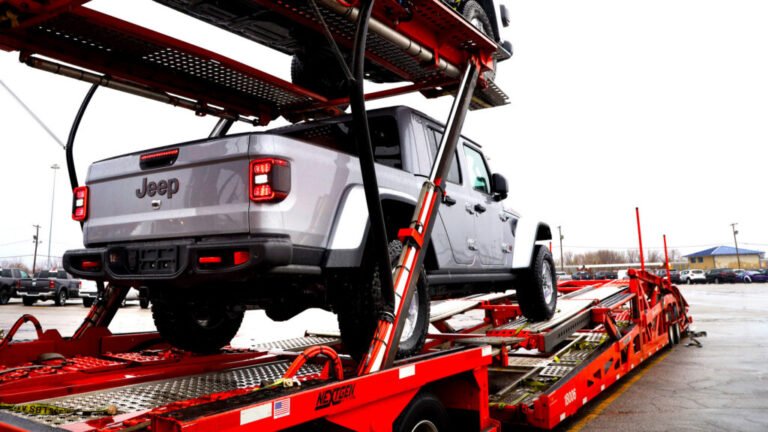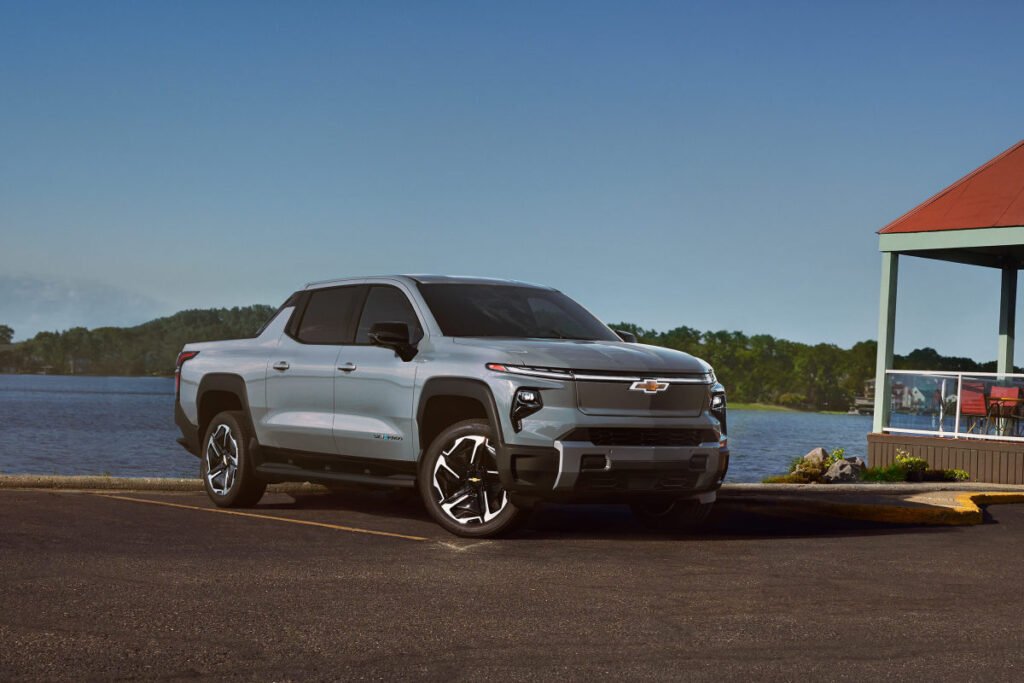
General Motors insists it still believes in an electric future, but its latest letter to shareholders tells a different story. After publishing its full-year results, the automaker confirmed it will significantly cut EV production in 2026, despite electric vehicles bringing nearly 100,000 new customers to the brand last year. They blame their losses on an abundant amount of “EV-related charges”, but most of them were self-inflicted.
The High “Cost” of EVs That GM Created Itself
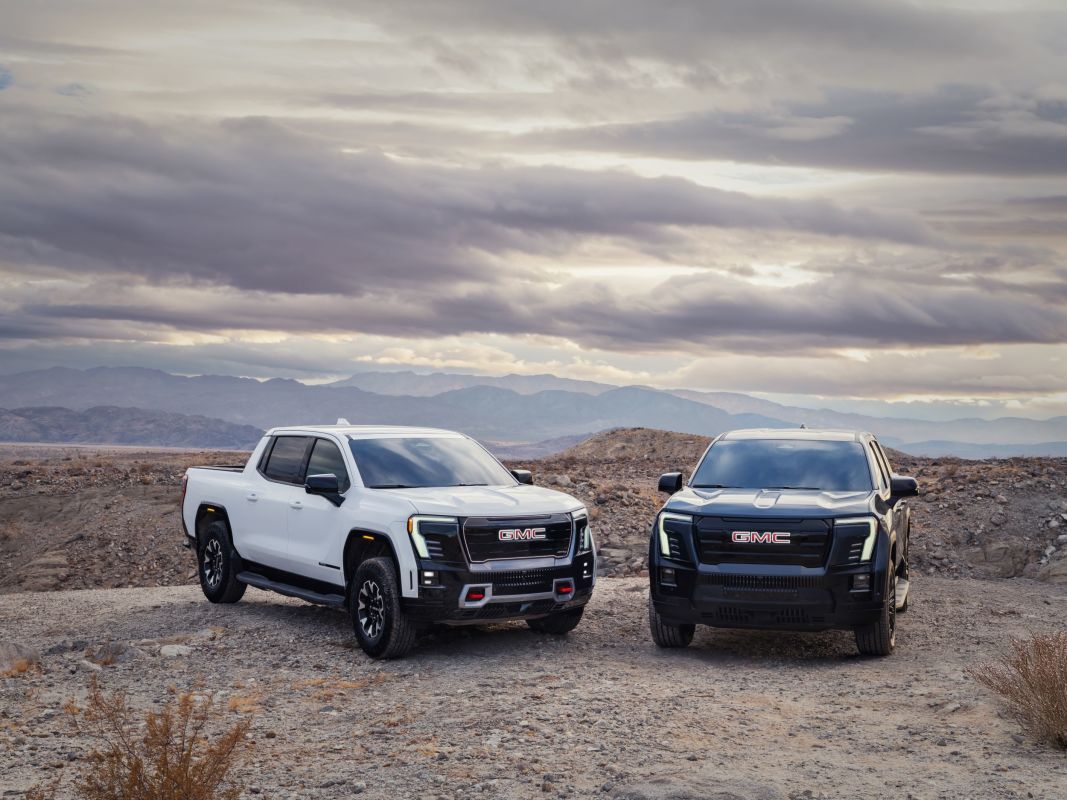
GMC
GM has repeatedly pointed to the high cost of EVs, but much of that expense has little to do with actually building electric vehicles. In 2025, the company recorded an $8.5 billion loss, driven largely by “EV-related charges”. These charges were a compilation of canceled programs, supplier settlements, and discontinued models. In simple terms, EVs are costly for GM because it’s actually costing money stop making them. Had production continued as planned, many of those costs would not have existed in the first place.
This cost-cutting pattern isn’t unique to GM. Automakers across the industry are cutting low-volume EVs as incentives fade and short-term profits come under pressure. In the US, EV sales dipped for the first time in years, giving manufacturers political and financial cover to slow down. Globally, however, demand continues to grow, and Chinese-built EVs are reshaping markets abroad. As a matter of fact, BYD just overtook Tesla as the world’s top EV seller.
Belief, But Only on Paper
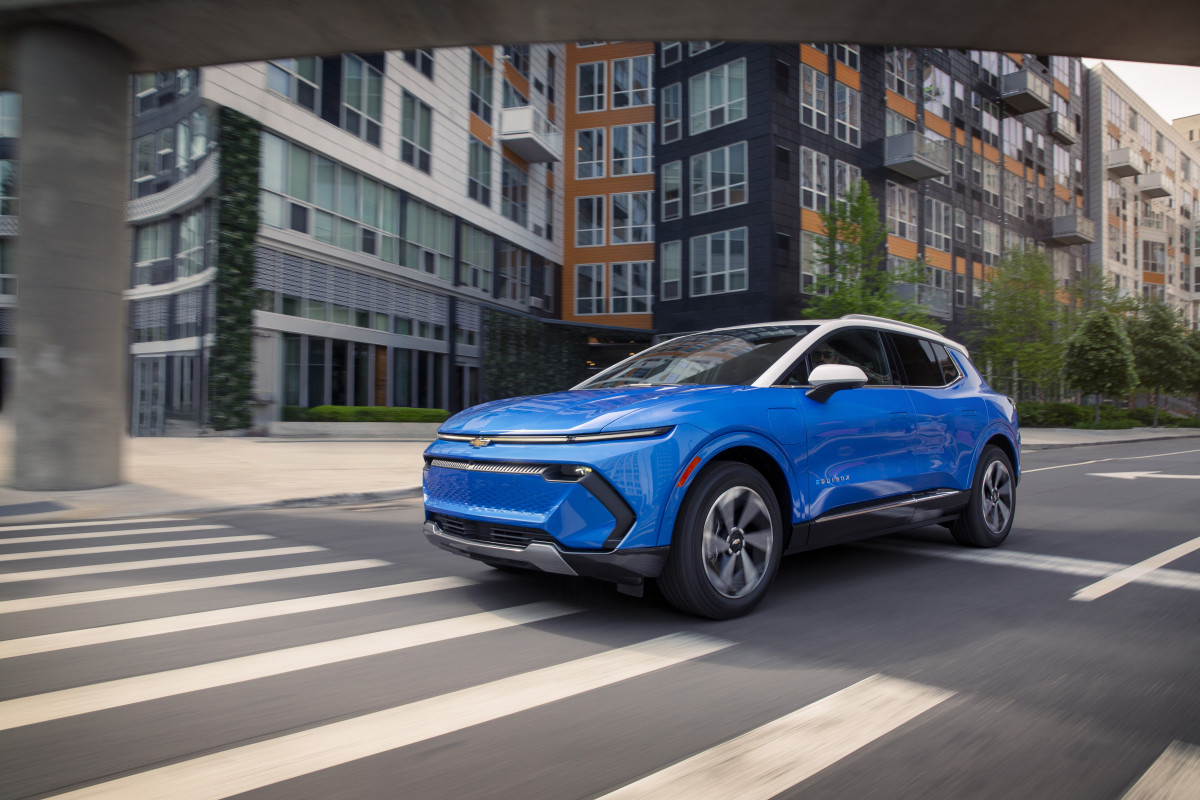
Chevrolet
In the shareholder letter, GM has acknowledged that EV buyers “do not often go back to gas”. And research backs up that statement, with just 7% of US car buyers saying they’d want an EV as their next car. At the same time, profits from gas-powered trucks and SUVs are surging, funding higher dividends and share buybacks. So, when looking at the bigger picture, the EV pullback strategy looks less like a collapse in interest and more like a preference for safer profit margins.
That tension explains why some automakers are pivoting toward middle-ground solutions. Extended-range electric vehicles, which pair large batteries with small gas engines acting as generators, are increasingly seen as a bridge between EVs and traditional vehicles. Ford’s $30,000 F-150 Lightning replacement is the perfect example of how the industry is adapting rather than abandoning electrification outright.
The Reality of EV Demand For The Future
Cadillac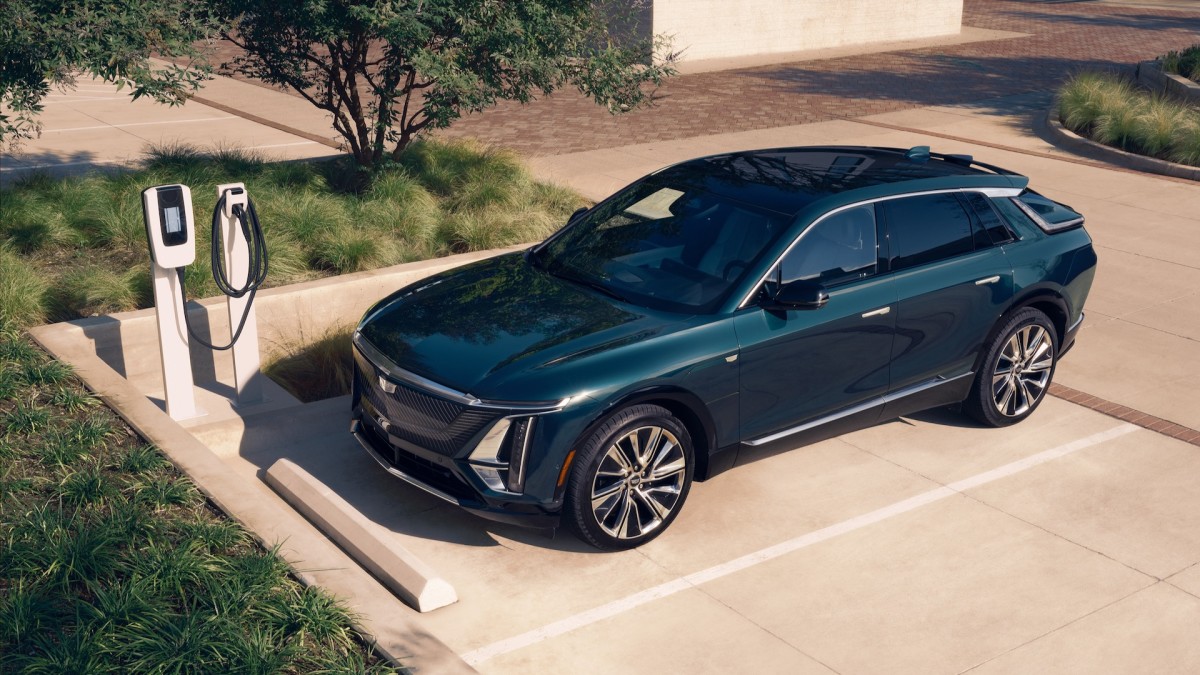
Future EV demand can’t be judged solely on 2025 sales – waters were muddied with expiring incentives and aggressive pricing strategies. However, one thing remains evident: Not a lot of people want to continue to pursue an all-electric route, especially when there are no government incentives to do so, at least for now. With that in mind, GM’s decision to axe EV production makes sense. What is harder to justify is framing EVs as inherently too expensive, when billions of those costs were created by GM’s own decision to cancel them.