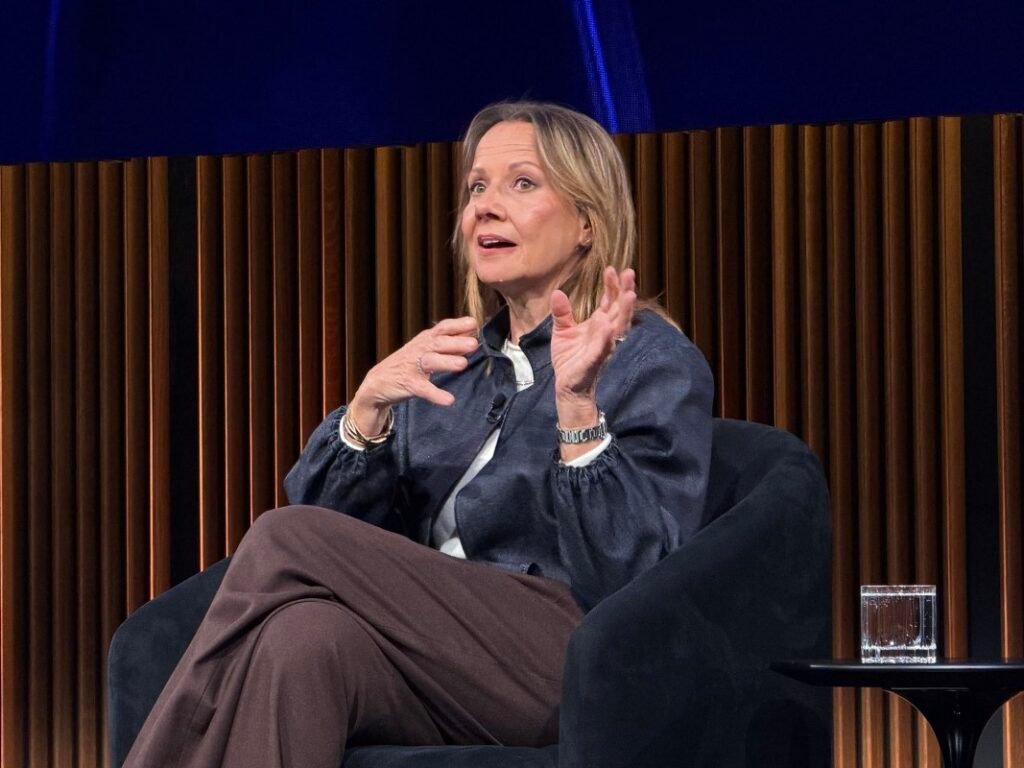
The EV market has taken a dive since federal tax credits were phased out last September. But General Motors Chairman and CEO Mary Barra remains optimistic it’s only a matter of time until demand rebounds.
Eventually, “people will choose (EVs) because they’re better vehicles,” she said during a meeting of the Automotive Press Association at GM’s new Detroit headquarters on Monday.
Barra said her company has to respond to the slowdown in EV sales by directing more investment dollars into internal combustion engines. But she remains a skeptic when it comes to the plug-in hybrids that some of GM’s competitors see as the near-term bridge to an eventual all-electric future.
Barra Remains Charged Up
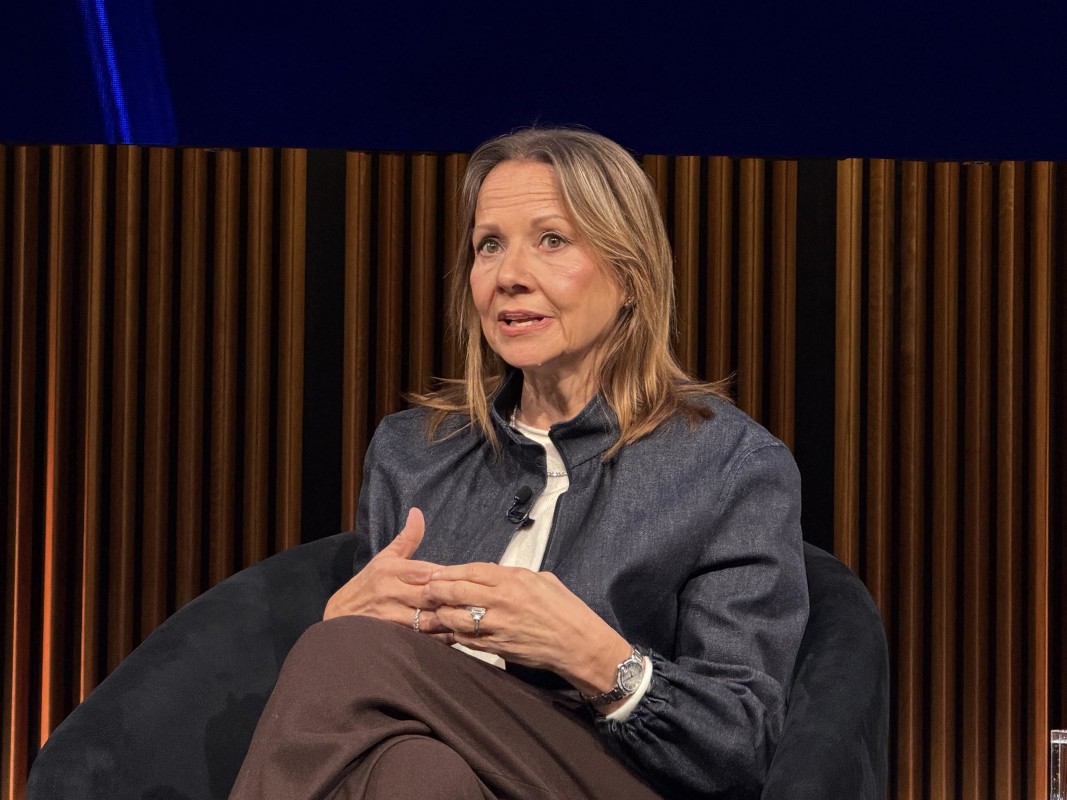
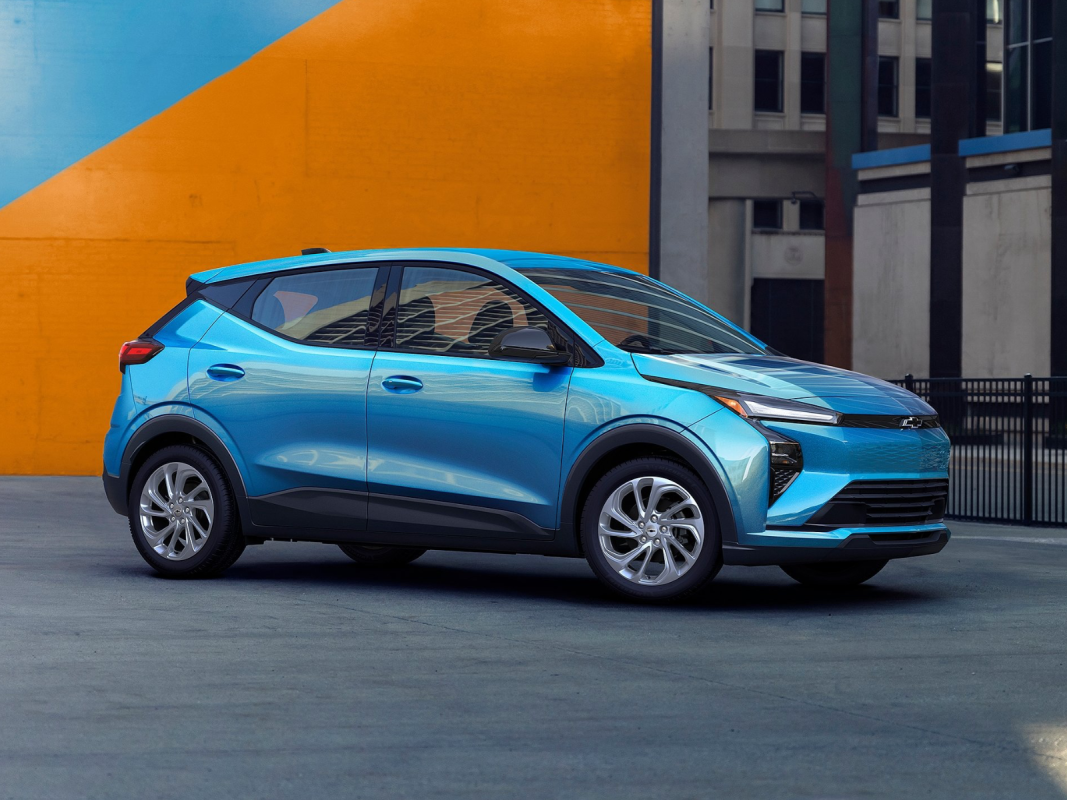
It’s become her mantra, even now Barra insists GM is on a “path to an all-electric future,” and while it may be redoubling development of internal combustion engines, it’s continued to roll out new EVs, including the reborn Chevrolet Bolt. At $28,995, plus $1,395 in delivery fees, it’s now one of the most affordable battery-powered products on the market.
Longer-term, Barra believes several things are necessary to kick-start EV momentum, starting with the reliable and readily accessible nationwide charging network that former Pres. Joe Biden earmarked $5 billion for. His successor, Donald Trump has tried to put that program on hold, among a number of steps he’s taken to pull back on electric vehicles. It will also be crucial to bring out newer, lower cost batteries, the single highest cost of any EV, Barra noted.
Like most industry leaders, Barra isn’t a fan of government intrusion. And even though the loss of federal incentives has hammered the U.S. EV market, she said “I don’t want the regulatory environment to drive EV adoption,” she explained. “I want it to be because people choose them because they felt they were better vehicles and they fit their lives.”
Skeptical About PHEVs
“I’m a little surprised at some (automakers) that are really pulling away very quickly” from their EV plans. Mazda now says it won’t introduce its first new EV for several more years. Stellantis has killed off its all-electric Ram 1500. Ford scrubbed several three-row pickups and last month said it was ending production of the F-150 Lightning, the market’s best-selling all-electric pickup.
Related: Mazda Is Delaying Its First Real EV and That Might Be the Smart Move
GM will take more time to go all-electric, said Barra, noting the carmaker has sharply increased spending on development of internal combustion engines. “We’re not going to cede our leadership there,” she stressed. But she sounded an unexpectedly sour note when asked about plug-in hybrids, a technology many industry leaders now see as a “bridge” to EVs. “We’re evaluating plug-in hybrids,” she said, declining to offer more details.

S
A year ago, Barra had indicated GM would introduce PHEV versions of some of its larger truck models. Her comments suggest the automaker might be backing off from that plan. Part of the problem, she explained, is that a large share of owners tend not to plug in their PHEVs, meaning they don’t get the benefit of the all-electric range they offer.
Just Say No to Robotaxis
Asked what she personally drives, Barra said she can be stopped around town in a GMC Hummer EV, which makes her feel like a “badass soccer mom.” The GM CEO was trained as an electrical engineer and waxed eloquently about the benefits of all the new digital safety and creature comfort features coming to the latest automobiles. She previously expressed her belief that GM will generate billions of dollars of new earnings through sales of those technologies and subscriptions to various digital services. That includes the company’s Super Cruise hands-free driving system.
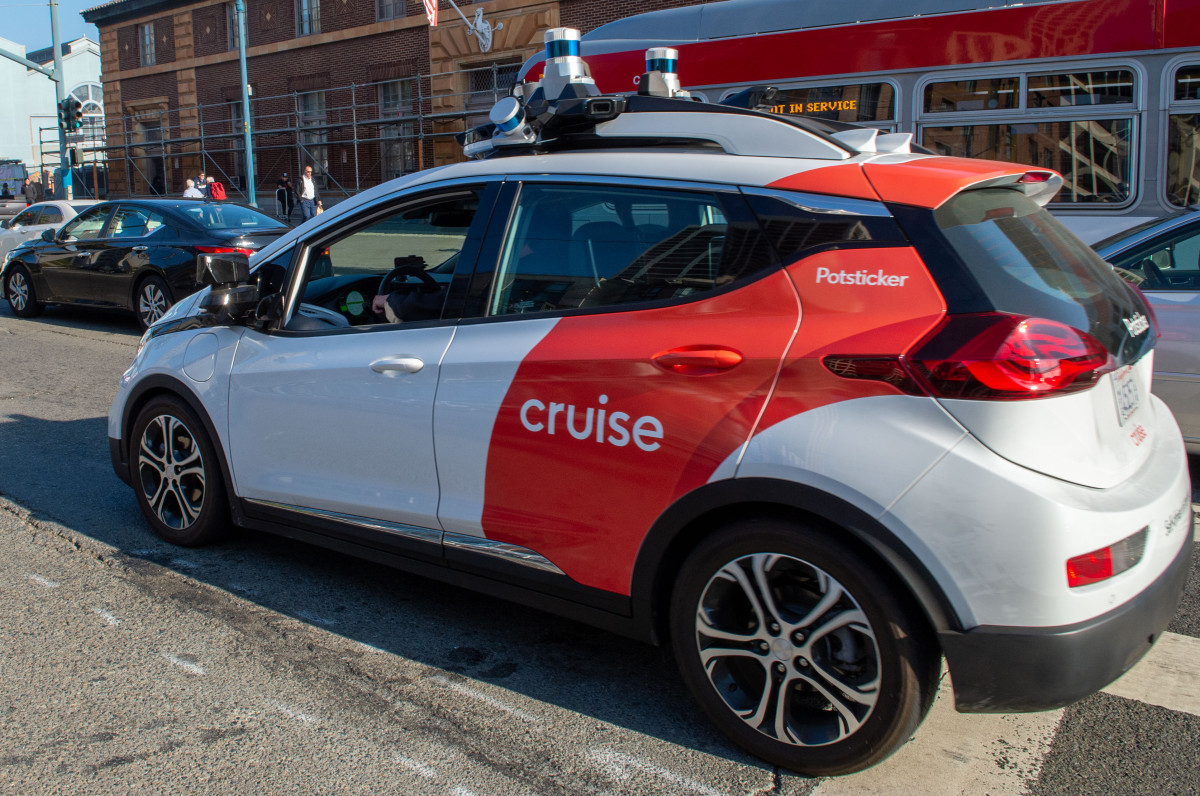
That said, she has backed away from some high-tech plans, in 2024 shutting down GM’s San Francisco-based Cruise subsidiary following a near-fatal crash. “We don’t want a (robo)taxi business. We don’t want a (robo)bus business.” Instead, “We want to focus on personal autonomy, not on ride-sharing.” GM has repeatedly update Super Cruise which now can operate hands-free on 750,000 miles of U.S. and Canadian roads. The next step is a “Level 3” upgrade allowing drivers to not only take hands off the wheel but eyes off the road, allowing them to text or watch videos – though they’d still need to be ready to retake control of the vehicle in an emergency. The ultimate goal is a “Level 4” system that could operate even without a driver. But Barra admitted she’s been overly optimistic before about when that can happen, declining to offer a new target date.
Barra’s in No Rush to Leave
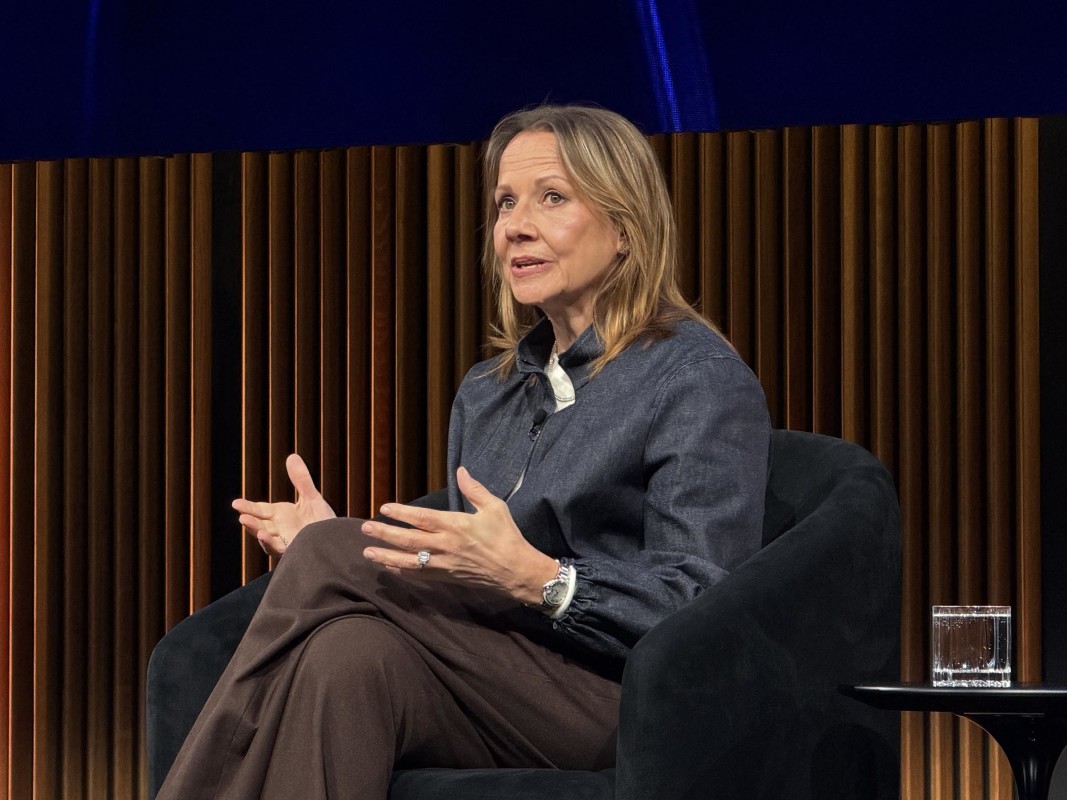
Having turned 64 early last month, the inevitable stories have begun circulating about when Mary Barra will retire. She’s now in her twelfth year at the helm of the largest U.S. automaker, logging more time than any other GM CEO but the legendary Alfred P. Sloan who led the company from 1923 to 1946. But don’t expect her to rush out the door, even when she turns 65. “I’m having a lot of fun,” said Barra, adding that she still has plenty she wants to do at the company.
If she were to retire anytime soon, current betting seems to be focused on Sterling Anderson, the co-founder of autonomous tech firm Aurora, who joined GM last June as its global chief product officer. But Barra wasn’t going to leave any clues as she wrapped up her Monday session. “We have several people who are very, very talented,” and who could be chosen by the board to succeed her. Ultimately, she noted, it will be up to the GM Board of Directors to make the choice – though, as chairman, she clearly will have a strong say in whomever does eventually fill her stylish high-heeled shoes.