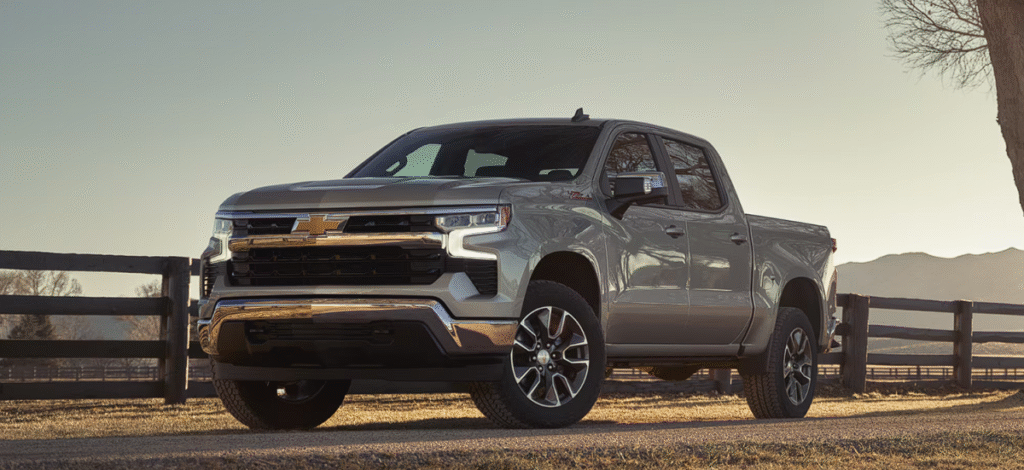
There’s good news for owners of 2025 and 2026 Chevrolet Silverado 1500, Colorado, and Traverse vehicles after General Motors released a new Preliminary Information Service Bulletin (PIP6101) this month to address an unwanted noise in their engines. The issue has also been plaguing the Buick Enclave and GMC‘s Acadia, Canyon, and Sierra 1500. These vehicles are powered by either GM’s L3B 2.7-liter turbocharged four-cylinder or its LK0 2.5-liter turbo-four, and have been experiencing a ticking noise in their cylinder heads, which the bulletin describes as a “Top End Ticking Noise.” The cause of the valvetrain noise has been traced to debris from the manufacturing process.
The Problem with GM’s Turbocharged Four-Cylinder Engines
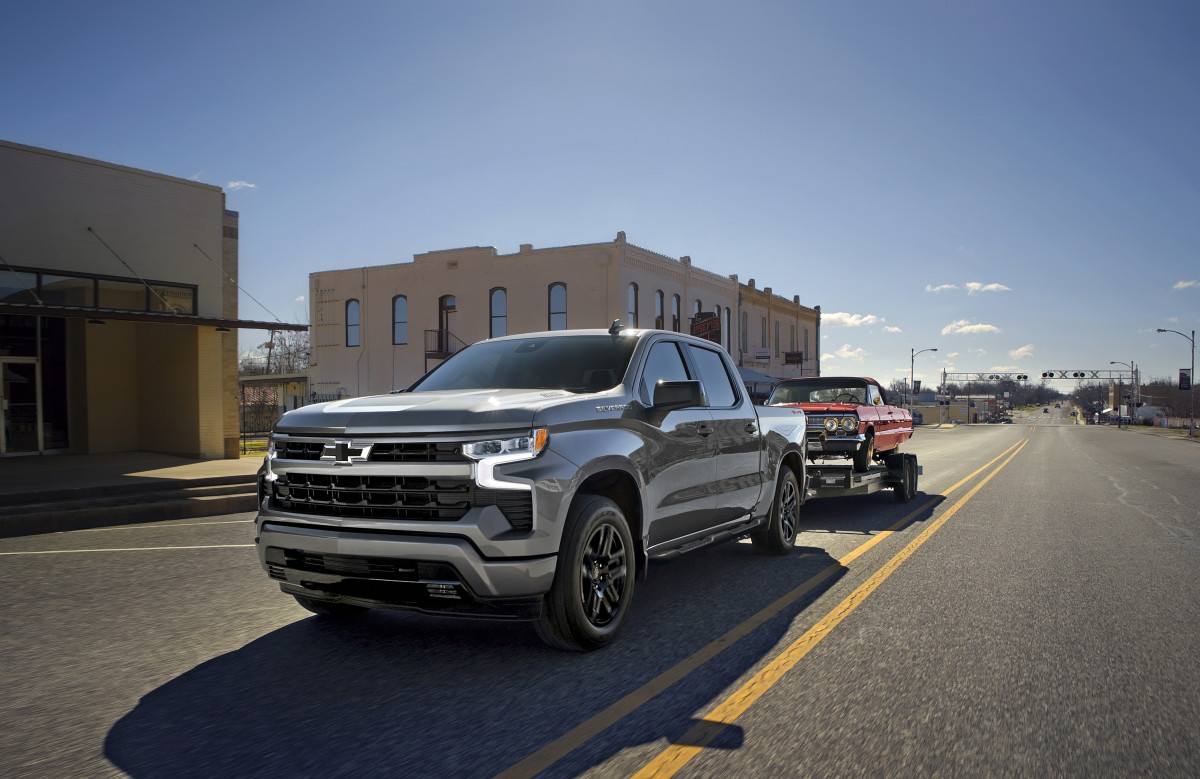
Manufacturing debris in these engines has been found inside the stationary hydraulic lash adjuster, preventing the adjuster from properly pumping oil. Without proper cooling and lubrication, the lash adjuster becomes “soft,” and this creates the ticking noise some owners have experienced. Thus far, the issue is not serious enough to result in a recall, but while straightforward, the fix is not quick. Before any disassembly takes place, the Technical Service Bulletin, or TSB, instructs technicians to verify that the ticking noise in problematic vehicles is indeed emanating from the valvetrain area using “a stethoscope or other methods.” If not, a ticking noise from the engine could point to a more serious issue.
Related: GM Offers Built-In Apple Music in Exchange for Cutting CarPlay and Android Auto
Once the cylinder head is confirmed as the source of the noise, the camshaft carrier must be removed and inspected for soft stationary hydraulic lash adjusters by pushing down on each the followers/rocker arms where they rest on the lash adjusters. This needs to be done on both the intake and exhaust sides of the valvetrain. Both the soft lash adjusters and the rocker arms connected to them must then be replaced with new components, which should put an end to the ticking noise. The TSB doesn’t mention any other potential causes of the issue besides manufacturing debris, so once these parts are replaced, the issue should not be repeated, unlike the problem GM has been having with its V8 engine.
GM Customers Will Be Covered
Chevrolet
The affected engines are in relatively new vehicles, so the work will be covered under powertrain warranties. Fortunately, this problem doesn’t appear to result in any lasting damage to the valvetrain or cylinder head, and the TSB makes no mention of changing out any other components. But in the meantime, any customers experiencing this ticking noise should avoid high RPM, which could lead to a bigger issue. Since this TSB has only just been released, it’ll take some time for customers to know whether the fix has been effective, but it’s unlikely that this will turn into a recall.