The average price for a gallon of gas in the U.S. increased sharply on March 3, amid ongoing conflict in the Middle East. Although an increase in gas prices was expected, the jump of 11 cents in one night suggests further volatility in the weeks ahead. The current national average for a gallon of gas is $3.109, up from $2.997 on Monday. A week ago, average gas prices stood at $2.883 per gallon. For many commuters, the sudden increase will come as an unpleasant surprise, especially the millions of Americans who drive larger, more powerful SUVs and trucks.
Related: Strait of Hormuz Closure: Are We Headed for Another Oil Crisis?
Some States Hit Harder Than Others
Getty Images
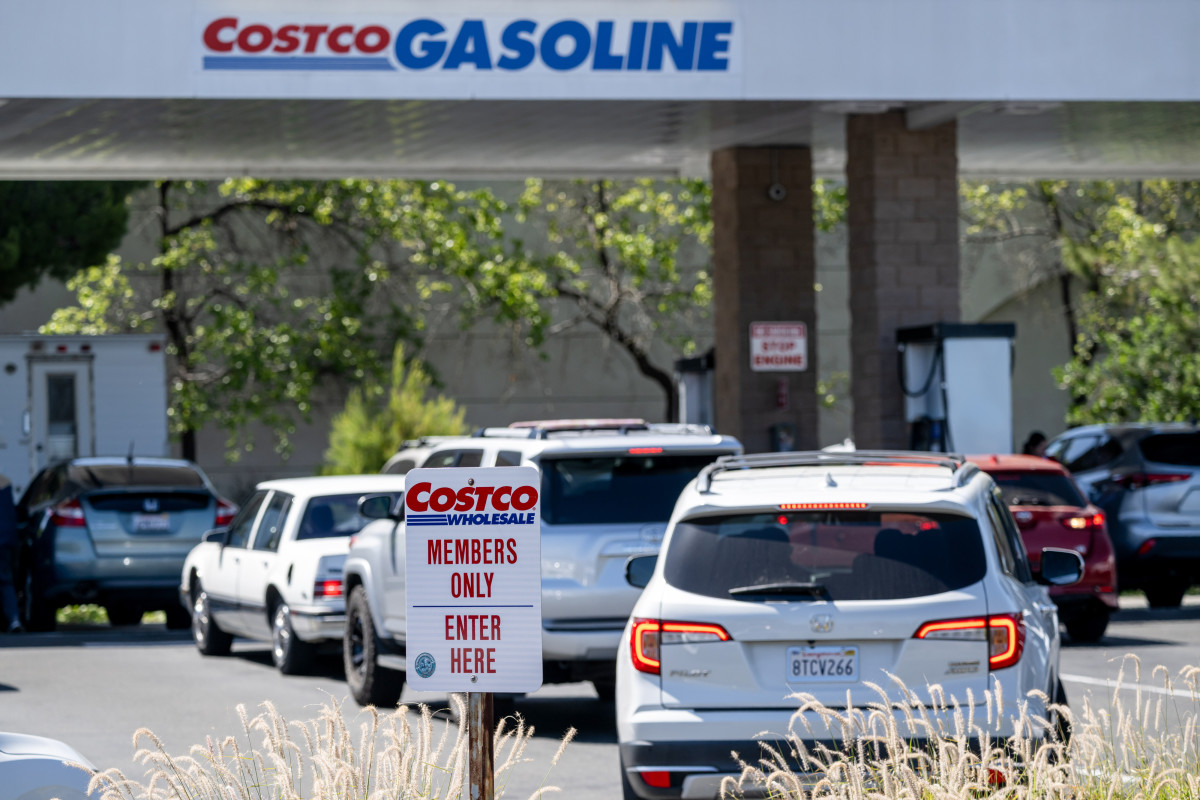
Gas prices have increased across the country, although some states have been hit harder than others. In Wisconsin, for example, data from the AAA shows a gallon of regular gas is currently $2.863, which is 33 cents more than it was a week ago. In California, the increase over the last week is much lower, at 4.6 cents. However, Californians are already paying some of the highest prices for gas in the country: A gallon of regular gas costs $4.674 there, while Premium gas is $5.082.
In Jackson, Mississippi, resident Anne Dulske paid $15 more than she usually did to fill up her tank on Tuesday. “It’s going to affect everything in our lives,” said Dulske to the Associated Press. “It’s very scary, and it does hit closer to home than people think.”
While more increases are possible, not all analysts believe average gas prices will go as high as $4/gallon. “We are knee-deep into the gas price increases,” said Patrick DeHaan, head of petroleum analysis at GasBuddy, a tech company helping people find cheap gasoline. “Many Americans seem very panicked that prices could hit multiple dollars higher than [$4 per gallon], which at this point, I wouldn’t say anything’s impossible, but certainly it’s quite improbable based on the current developments.”
Current gas prices remain far below record figures recorded in June 2022, when a gallon of regular unleaded was $5.016.
How High Gas Prices Could Impact Car Sales
Ford
Gas prices could remain elevated through early spring, based on projections that the conflict in the Middle East could last up to five weeks. A possible 30-cent increase nationally would significantly increase monthly costs for high-mileage drivers.
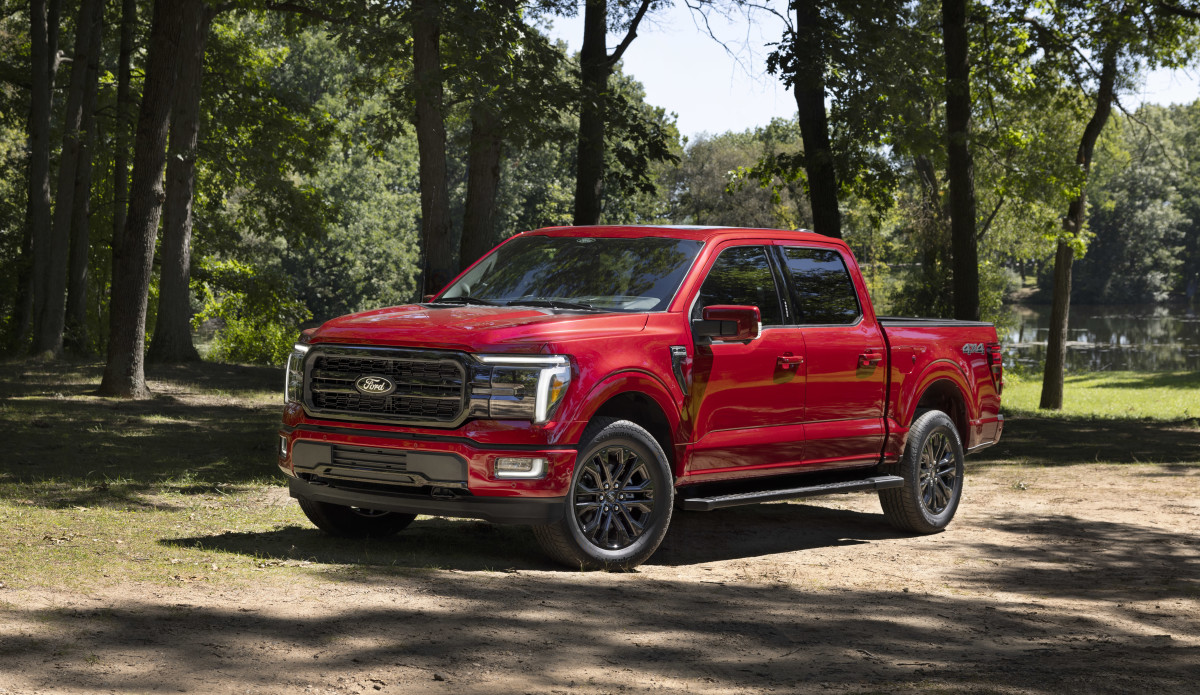
Longer-term increases in gas prices have a direct impact on the automotive market. Consumers may begin moving from thirsty SUVs and trucks like the Ford F-150 for more efficient models, while hybrid sales—which are already booming—could get a further boost.
A study by Kelley Blue Book shows that almost half of car buyers say gas prices influence the type of vehicle they’ll buy, which could favor efficiency-minded brands like Honda. Toyota, one of the industry’s leaders in the hybrid space, could see even more demand for electrified models like the RAV4 and Camry—both models are now exclusively hybrids.
If gas prices approach $4 per gallon, we anticipate renewed interest in small crossovers, hybrids, and EVs.