Ford’s PHEVs Under Review
Some argue that hybridized powertrains may be less reliable due to the added complexity of components like a high-voltage battery. Reaching a definitive conclusion, however, requires long-term data – especially as newer, more advanced hybrid systems enter the market. Still, recalls such as this one from Ford may draw added scrutiny. The Blue Oval brand is recalling nearly 25,000 Escape and Lincoln Corsair plug-in hybrid models because certain battery cells could experience an internal short circuit, potentially increasing the risk of a crash.
The National Highway Traffic Safety Administration (NHTSA) recall number 26V091 states that the affected vehicles may be equipped with high-voltage battery cells impacted by variability in the supplier’s production process. As a result, owners could experience a shutdown of the vehicle’s propulsion system – a failure mode that has prompted loss-of-motive-power recalls for certain Jeep models equipped with the 4xe plug-in hybrid system. Additionally, an internal short circuit may lead to battery thermal venting, which could increase the risk of a fire.
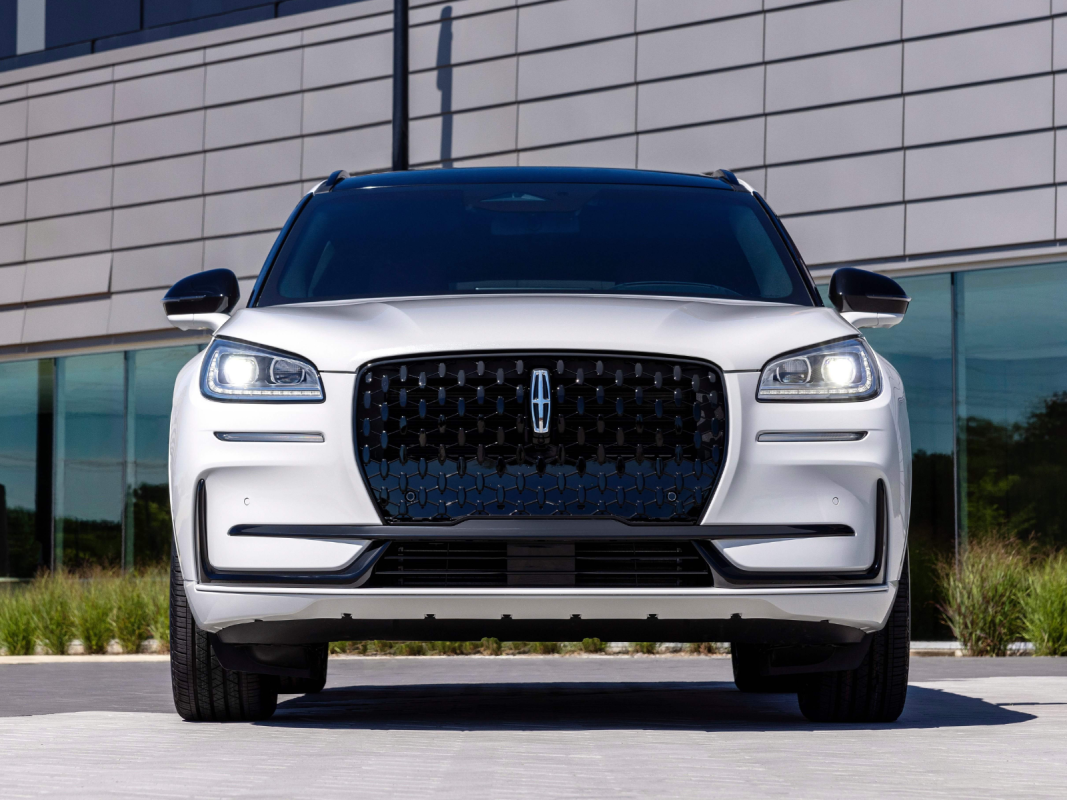
Trouble in the Compact Segment
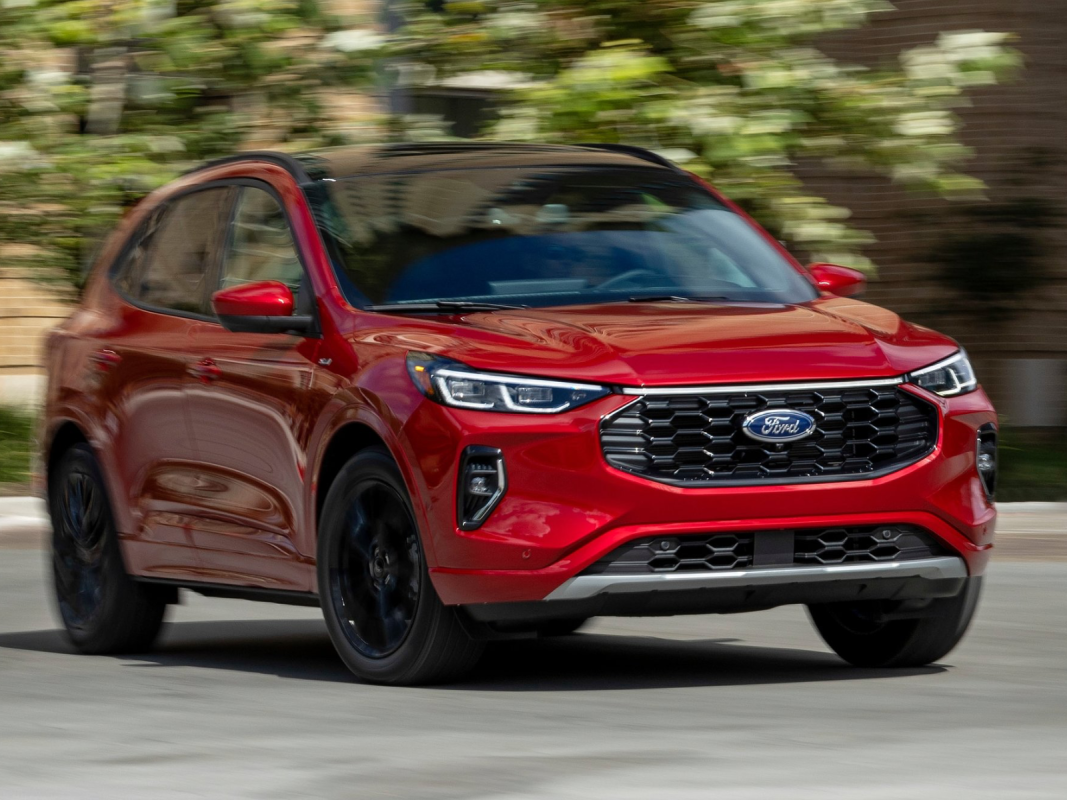
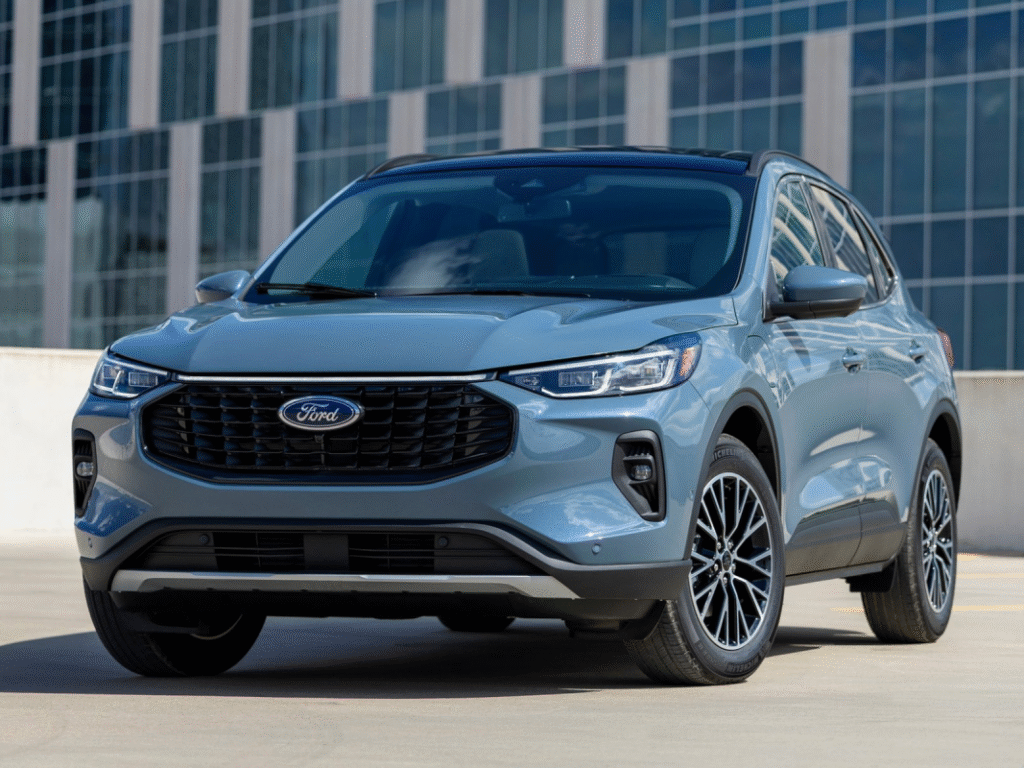
The affected vehicles include 17,345 units of the 2023–2025 Ford Escape PHEV and 7,345 units of the 2023–2026 Lincoln Corsair PHEV. Both models are underpinned by Ford’s C2 platform. In PHEV form, they use a 2.5-liter naturally aspirated inline-four paired with an electric motor, while the Corsair adds a second rear electric motor to enable an all-wheel-drive (AWD) system.
Ford is not aware of any crashes or injuries related to this issue.
Affected owners are scheduled to be notified between March 2 and March 6, 2026. At that time, Ford will provide details regarding the recall process. The final remedy is still under development and will be communicated once available. As with most safety recalls, repairs will be performed free of charge to customers.
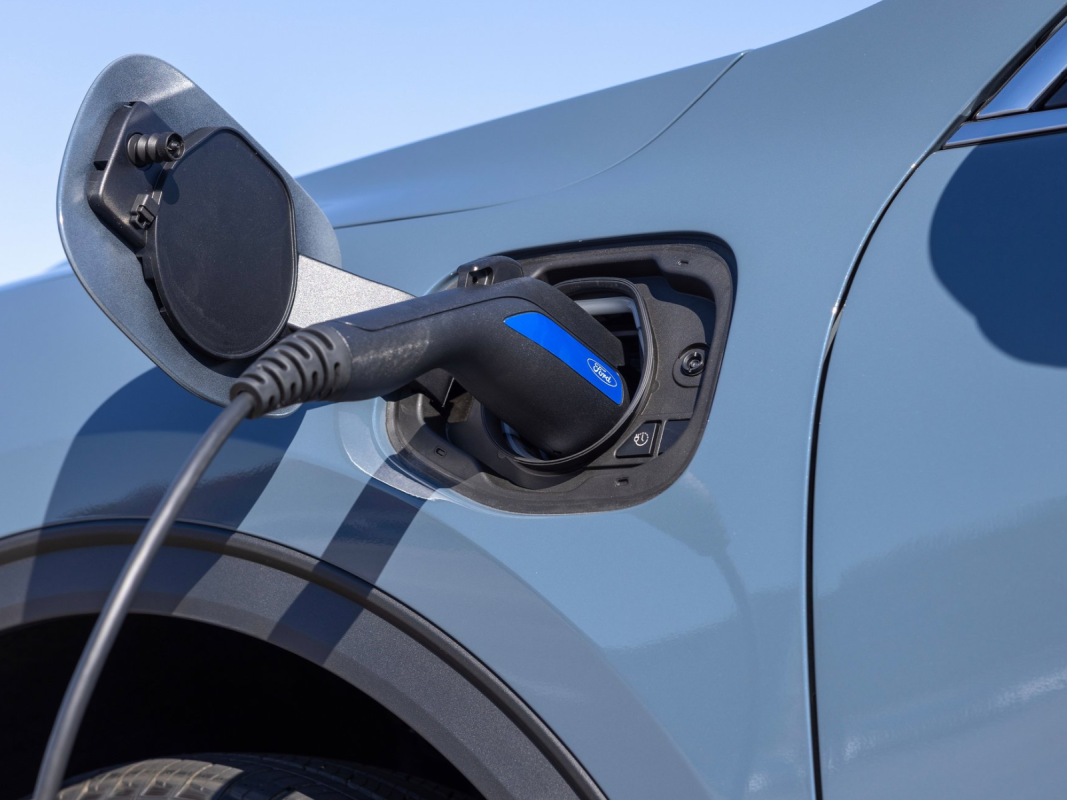
What Owners Should Know
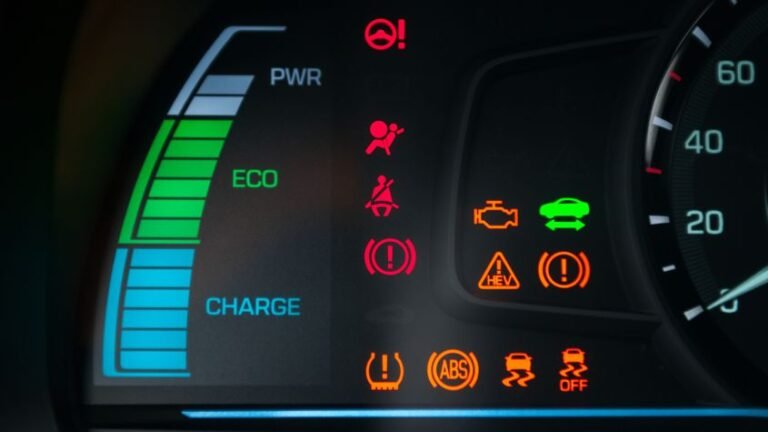
In the meantime, affected owners are advised to limit their vehicle’s state of charge (SoC) to 80 percent, a measure intended to reduce stress on potentially defective cells and lower the risk of a thermal event. They are also instructed to use “Auto EV” mode only, which automatically blends gasoline and electric power, likely to avoid sustained battery-only operation. If a high-voltage battery cell develops an internal short circuit, the vehicle may shut down its propulsion system and display a red “Stop Safely Now” message on the instrument cluster.
So far this year, Ford leads the recall list with 10 safety campaigns, according to NHTSA’s public recall dashboard, followed by Hyundai with five. One of Ford’s recent recalls involves a rear suspension toe-link fracture risk affecting more than 400,000 Explorer SUVs.