When EVs Meet Water
Electric vehicles (EVs) and water tend to spark dramatic headlines, but the truth is they aren’t natural enemies. Modern EVs are engineered with sealed battery packs and weatherproof high-voltage components, often proven in everything from storm floods to deep-water wading tests. For the most part, EVs aren’t fragile electronics waiting to short out.
That reputation didn’t hold up for one Hyundai Ioniq 5 owner in Florida. According to a WFTV report, a simple 20-ounce bottle of water was enough to knock out major systems in his Ioniq 5.
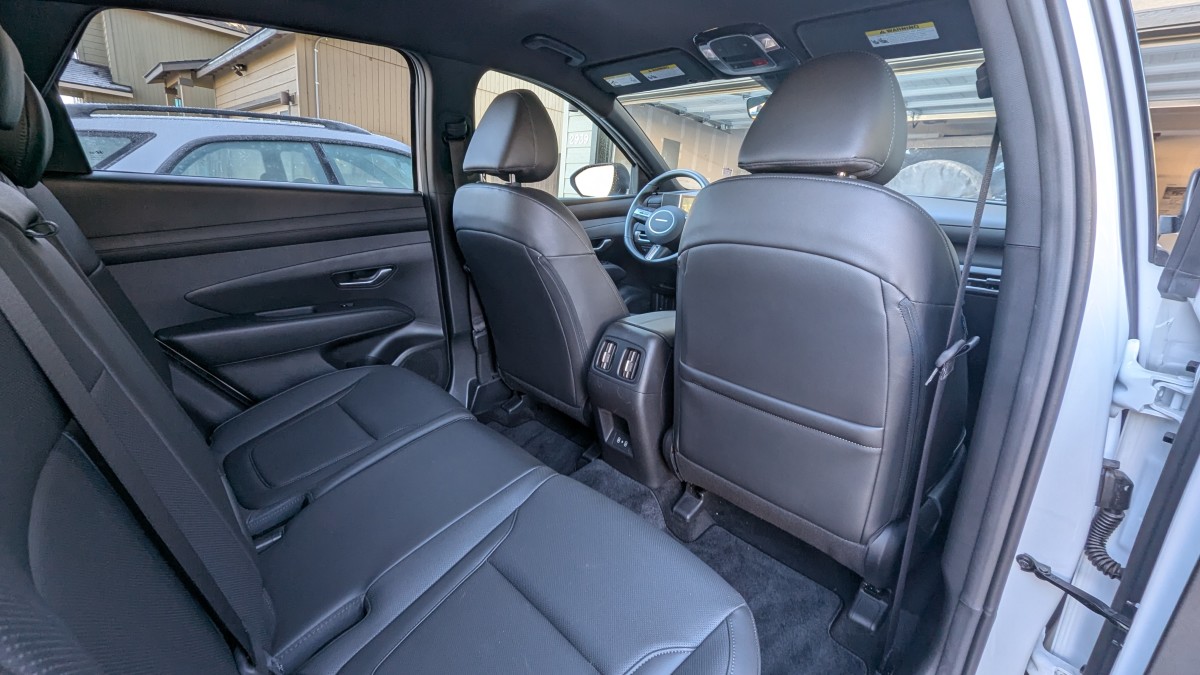
The owner, Michael McCormick, said the bottle slid from the back seat during heavy braking, splashed onto the floor, and, within minutes, the dashboard was covered in Christmas lights. By the time he got home, the signals were out, and the car wouldn’t shut off.
What the Investigation Found
McCormick brought the two-year-old EV to his local Hyundai dealer, where technicians traced the failure to the wiring harnesses under the floor and driver’s seat. The service department reportedly told him that moisture from a spill – or even someone with wet clothes – could trigger the type of malfunction they found. Sand on the floor may have made matters worse.
Unfortunately, replacing both the floor and seat wiring harnesses came to an estimated $11,882.08. McCormick said he was caught off guard by how quickly a splash of water could escalate into a near-total electrical shutdown.
Apparently, this isn’t an isolated case. A Reddit thread from two months ago claimed the wiring layout leaves little room between the harnesses and the floor, making them vulnerable to snagging or damage, and that these repairs weren’t covered under warranty either.
Warranty, Insurance, and Hyundai’s Response
To add insult to injury, Hyundai declined McCormick’s expected warranty coverage, saying the damage wasn’t caused by a manufacturing defect. His insurer, State Farm, also denied the claim, claiming that the corrosion that appeared to have built up over time was not sudden accidental damage, according to WFTV.
In a statement to WFTV, State Farm noted that long-term moisture-related corrosion is generally not covered under standard auto policies. Hyundai later sent McCormick a letter stating the incident appeared to be the result of “outside influence.”
With neither party covering the near-$12,000 repair, McCormick argues the issue points to a design flaw – questioning why critical wiring is positioned where everyday spills can cause such costly damage.
Kristen Brown