A New Charge for Going Electric
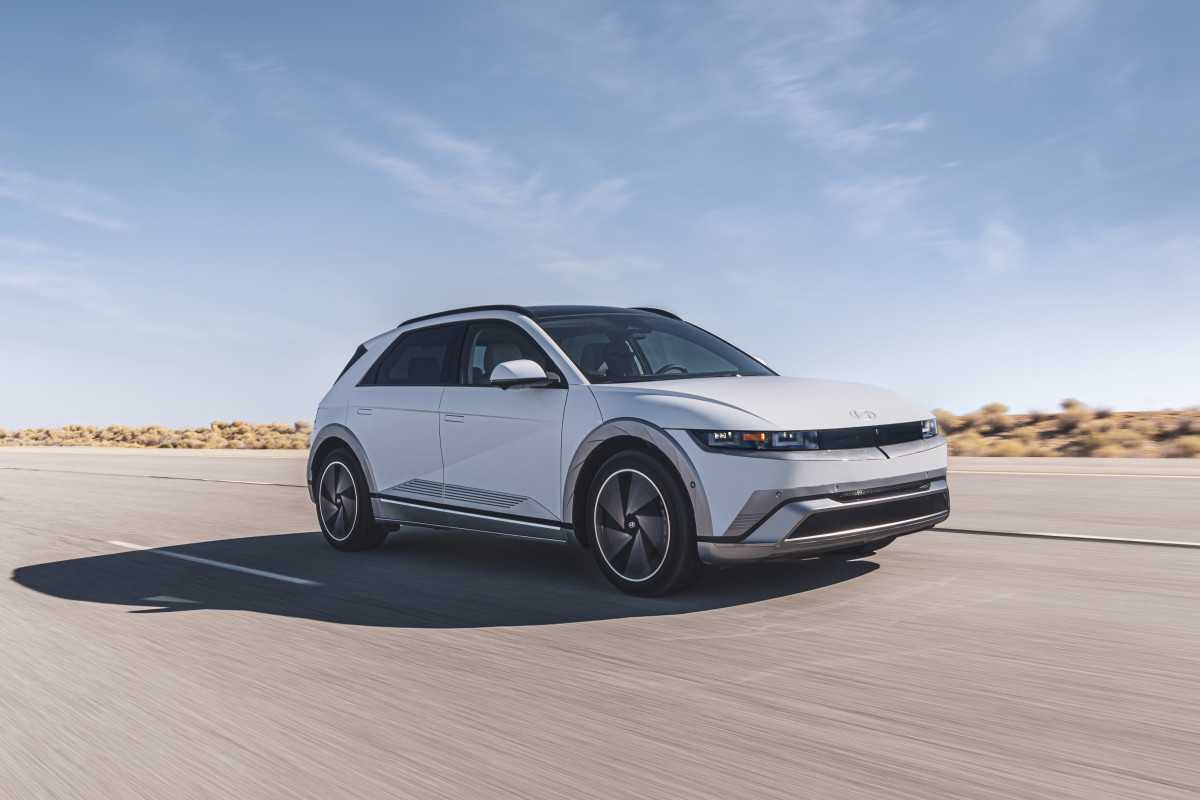
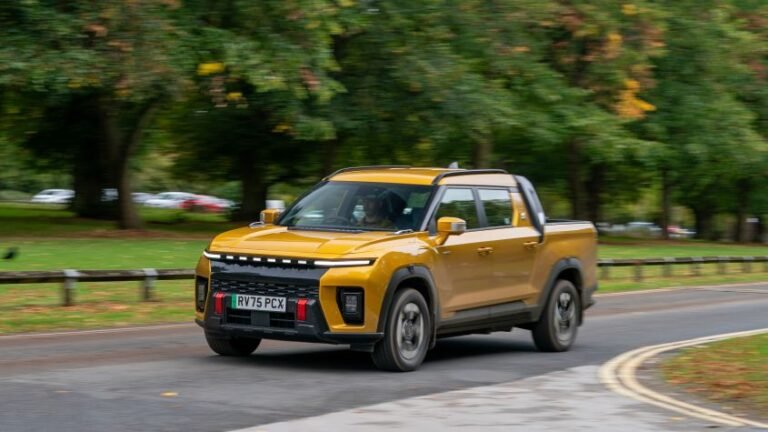
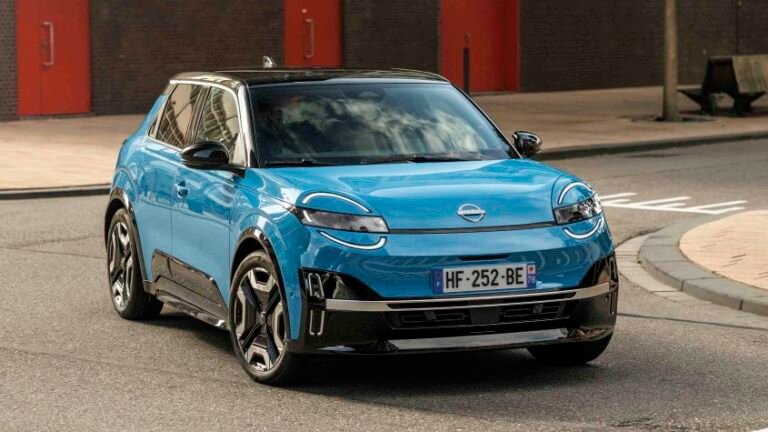
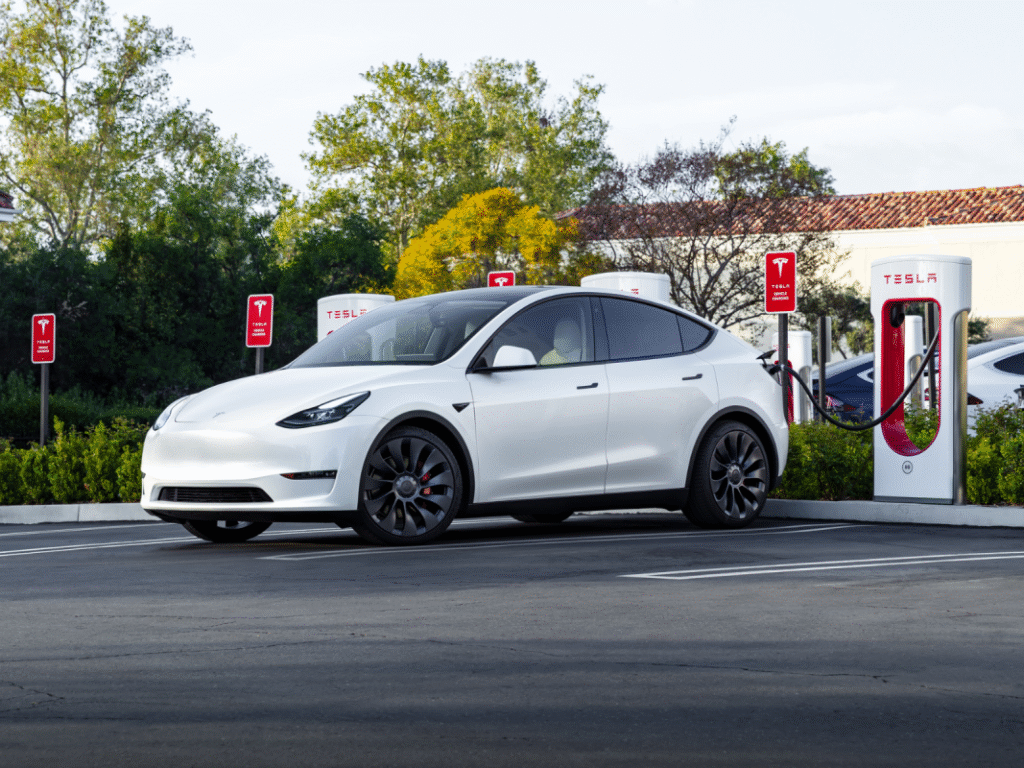
Last year, the current administration ended the $7,500 federal EV tax credit, which had been an important incentive for EV adoption in the U.S. Now, according to Reuters, the chair of the House Transportation and Infrastructure Committee is pushing to impose a $250 annual fee on EVs to help fund repairs to U.S. highways – a move that could further discourage EV ownership, especially as critics call the fee “unfair.”
This proposal comes as the current U.S. surface transportation law is set to expire on September 30, 2026. Speaking at a U.S. Chamber of Commerce infrastructure event, Representative Sam Graves said, “We would like to get money from EVs,” adding that he expects the next five-year bill to include $500 billion to $550 billion in funding for highways and bridges.
Kristen Brown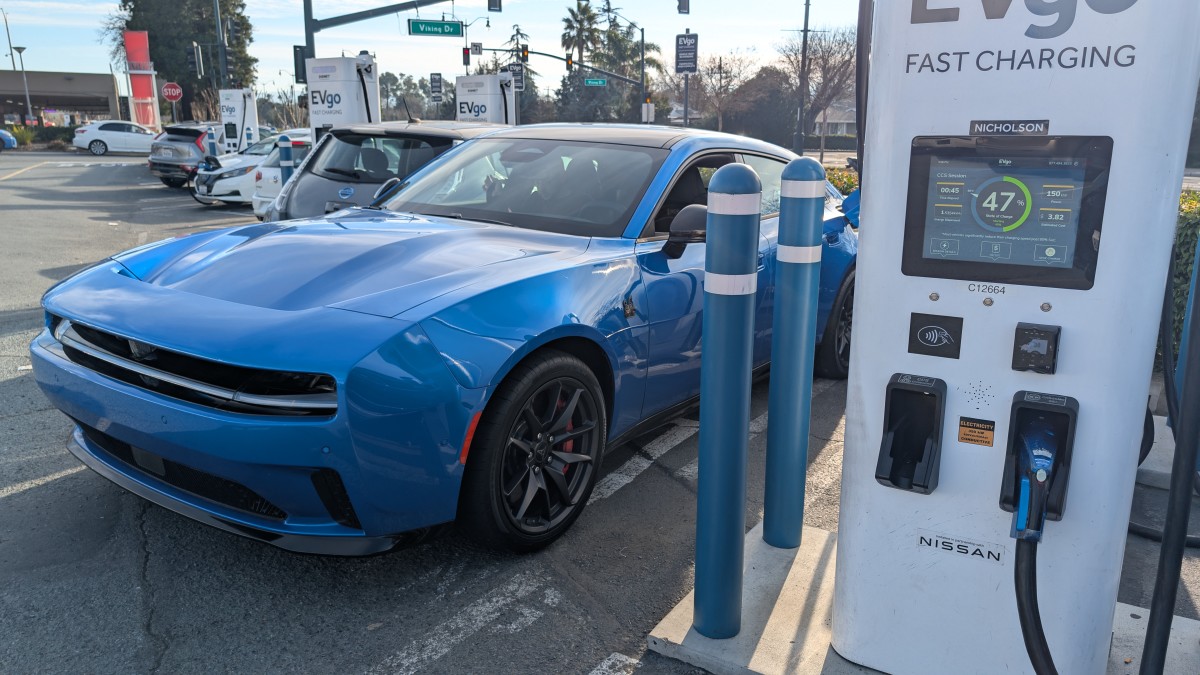
The Gas Tax Gap
One reason for the criticism is that gas-powered vehicles pay about $88 per year in federal fuel taxes. EVs, however, don’t use gasoline, meaning they aren’t subject to the taxes that help fund road repairs. Essentially, these zero-tailpipe-emission vehicles, like the Ford Mustang Mach-E, still use public roads without contributing to that specific funding source. The system is designed so that, as drivers buy more fuel and use the roads more often, they indirectly contribute more toward road maintenance costs.
The report noted that some states already charge fees for EVs to help cover road repair costs, though these vary widely—often ranging from $50 to over $200 annually in states like Texas. These, however, are used to fund state-level infrastructure, and the proposed $250 federal fee could stack on top of existing costs.
The Numbers Tell the Story
More than $275 billion, including $118 billion from the 2021 infrastructure law, has been moved from the general fund to help pay for road repairs since 2008. As more drivers began switching to electric vehicles in recent years, fewer people were paying federal gas taxes, adding to the pressure on the system.
However, some lawmakers say reaching a funding deal by September 30 could be difficult, especially with the November congressional elections approaching.
Hybrids, which use less fuel than traditional internal-combustion vehicles, are also being considered for a $100 annual fee. That could be significant, given that many buyers have shifted toward hybrids amid slower EV sales in the U.S. in 2025, with automakers like Hyundai and Toyota doubling down on their electrified lineups.