Editors’ Highlights are summaries of recent papers by AGU’s journal editors.
Source: Journal of Geophysical Research: Biogeosciences
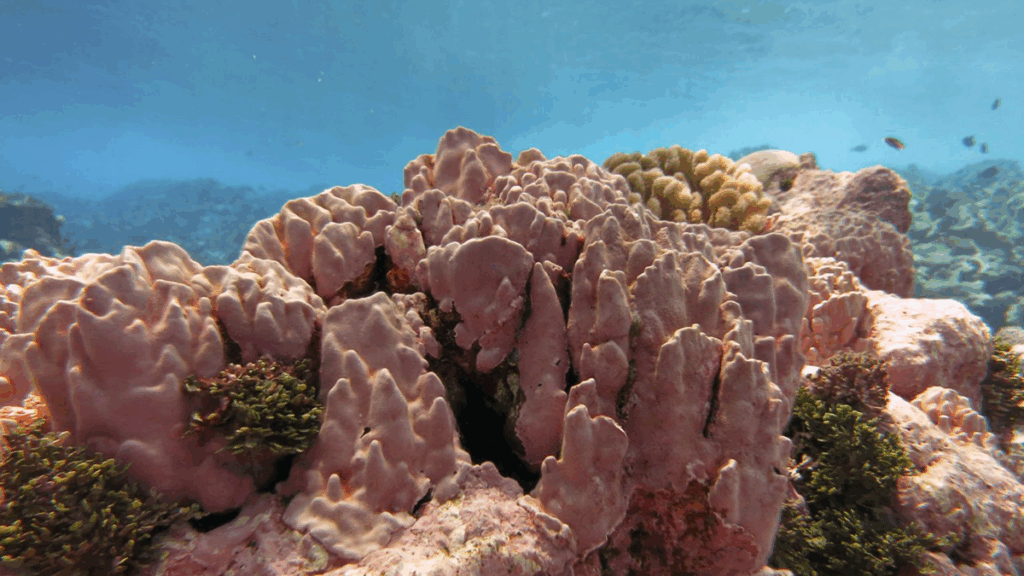
Ocean acidification is known to have major impacts on marine habitats under projected climate change. How vulnerable marine organisms in these habitats are to acidification largely depends on the variability of environmental conditions, such as pH, they experience naturally.
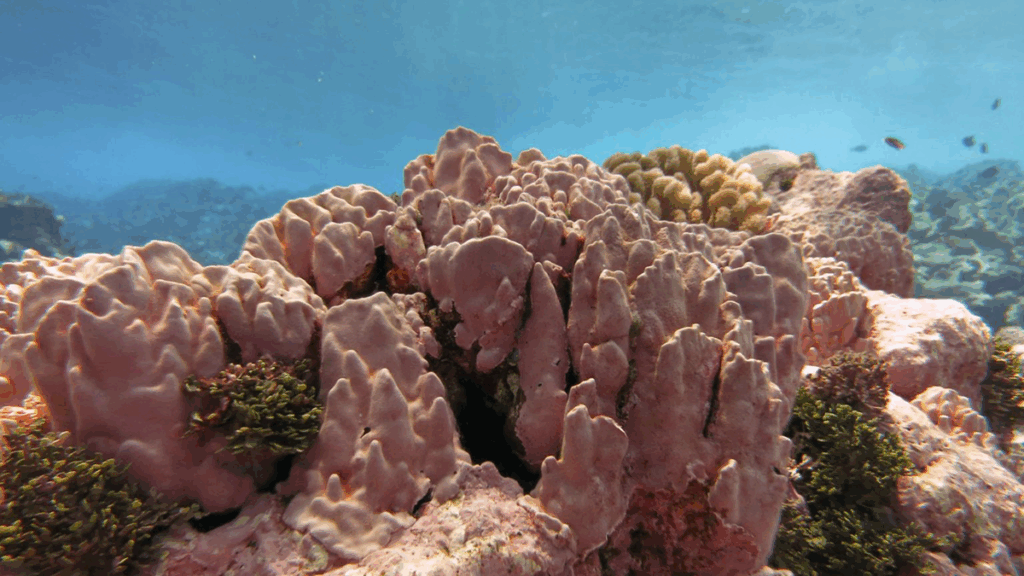
Burdett et al. [2025] provide precious time-series evidence that, unlike the open ocean, coastal ecosystems experience high natural environmental variability. For about two thirds of the year, the monitored coastal coralline algae reef was exposed to pH levels as low as those expected for the year 2100 under IPCC projections. The pH levels varied considerably throughout the day and between seasons, associated with biological activity, tidal cycling, and water temperature. Long‐term exposure to such low pH conditions and high variability may help coralline algal communities to adapt to future acidification, providing a level of optimism for the survival of this globally distributed biodiverse habitat.
Citation: Burdett, H. L., Mao, J., Foster, G. L., & Kamenos, N. A. (2025). Persistence of extreme low pH in a coralline algae habitat. Journal of Geophysical Research: Biogeosciences, 130, e2025JG009062. https://doi.org/10.1029/2025JG009062
—Xiaojuan Feng, Associate Editor, JGR: Biogeosciences

Text © 2026. The authors. CC BY-NC-ND 3.0
Except where otherwise noted, images are subject to copyright. Any reuse without express permission from the copyright owner is prohibited.