Honda Recentralizes Auto R&D
Honda will shift its automobile development operations back under its R&D subsidiary, Honda R&D Co., Ltd., effective April 1, 2026. The move reverses a 2020 reorganization that placed mass-production vehicle development within the parent company to streamline efficiency during a downturn. Honda is now prioritizing speed, integration, and creative autonomy as competition from Chinese automakers intensifies and next-generation technologies reshape the industry.
R&D functions from the Automobile Development Operations and the SDV Business Development Unit will be consolidated within Honda R&D. The company aims to create an integrated pipeline that spans advanced research, production model development, and market launch.
Honda believes this structure will improve responsiveness to market and technology shifts while restoring a culture of engineering independence. The financial pressure is significant. Honda’s automotive division posted a ¥73 billion, or $468 million, operating loss for the April to September 2025 period. Sales in China also fell 20 percent in 2025 as domestic brands strengthened their position.
H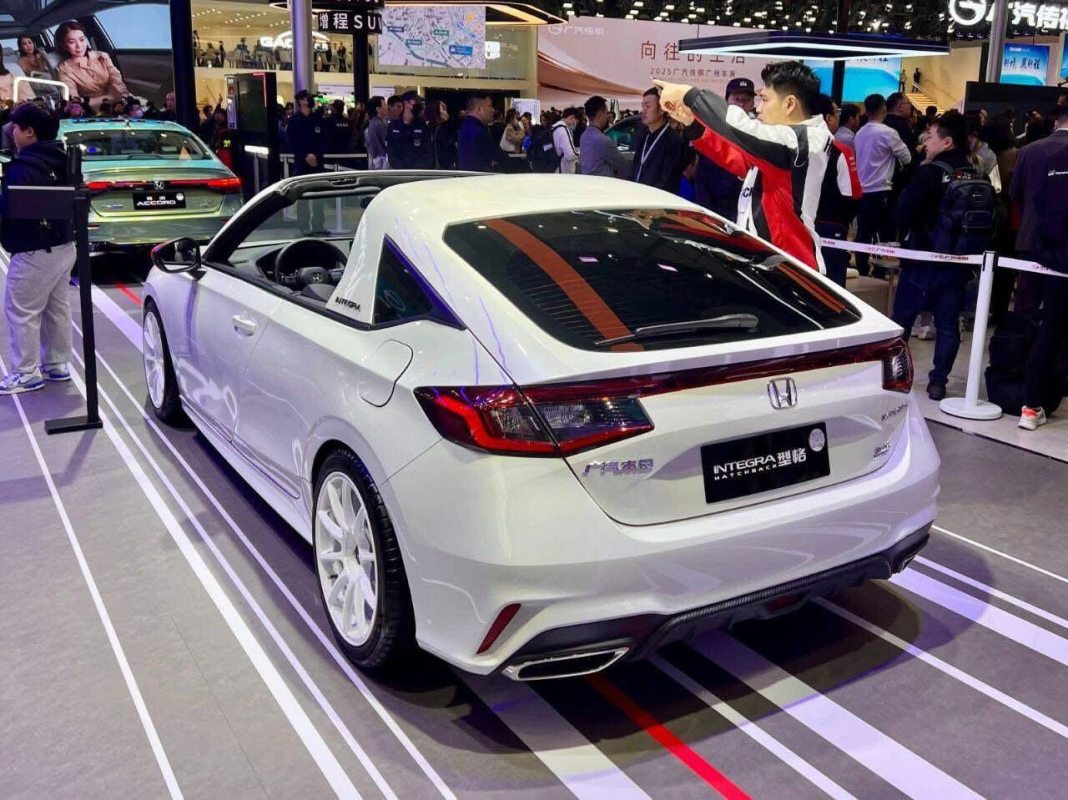
Learning From China’s Tech Playbook
Honda’s strategy reflects a broader shift across the industry. Western and Japanese automakers increasingly view China as a benchmark for technology. Ford has explored partnerships with Geely to improve competitiveness in Europe. The focus is on cost-efficient EV platforms and advanced digital integration. Toyota and Nissanhave also studied and adapted Chinese technologies to regain lost ground in China’s domestic market.
Some China-market Nissan models now appear more advanced than their global counterparts. This highlights how quickly development cycles and software integration have evolved in China. Chinese manufacturers control major portions of the battery supply chain and excel at vertically integrated software ecosystems.
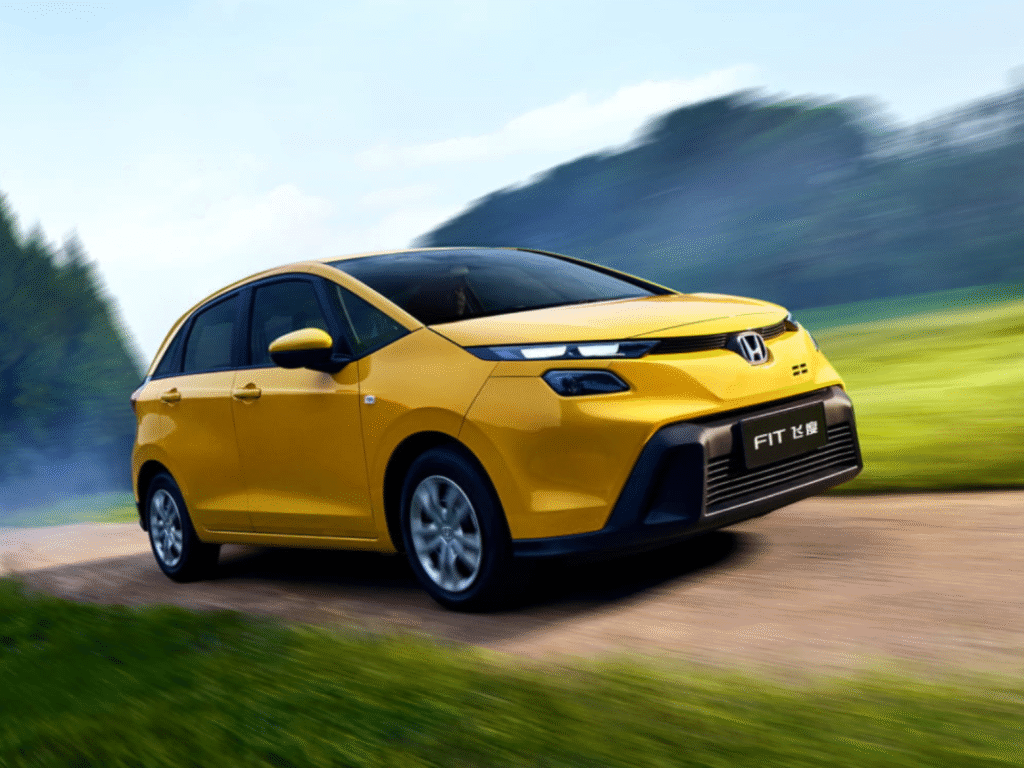
Honda has also gained insight through its Chinese joint ventures. Locally developed concepts and EV platforms demonstrate stronger user interface design and faster electrification timelines. By consolidating development under Honda R&D, the company is attempting to accelerate decision-making and restore technical distinctiveness.
Dongfeng Nissan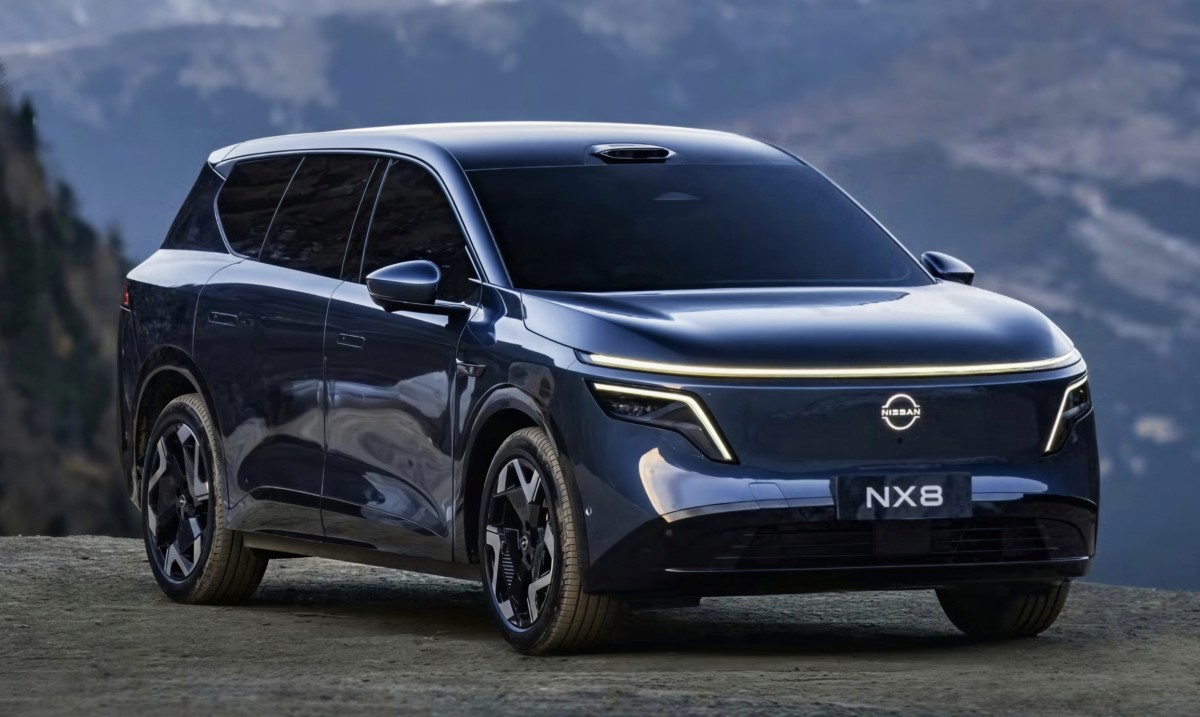
Regulation Slows Adoption, Not Change
Regulatory challenges complicate the adoption of Chinese-developed technologies in the United States. New federal rules are prompting automakers to remove Chinese-developed software from vehicles due to cybersecurity and national security concerns. These measures limit direct integration of Chinese codebases and digital systems into U.S.-bound products.
Adaptation does not require dependence. Many global automakers recognize that Chinese brands excel in rapid product development, aggressive cost control, and software-defined vehicle architecture. Honda’s restructuring suggests it understands that competing in the electrified and intelligent mobility era requires structural and cultural change. Geopolitical realities may restrict direct technology transfer into certain markets.
However, the broader lesson remains clear. Chinese automakers have redefined modern automotive execution. Companies that absorb those lessons while navigating regulatory constraints will be better positioned for long-term competitiveness.
China’s Ministry of Industry and Information Technology