China Signals a New Direction for EV Design
A Bloomberg report says China has officially banned the trendy flush-style car door handles often associated with Tesla’s electric vehicles, marking a world first. While talk of the regulatory change has circulated for some time, its formal adoption is now expected to have a meaningful impact on several automakers, particularly as the required redesigns could prove costly.
The report stated that a person familiar with the design process at a Chinese EV manufacturer said a redesign could cost as much as 100 million yuan (about $14.4 million) per model. Given China’s status as the world’s largest car market, automakers may have little choice but to abandon flush-style door handles and commit resources to redesigns – a change that could have knock-on effects across global vehicle lineups.
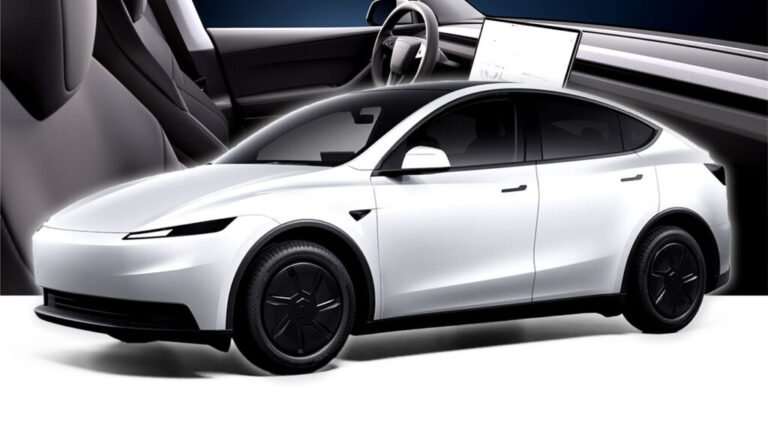
Tesla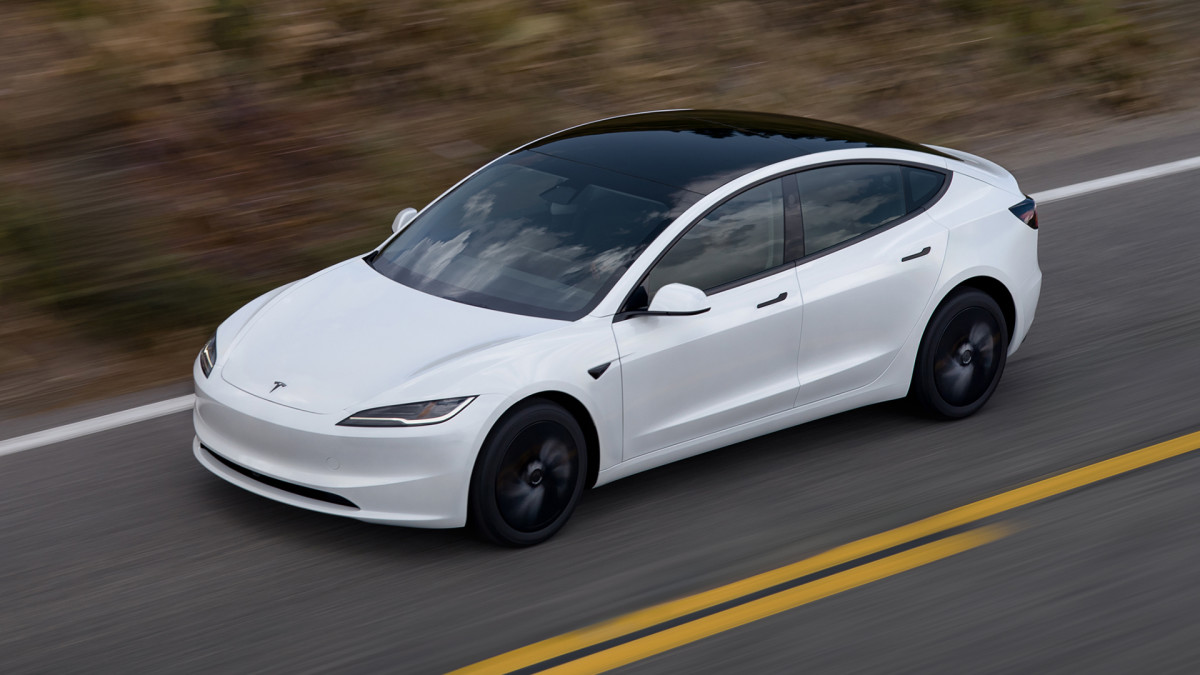
A Closer Look at the Compliance Standards
Under the new safety rules issued by China’s Ministry of Industry and Information Technology, vehicles must feature mechanical door releases accessible from both inside and outside the car, including traditional designs often likened to a telephone-style handle. Semi-hidden handles are also permitted, provided they include a recessed area measuring at least six centimeters by two centimeters (2.4 inches by 0.8 inches).
Automakers must also include signage no smaller than one cm by 0.7 cm (0.39 inches by 0.28 inches) in the cabin indicating how the door can be opened.
While these flush-style door handle designs can offer modest aerodynamic benefits – slightly improving efficiency and contributing to a sleeker appearance – they have raised safety concerns in crashes. In China, two deadly accidents involving Xiaomi-branded EVs were reported, with suspected power failures that may have prevented the doors from opening, trapping occupants as fires broke out.
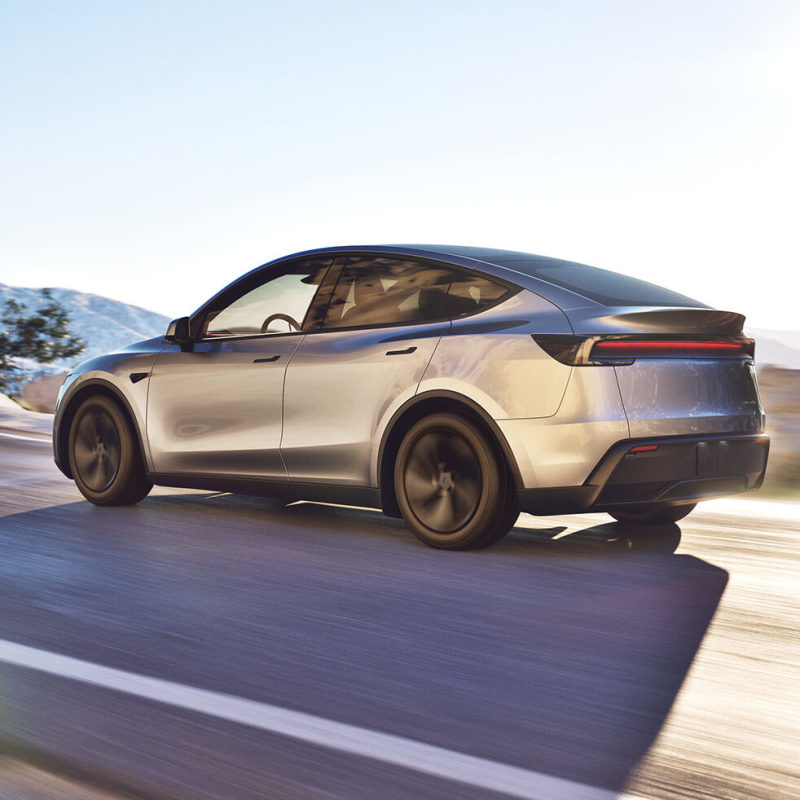
Tesla has reportedly been linked to at least 15 deaths in crashes where doors failed to open following impact or fire.
The Price of Playing in China
The ban on hidden door handles will take effect on January 1, 2027, though models with imminent launch dates in China that have already been approved by regulators will be granted a transition period until January 2029.
How automakers will respond to the new rule remains unclear. However, manufacturers choosing not to sell certain vehicles in specific markets due to differing safety regulations is nothing new. For example, Tesla does not sell the Cybertruck in Europe, as its wedge-shaped stainless-steel body has to be redesigned to comply with local safety standards.
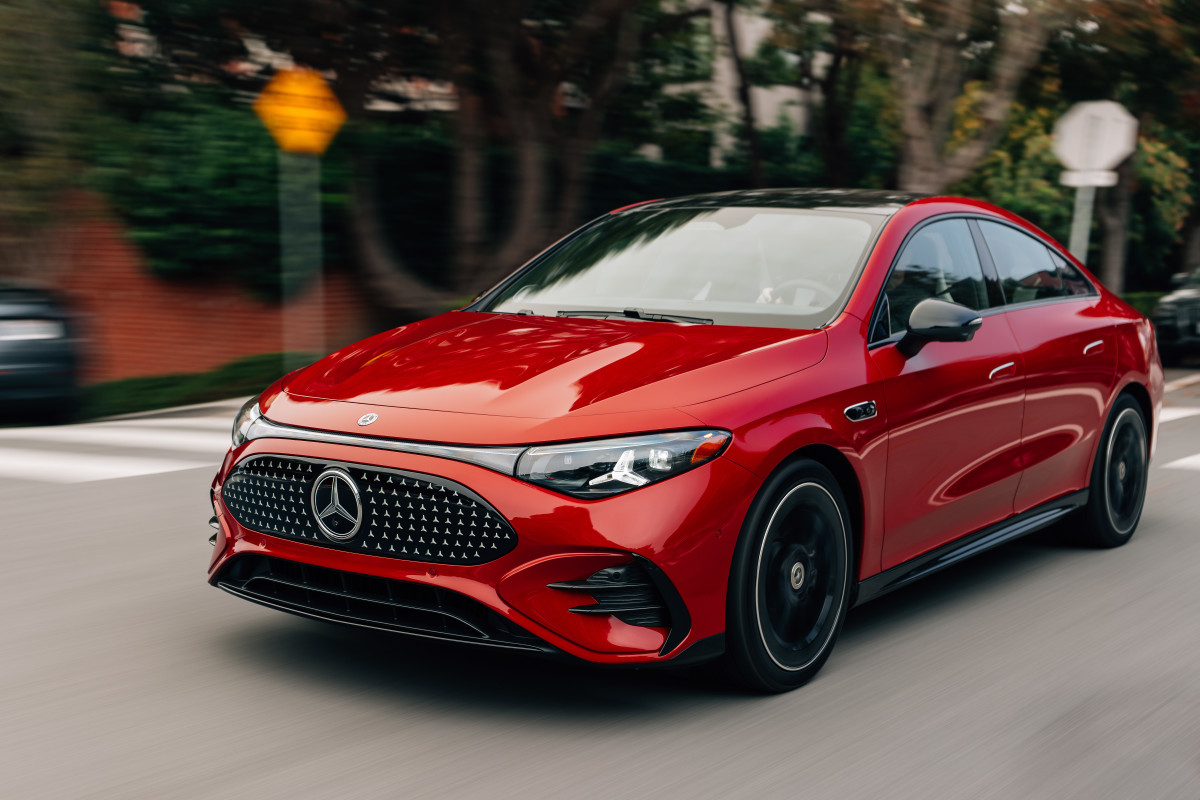
For now, the list of models sold in China featuring designs affected by the upcoming ban includes the new electric Mercedes-Benz CLA, Tesla Model 3, and BMW iX, as well as multiple offerings from domestic EV manufacturers.
Mercedes-Benz