Imagine your car is stolen. Overnight, you lose your ability to get to work, visit loved ones, or reach a hospital in an emergency. Years later, your car turns up in a different neighborhood. The new “owner” drives it daily. They even landed a better job, with a pay rise, thanks to their new, stolen ride. So, you contact the police and demand its return. But the current driver has conditions. They will only give your car back if you wash it regularly, drive it frequently, and build a secure garage with modern locks. Alternatively, they suggest you can borrow your own car for three years — but then must give it back to them. After all, they argue, they have more money, time, and expertise to take care of it. Absurd? Welcome to the British Museum’s understanding of justice.
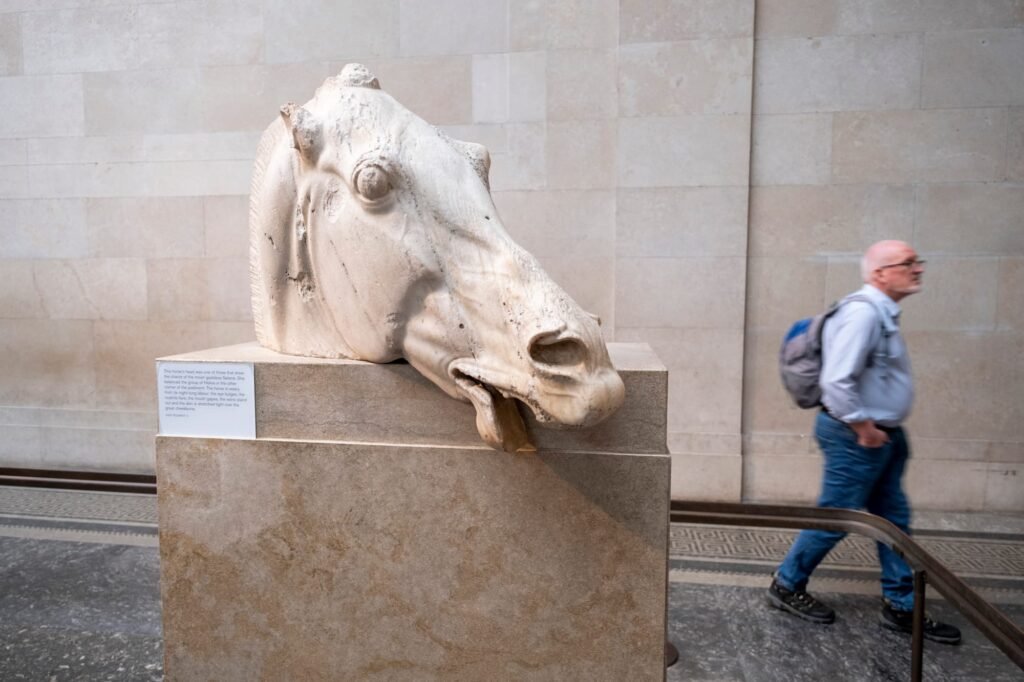
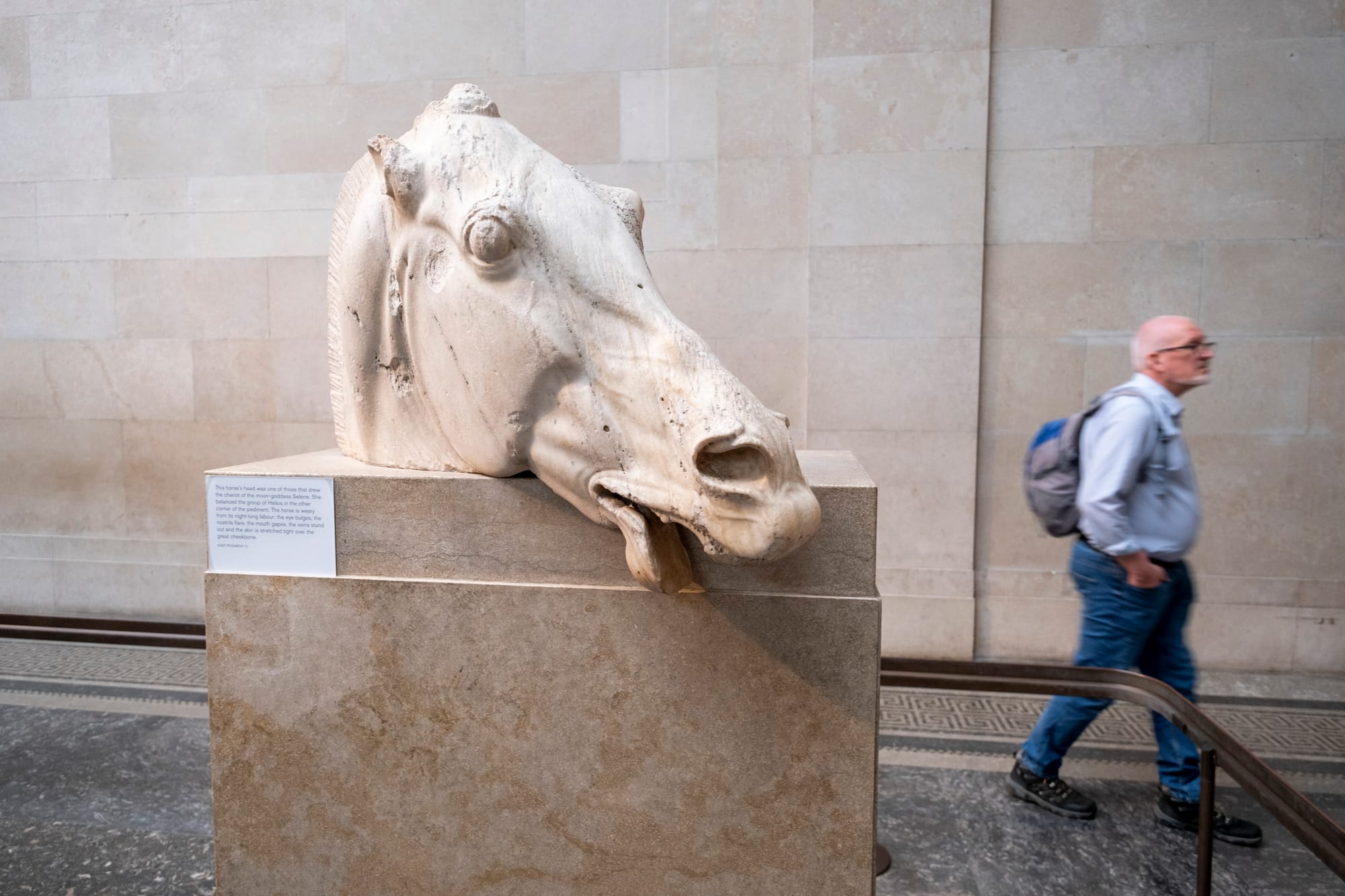
The British Museum houses one of the world’s largest collections of looted and stolen cultural heritage, much of it acquired during Britain’s imperial expansion. While museums across Europe and North America are increasingly engaging with repatriation claims, the London institution continues to hide behind the British Museum Act of 1963. This domestic law prohibits trustees from permanently disposing of collections except in narrow circumstances, a convenient shield repeatedly invoked to block meaningful returns under the guise of acting in the “public good.”
Similarly hypocritical is the museum’s loan policy, which refuses loans to exhibitions displaying stolen or illegally exported objects, while demanding guarantees — including immunity from judicial seizure — that any loaned object be returned. This stance is especially ironic for an institution long criticized for retaining and refusing to repatriate looted cultural objects.
As a result, the British Museum has increasingly become the subject of outrage and ridicule: an international symbol of imperial privilege and institutional stubbornness, where visitors “feel at home” because looted objects from almost every corner of the world are on display.
In its latest attempt to completely ignore societal progress — after hosting a tone-deaf gala earlier this year — the British Museum has now unveiled what its director, Nicholas Cullinan, calls an “innovative,” “new” long-term loans program to “decolonize” its approach. As the inaugural loan under the new program, the British Museum sent 80 Greek and Egyptian antiquities to the Chhatrapati Shivaji Maharaj Vastu Sangrahalaya (CSMVS) museum in Mumbai, India, last week. Cullinan told the Telegraph that the new model was “a much more positive one of collaboration rather than this kind of zero-sum, binary, all-or-nothing model that people put forward.” In reality, this model is neither new nor decolonial. It is a rebranding exercise that preserves colonial power structures while pretending to dismantle them.
“Cultural diplomacy, that’s what museums should do,” Cullinan added. “You don’t have to embarrass your own country to do something positive with another country.”
Long-term loans are not restitution. They do not acknowledge historical wrongdoing, nor do they restore agency to source communities. Instead, they reinforce a museum’s claim of ownership over objects it has no moral (and often legal) right to possess. Under this model, formerly colonized nations must ask permission to temporarily access their own heritage, accept conditions dictated by a British institution, and bear the financial and logistical burdens of care, while the museum retains ultimate control.
Decolonization cannot be conditional. It cannot operate on the assumption that Western institutions are the most competent custodians of non-Western heritage. Nor can it coexist with legal frameworks designed to protect the spoils of empire. A loan feigns generosity; restitution recognizes justice. The two are not interchangeable.
If the British Museum were serious about decolonization, it would use its considerable influence to advocate for legislative change rather than clinging to outdated laws. It would collaborate with origin communities as equal partners, centring their voices in determining what should happen to their own cultural heritage, restoring access, agency, ownership and interpretative authority. This requires a fundamental reimagining of the museum’s mission, prioritizing transparency, shared decision-making, and justice.
The 21st century demands more than symbolic gestures and semantic gymnastics. It demands accountability. Until the British Museum confronts the realities of restitution, its claims of progress are just another carefully curated façade concealing an unresolved colonial legacy.