
BMW has never been shy about doing things its own way. Sometimes that results in clever solutions, like gaining access to Tesla’s Supercharger network. Other times, it produces ideas that sound brilliant on paper but prove far less friendly in the real world, like the glorious but famously temperamental S85 V10. BMW’s latest screw patent leans firmly toward the latter. While the new screw head design is undeniably clever and unmistakably BMW, it appears purpose-built to keep ordinary owners well away from working on their own cars. What makes this more frustrating is that the competition is moving in another direction. Mercedes-Benz, for example, has recently spoken about redesigning future vehicles to be easier to repair, not harder.
A Screw Only BMW Can Turn
World Intellectual Property Organization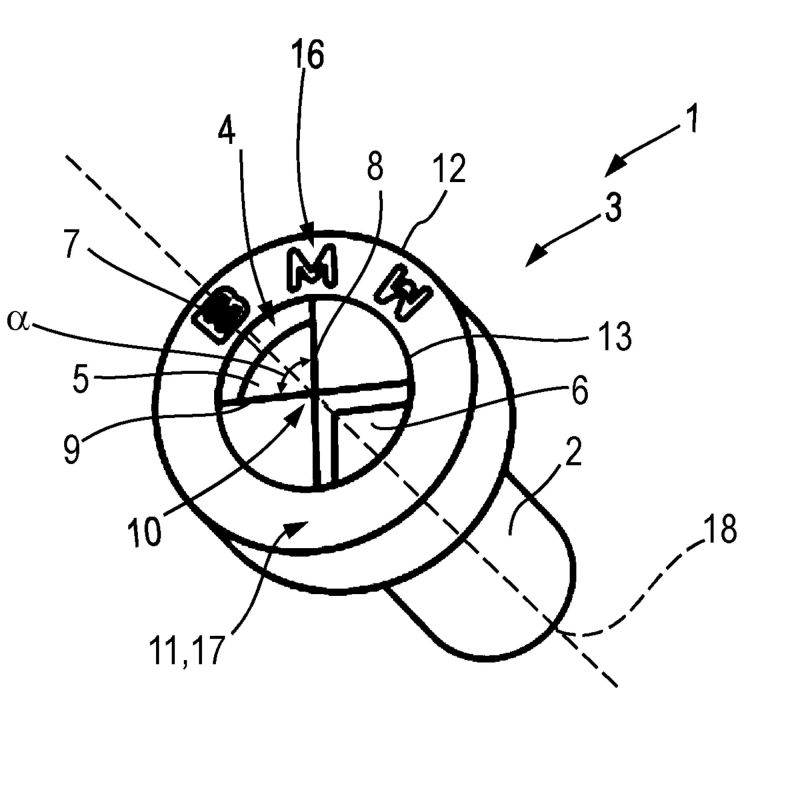
Instead of a Torx, hex, or any other recognisable screw head, this one is shaped like BMW’s roundel. Two quadrants are cavities to accept a matching driver, while the other two remain flush, creating a pattern that standard tools simply cannot engage with. As a final flourish, the BMW logo is embossed around the edge of the screw head, just in case there was any doubt about who owns this particular headache. From a design perspective, it is actually quite cool. It is distinctive, brand-specific, and visually appealing enough to be used in areas where fasteners are normally visible. That tracks with a company that obsesses over aesthetics, spending nearly $35 million on a shop for individualized paintwork.
Where BMW Plans to Use It
BMW
Based on the patent details, these screws are intended for structural and semi-structural applications. Think seat mountings and areas where the interior meets the body. Instead of showing off its design, these are high-torque fasteners in locations that already demand proper tools and experience. However, that may still change in the future. BMW also outlines several variations of the design, including socket heads, flat heads, and round heads. In theory, that opens the door for this not-so-user-friendly fastener to appear in a wide range of places. While BMW can argue that this is partly about design consistency, the patent itself makes the real goal clear: preventing loosening or tightening with common tools by unauthorised persons. In practical terms, that means you, your local garage, and your trusted independent mechanic, unless they are willing and able to source a very specific BMW-only tool.
Screwed Out of Avoiding The Dealer
BMW
By locking basic mechanical access behind hardware hurdles, BMW is drawing an even thicker line between owners and their cars. DIY jobs become harder, and independent workshops face yet another obstacle when servicing newer models. Something as simple as removing a seat could suddenly turn into a compulsory dealer visit. While brands like Ferrari are innovating with radical oval piston concepts that could reshape the internal combustion engine as we know it, BMW is coming up with ways to milk their clientele for even more money. On the bright side, this design exists only on paper. Patents do not always make it to production. It’s clever engineering, no doubt. But for anyone who still enjoys working on their own cars… they’re screwed (pun intended).

