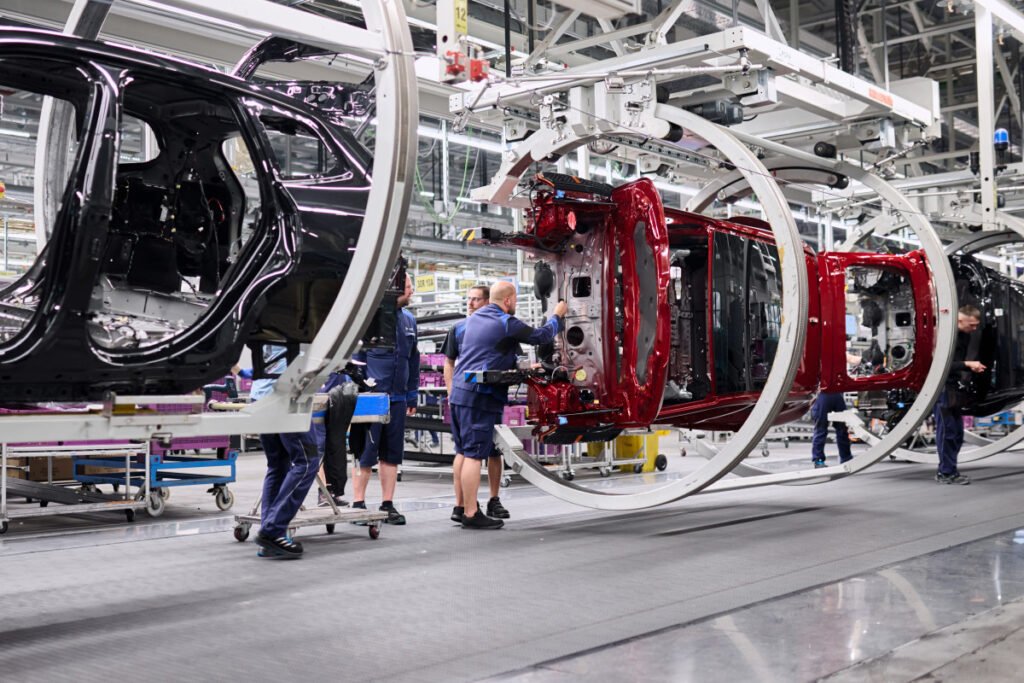
BMW Group’s Regensburg plant is marking its 40th anniversary with a production record, highlighting how one of its longest-running European sites has scaled into a high-volume hub for the brand’s compact SUVs.
BMW says the plant built 356,901 vehicles in 2025, a new annual high that also makes Regensburg its highest-volume vehicle plant in Europe.
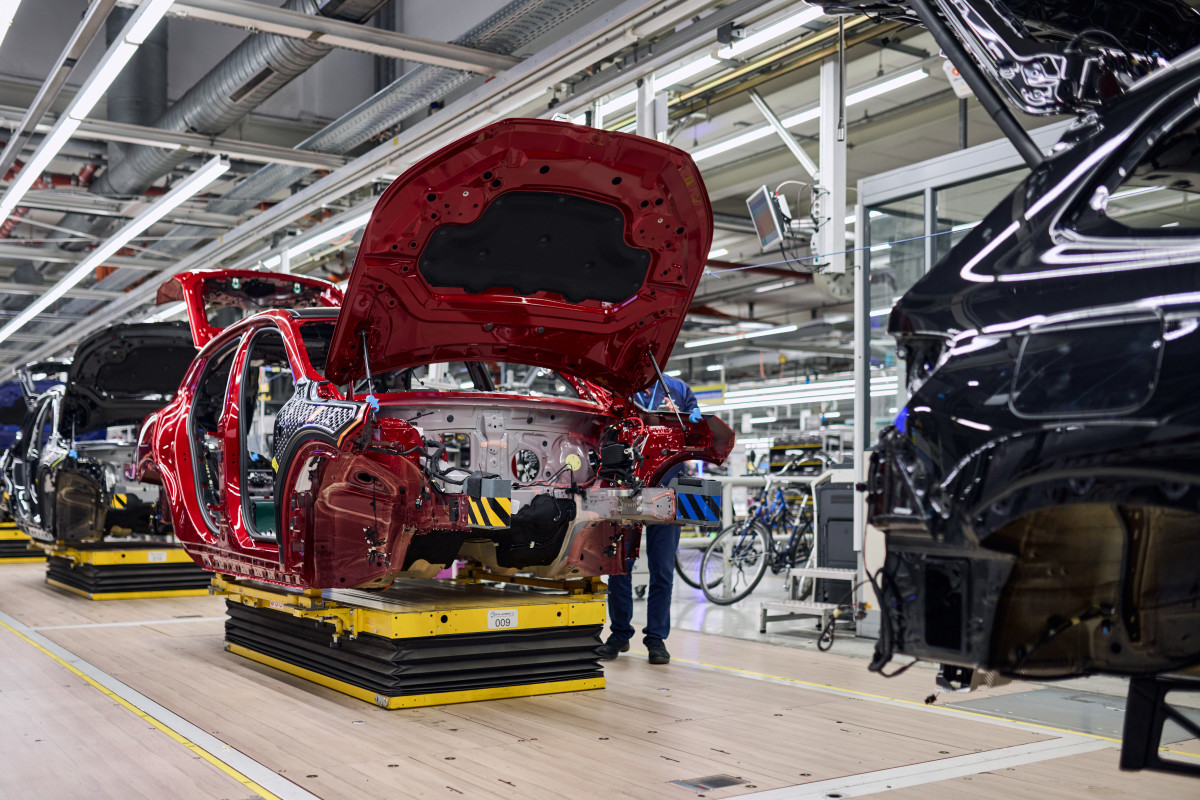
Record Volume And What The Plant Builds
Regensburg currently produces the BMW X1 and BMW X2 on a single mixed-powertrain line, which means internal combustion, plug-in hybrid, and fully electric variants move down the same assembly flow. BMW says a vehicle leaves the line every 57 seconds, which it equates to more than 1,400 vehicles per workday across three shifts. Of the 2025 total, BMW says more than 150,000 were electrified, meaning either plug-in hybrid or battery electric.
BMW also broke out model mix, saying the X1 accounted for more than 266,000 units in 2025, while the X2 made up more than 90,000. On distribution, the company says more than 55,000 vehicles stayed in Germany, more than half went to other European countries, and more than 100,000 were shipped overseas. BMW says total production since the plant opened has reached 8.7 million vehicles, and it expects to build the nine millionth vehicle at Regensburg during 2026.
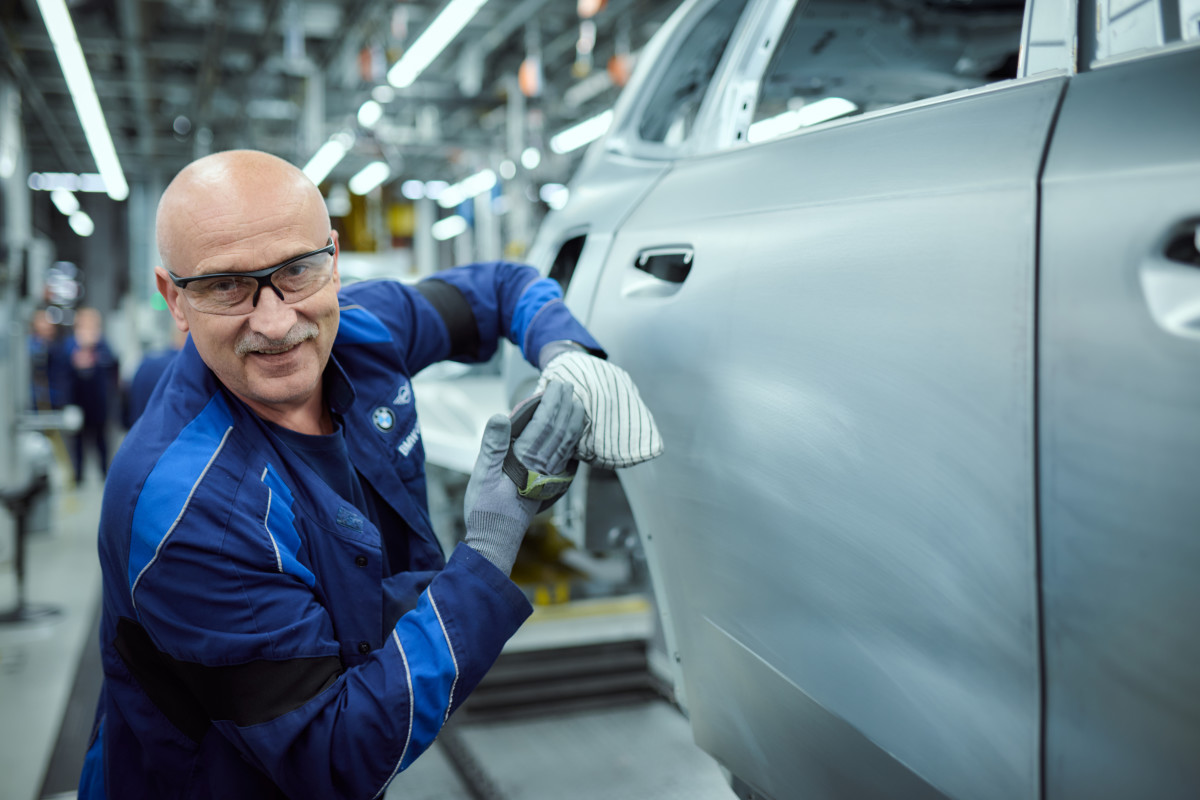
Efficiency, Automation, And AI On The Line
BMW is using the anniversary and record output to spotlight factory modernization. The company says plant costs have been reduced by more than a quarter since 2019 through efficiency programs. It also points to AI use in areas like paint shop surface processing and assembly quality checks, along with a cloud-based parts supply “traffic control” system aimed at stabilizing logistics in a fast-moving production environment.
BMW adds that since early 2025, new vehicles can drive themselves without a driver from the assembly line to the loading area, a detail meant to signal how far internal automation has progressed beyond traditional robotics.
How It Fits BMW’s Current Moment
The Regensburg story lands while BMW is working through a broader brand update that touches both production and public identity. Small changes, like the shift to a refreshed badge design, are starting to roll out across new builds.
At the same time, the company is balancing high-volume SUV demand with its performance future. For buyers focused on today’s lineup, the brand’s strong SUV mix also keeps attention on pricing and monthly payments for higher-end models too.


