BMW rethinks long-range power
BMW may be ready to revive an idea most people assumed the industry had left behind: the range extender. The German automaker is reportedly exploring whether to add small gas engines to some of its largest electric vehicles, turning them into extended-range EVs (EREVs) that rely primarily on battery power but carry an onboard generator for long-distance confidence.
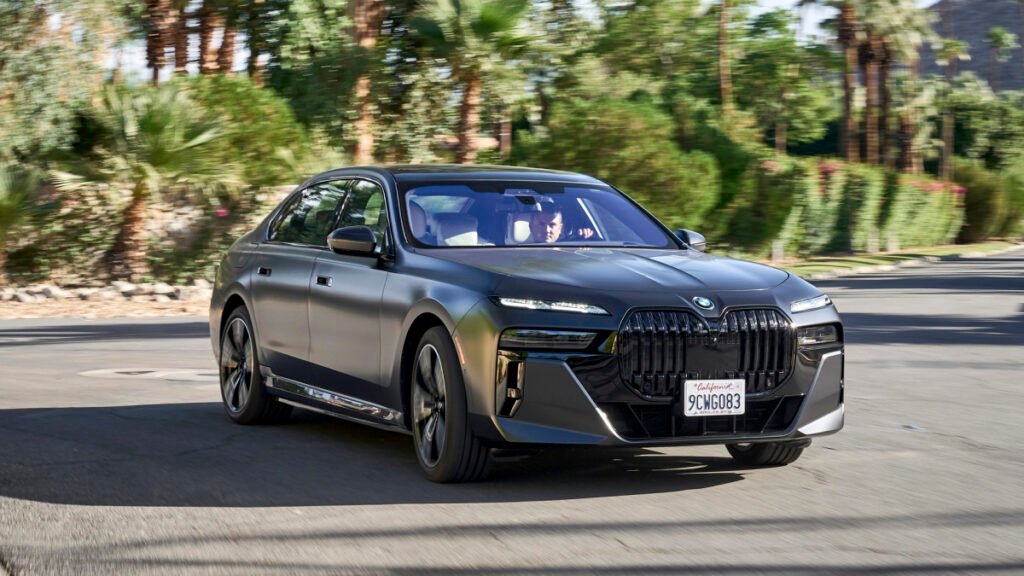
According to reports from Bloomberg and additional industry chatter, BMW is studying EREV versions of the i7 luxury sedan and the upcoming iX5 electric SUV. Their size makes them prime candidates for this kind of setup, as both models offer enough room to package a small engine without cutting into cabin or cargo space, and BMW already builds the key pieces needed to make it work.
That last point is important. Unlike automakers that would need to spin up an entirely new supply chain, BMW already produces batteries, electric motors, transmissions, and the small three- and four-cylinder engines that would likely serve as range-extender generators. That means BMW could develop and launch an extended-range system without massive new investment.
Why range extenders are back
It might feel like déjà vu. A decade ago, BMW’s i3 offered an optional range-extender engine, but the idea faded as battery costs dropped and fast-charging networks grew. Now, though, the formula is finding fresh traction — especially in China, where companies like BYD have leaned heavily into EREVs and seen strong sales as a result.

BMW
U.S. interest is climbing, too. Scout says more than 80% of reservations for its upcoming Terra pickup and Traveler SUV are for the EREV version rather than the fully electric one. Ram scrapped its all-electric 1500 and pivoted entirely to a V6-powered range-extender model. Jeep confirmed that the 2026 Grand Wagoneer will follow the same path, and Hyundai has a similar setup in the works for the Santa Fe.
These vehicles appeal to a specific kind of buyer: someone who wants to drive electric most of the time but does not want to map out charging stops on long road trips or rely on a public charging network that remains inconsistent between regions. A small gasoline engine that fires up only to recharge the battery — not to drive the wheels — can largely solve that problem.
China is the big prize
While BMW may see opportunity in the U.S., China is likely the true driver behind the move. Range-extended EVs have become wildly popular with Chinese buyers, especially in large SUVs and luxury sedans.

BMW
BMW, like many global automakers, has increased its efforts to build vehicles tailored specifically to the region. Offering an EREV version of its flagship EVs could help the company win back market share from fast-rising domestic brands.
Final thoughts
BMW hasn’t confirmed any production plans. A company spokesperson said only that it is “continuously analyzing usage patterns, customer needs and market developments” as it evaluates different technologies. But if BMW greenlights the project, it would become the first German automaker to return to the range-extended formula — and it could nudge competitors to follow.
For now, BMW is simply testing the waters. But the idea of big electric BMWs backed by tiny gas engines suddenly doesn’t seem far-fetched at all.