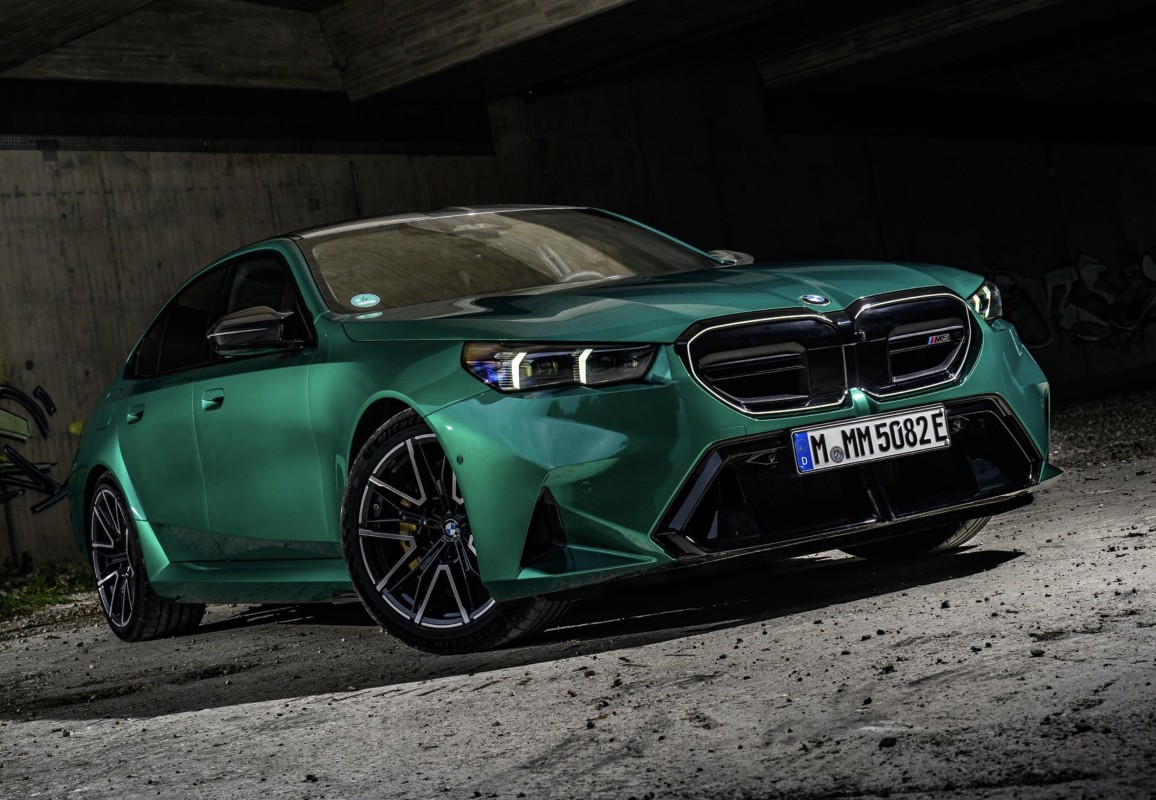
More is more—that’s generally the policy when an automaker updates one of its high-performance models. More power, more speed, and unfortunately, more weight in many instances. But BMW’s newly announced spring 2026 updates for the iconic M5 sedan go in the opposite direction. The company announced a surprise 41-horsepower reduction in output for the mighty M5’s 4.4-liter twin-turbocharged V8, as part of revised drive technology for the brand’s top plug-in hybrids. New emission standards are to blame for the change, but thanks to the wonder of electrification, the M5’s performance is unchanged. Here’s what’s going on.
BMW Prepares For Euro 7 Emissions Standard
BMW
New Euro 7 emission regulations are set to be introduced in the EU from 2027, but BMW is preparing for it ahead of time. Euro 7 will introduce even stricter emission requirements for new vehicles, including a 35% reduction in NOx emissions from cars and vans and a greater focus on emissions during real-world driving conditions.
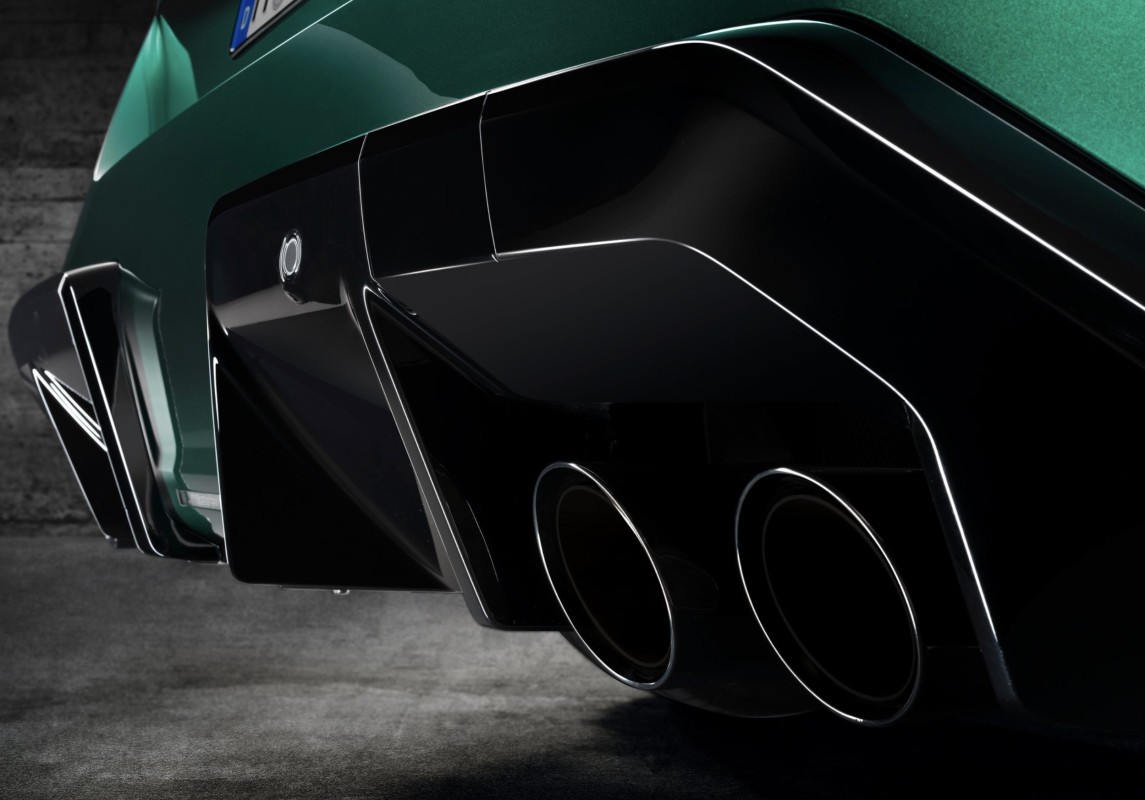
High-performance vehicles with big, powerful engines are bound to be affected most, which is why BMW has introduced optimized drive technology for the M5. This change will come into effect from March 2026 and focuses on the M Hybrid system’s V8. Optimized engine control, enhanced exhaust re-treatment, and the use of the Miller combustion process are some of the changes to be made. As a result, the V8’s standalone output goes from 577 to 536 horsepower.
However, BMW was able to compensate for this drop in output with optimized software for the electric drive system, so the M5’s combined output stays at 717 hp. That should keep the 0-60 sprint time to 3.4 seconds, despite the car’s hefty curb weight of 5,390 lbs.
The BMW XM Label, which also has a 4.4-liter twin-turbo V8 plug-in hybrid powertrain, will also introduce the Miller cycle. As with the M5, its combined peak output of 738 hp remains unchanged.
For now, these changes are not confirmed for US-spec M5s, but even if they are, the sedan’s performance remains unchanged.
Related: BMW M Will Do Anything To Keep Straight-Sixes Singing And V8s Roaring
Will Euro 7 Regulations Affect Americans?
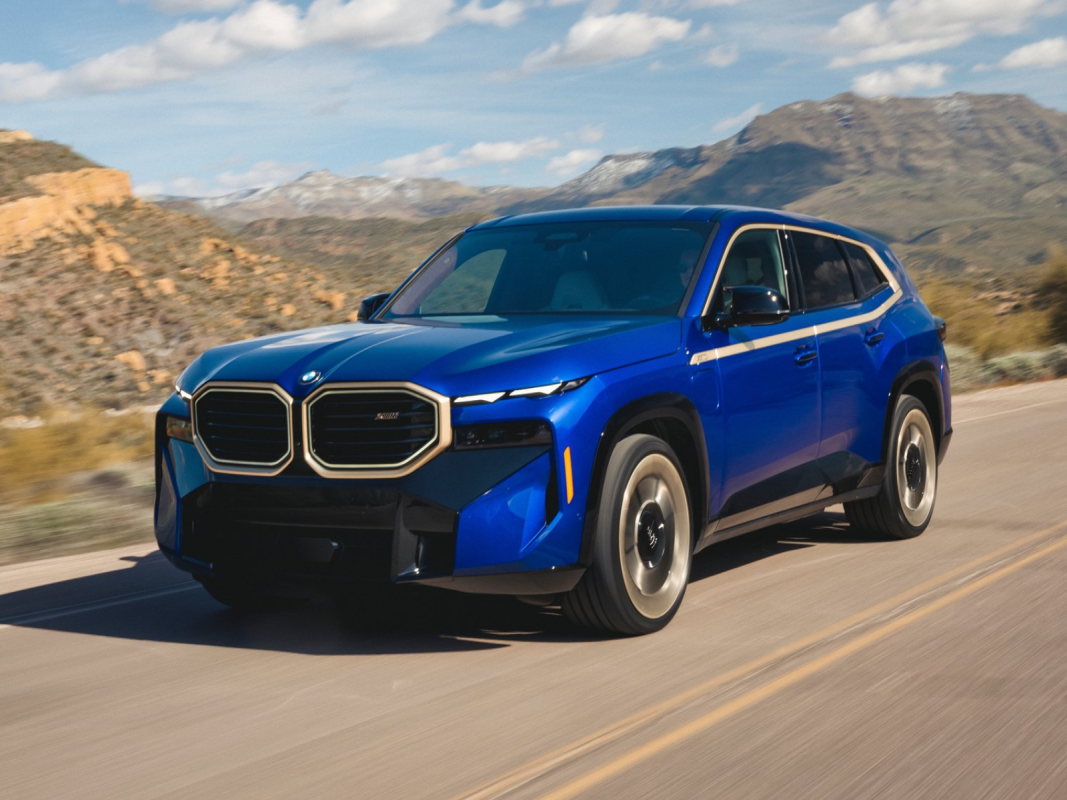
Vehicles in the United States are not subject to the same limitations of Euro 7 standards, although there are many states with more stringent emissions regulations than others. However, since many brands develop models for global markets with the same specifications—the M5 we get here is virtually identical to the one sold in Europe—many of the changes introduced on the other side of the pond may filter through to vehicles sold here. Developing different versions of the same car for different markets could prove complex and expensive.
In the case of the M5 and XM, their advanced plug-in hybrid systems allowed BMW to retain the same combined output, despite the more emission-compliant V8s. But this won’t necessarily be possible in high-performance vehicles without such a hybrid system.
B
On the other side of the price spectrum, budget cars will also be affected by Euro 7 regulations, as the costs associated with adding advanced emission control equipment to these models threaten to make them less profitable for automakers and pricier for consumers. Heavy EVs will also be under the microscope when the new rules are implemented, as non-exhaust emissions from tire particles and brake dust will also be addressed.
For enthusiasts, the new emissions rules threaten the continued production of some of the most exciting cars around. They will also make developing new ones more challenging, especially without resorting to hybridization.