The Honda-Isuzu Exchange Program
Back in the early ’90s, Honda and Isuzu needed something from each other. At the time, Honda didn’t have anything to compete with in the growing SUV market. On the other hand, Isuzu needed to bolster its passenger car lineup. Seeing that a partnership would be mutually beneficial, the two got together in 1993 to rebadge each other’s models.
Perhaps the most well-known fruit of this partnership was the Honda Passport. Essentially a rebadged Isuzu Rodeo, it lived long enough to be sold until 2002. Then there’s the Acura SLX and Honda Horizon, both being Isuzu Troopers running different aliases. On the other hand, Isuzu took the fifth and sixth-generation Honda Accords and called them Aska in Japan, the Odyssey was also sold as the Oasis in the U.S, the Integra SJ became the Vertex in Thailand, and the Domani/Acura EL was rebadged as the Gemini.
Honda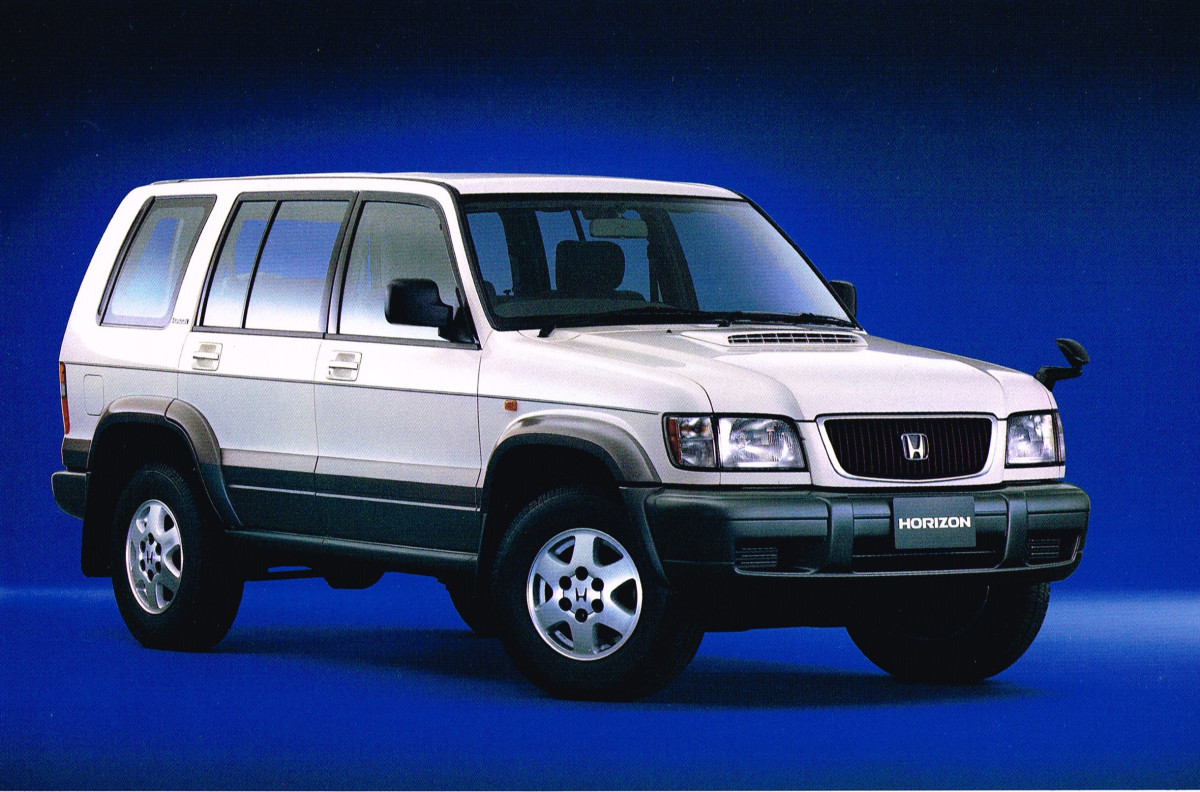
Meet the Tourmaster
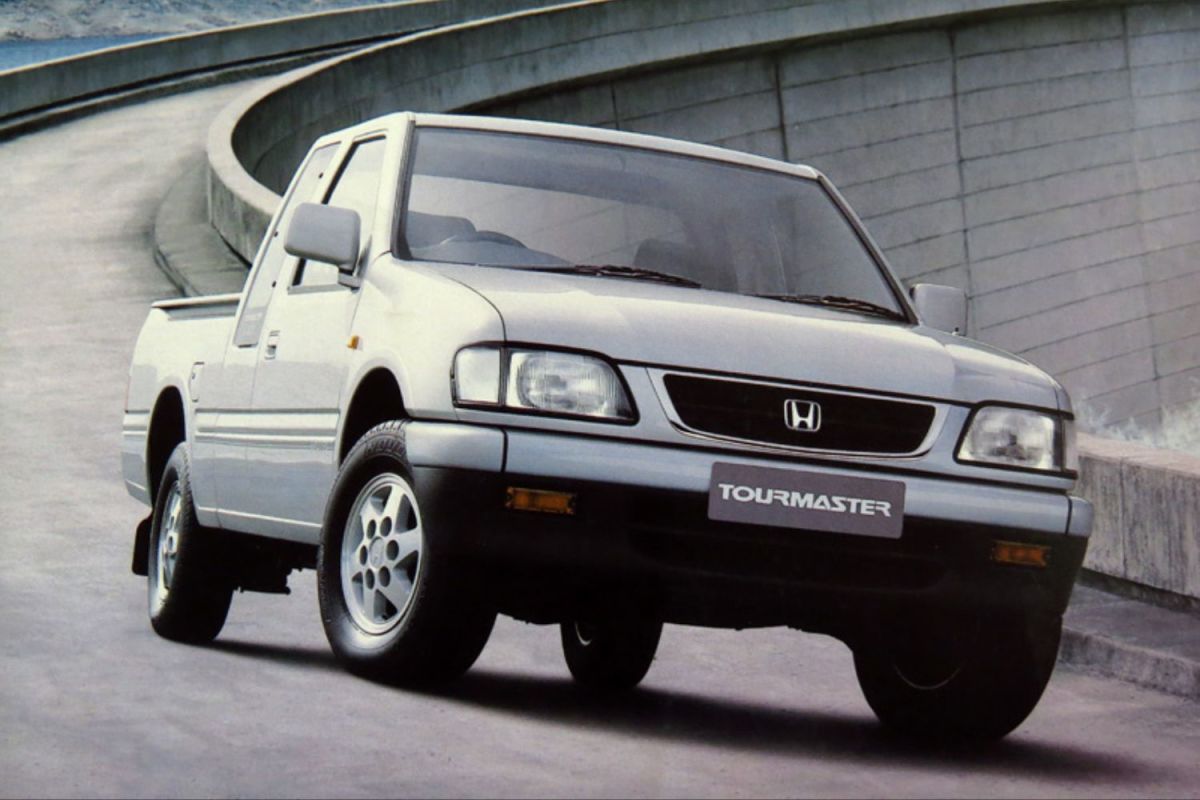
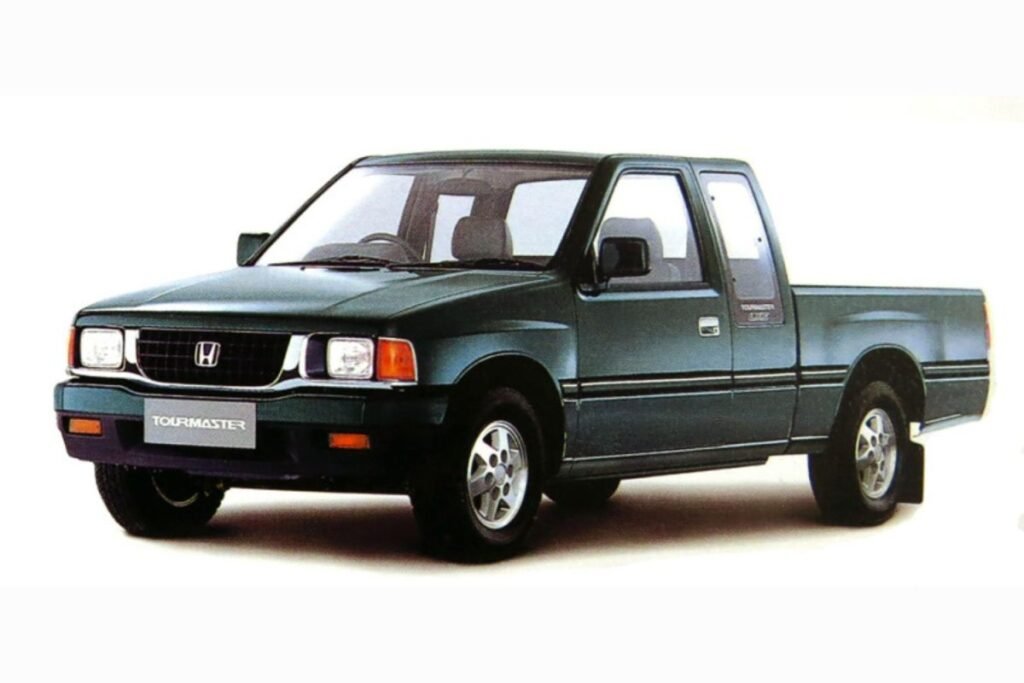
But among those mentioned, perhaps the most obscure product would be the Tourmaster. It was only sold in Thailand from late 1996 to 1998, and it was an Isuzu Pickup (called TFR over there) with an H badge slapped on the grille. Ridgeline, meet thy father.
In terms of competition, the Tourmaster was up against its own sibling, the Isuzu TFR. There was also the Mitsubishi Triton, which you probably know better as the Mighty Max. It also had to face off against the Nissan Hardbody, known as the Big M in Thailand. Of course, its biggest challenge would be the Toyota Hilux.
Honda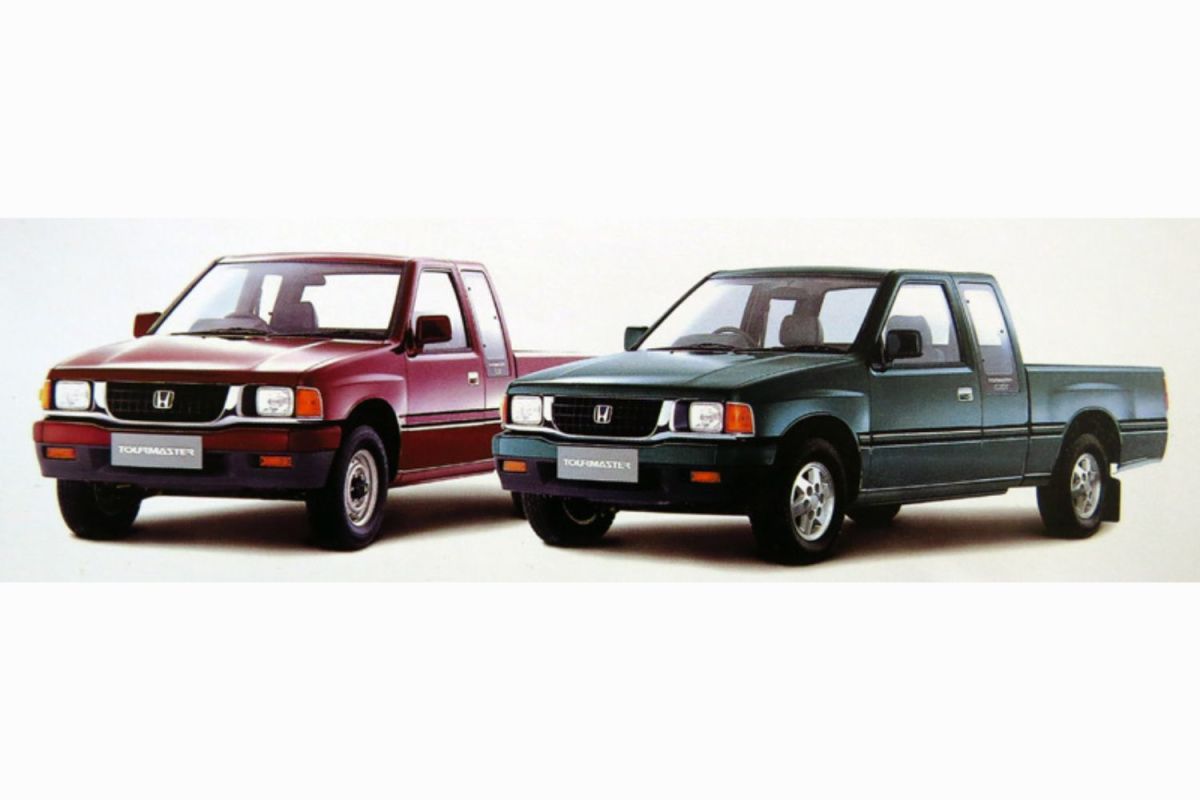
The Specs
The Honda Tourmaster was available in two trims, namely LX (base) and LXS (top). There was only one body style offered, called the SpaceCab, which was Isuzu-speak for extended cab. Save for the badges, it was a carbon copy of the TFR inside and out.
The same was true of the sole powertrain choice, too. The pickup used a 2.5-liter naturally-aspirated diesel that mustered 89 hp and 127 lb-ft of torque. A turbodiesel was added later, although power dropped to 78 hp, torque rose to 130 lb-ft. That was due to the tighter emissions rules that were set in place in 1997. You could have any drivetrain you wanted, as long as it was a five-speed manual and rear-wheel drive. Mind you, the Isuzu was available with four-wheel drive.
Honda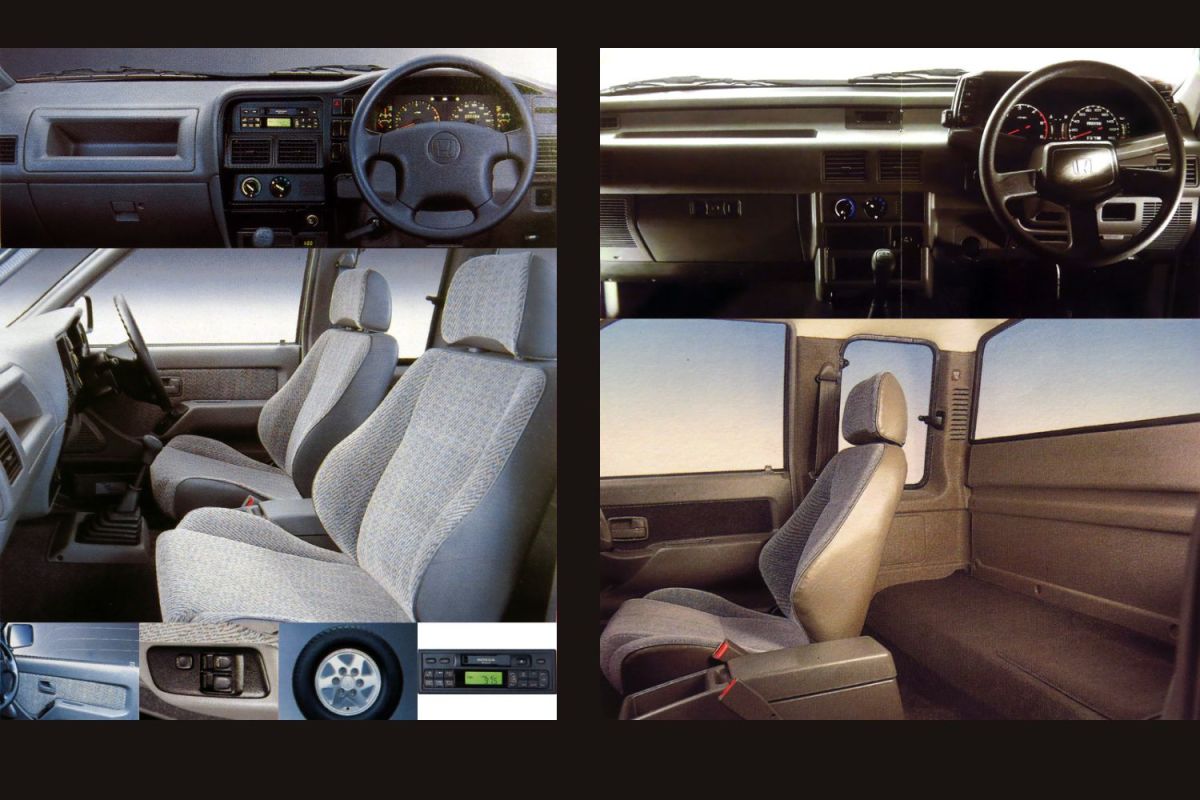
Inevitably, it Flopped
Like most models in the Honda-Isuzu partnership, the Tourmaster failed to meet sales expectations. According to Thai publication Headlightmag, Isuzu shifted 100,536 TFRs in 1996, while Honda only sold 957 Tourmasters that same year. Okay, Honda was late to the market, but it’s a massive difference nonetheless. Perhaps 1997 would see an uptake, right?
Well, the first five months of 1997 were no better. From January to May, the TFR recorded 40,061 new buyers. As for the Tourmaster, Honda sold only 920 units of its pickup. To put that into perspective, for every Tourmaster that Honda sold, Isuzu had about 43 buyers for its TFR. It was clear from the start that it was never going to be an even split between the two. Not even a facelift in mid-1997 helped boost sales. Toyota, Nissan, and Mitsubishi weren’t shaking in their boots. Not even close.
Honda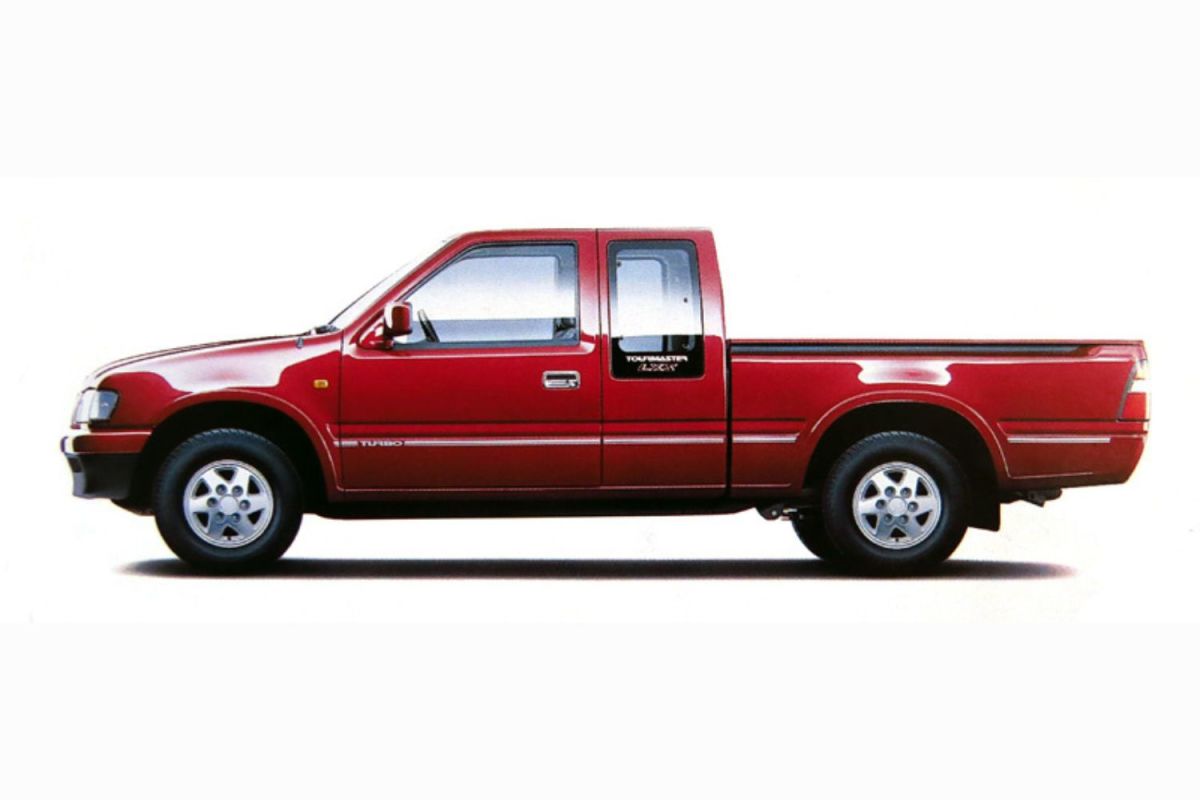
Why it Failed
Was going for the Honda worth it over the Isuzu? Well, the Thai market responded by not buying them at all. It didn’t help that the Tourmaster was 20,000 baht more than the TFR, which was a good chunk of change at the time. But its ultimate downfall was the lack of differentiation from the model it was based on.
Rebadges can be done right. Just take a look at the Chevrolet Tahoe, GMC Yukon, and Cadillac Escalade. The thing is, those three have unique characteristics, and there was actual effort in making them feel different from one another — something sorely missing in the Honda-Isuzu collaboration.
Today, the Tourmaster is a bit of an oddball collector’s item. It also holds the unusual distinction of being the only Honda-badged vehicle with a front-engine, rear-wheel-drive layout that wasn’t a sports car. While only a few were sold, keeping it running is easy as there’s a healthy market for TFR parts in Thailand. Now that it’s well past 25 years old, you can bring one over to the U.S and stump a few people in the process.
Honda