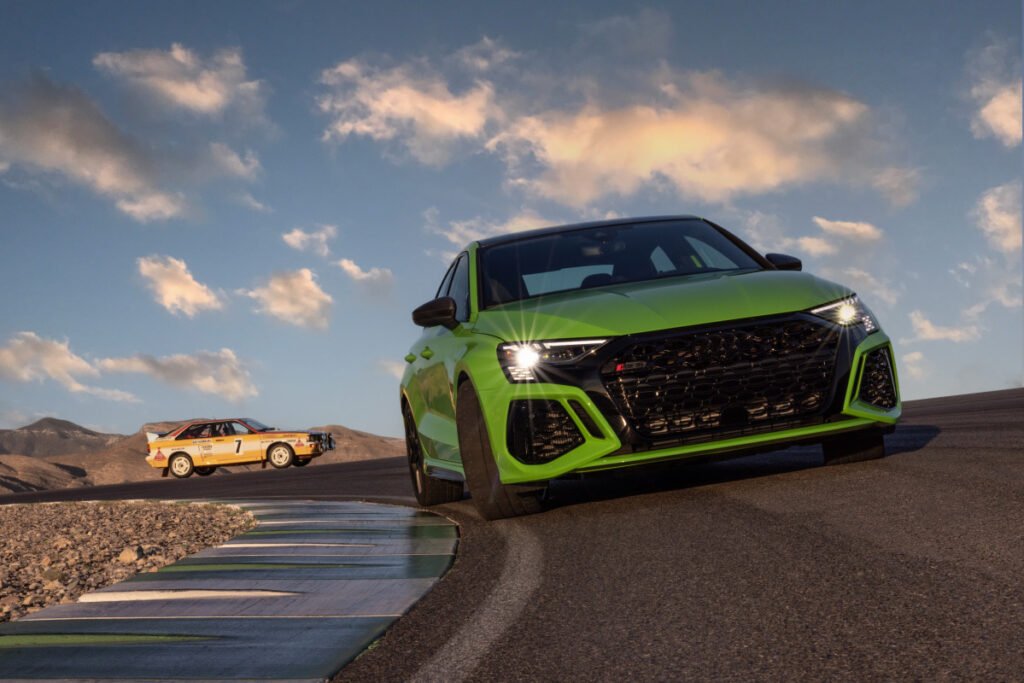
Thank You, Ferdinand Piëch
Inline-five engines have been around since the ’30s, but it was only in the ’70s that they started to really work. That’s all thanks to the 1974 Mercedes-Benz 240D 3.0 (known as the 300D in the US), the world’s first mass-produced straight-five-powered passenger car and the first diesel with five cylinders. We know what you’re thinking: aren’t we talking about Audis here?
Well, yes, but the five-cylinder’s acceptance in the market was thanks heavily to Ferdinand Piëch. During his time away from Porsche, Piëch ran an engineering firm that developed what would eventually become the 300D’s diesel lump now known as the OM617. After that, he joined Audi, revisited the concept, and applied it to gas power. Without Piëch, it’s unlikely that five-pot engines would’ve reached some level of popularity.
Mercedes-Benz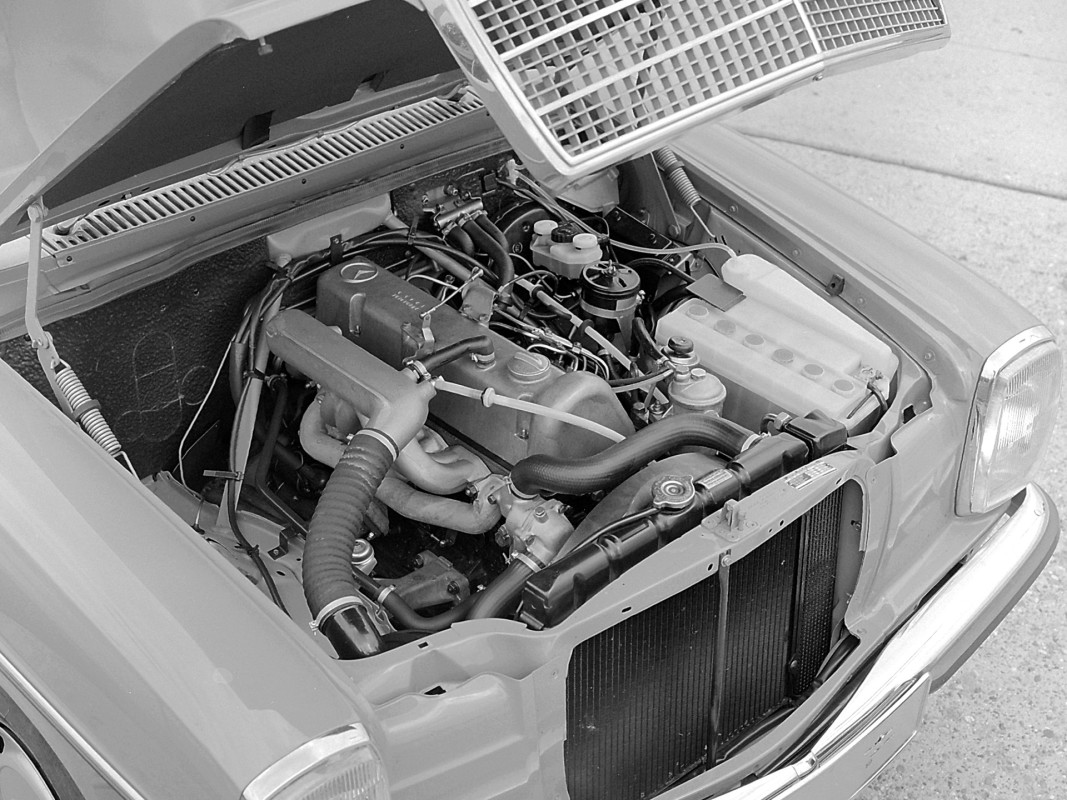
Audi’s First Five-Banger
The world’s first mass-produced gas-fed five-cylinder engine was fitted to the second-generation Audi 100 (C2). It rolled out in 1976 in Europe, and one of the powertrain choices was a 2.1-liter unit that made 134 hp in fuel-injected form.
A carbureted version was introduced later on, as well as a turbocharged unit for the upmarket 200 that put out 168 hp. Audi also had a five-cylinder diesel available for the 100. Of course, it’s not one anyone would call quick, as it only made 69 hp.
The basic block would later get 1.9-, 2.0-, and 2.2-liter versions through the ’70s and into the ’80s. It could be seen under the hoods of the Audi 80 and Coupe, as well as the Volkswagen Passat and Santana.
Audi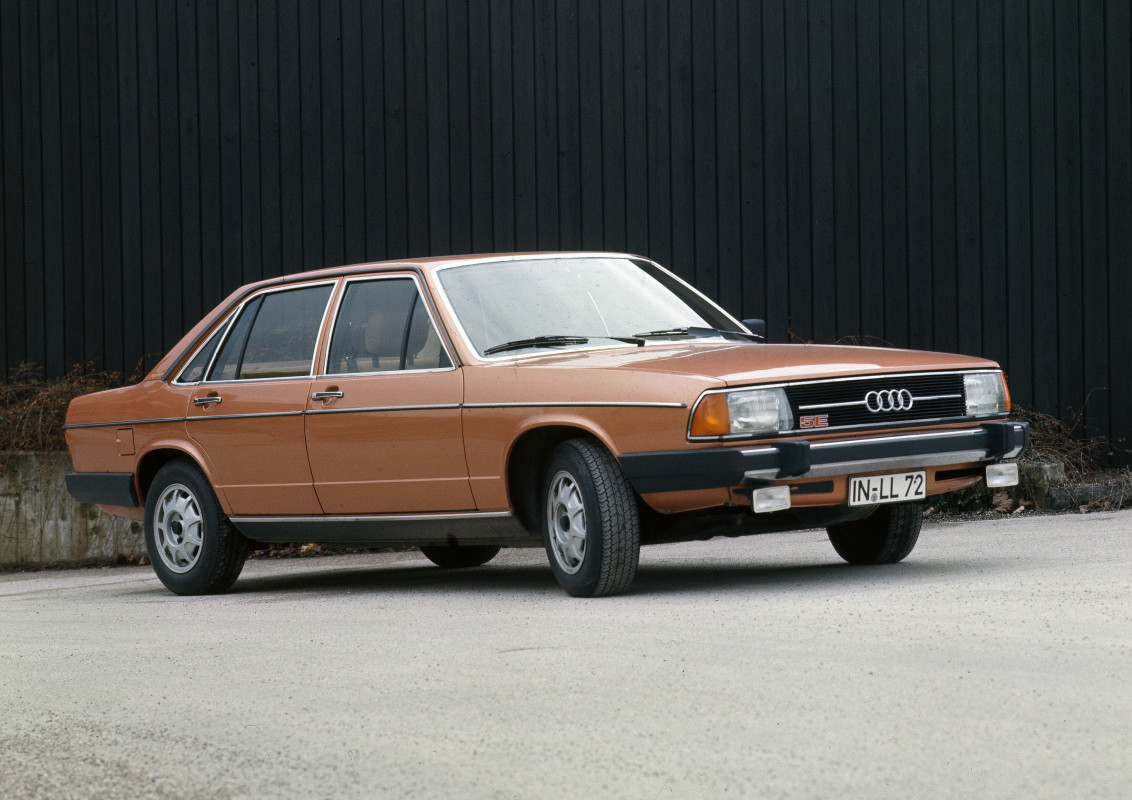
Fire Up the Quattro
In 1980, Audi introduced the Quattro, featuring the same turbocharged 2.1-liter mill as the 200. The difference was that it made more power, bumping it up to 197 hp. North America got its hands on it in 1982 for the 1983 model year, but power was reduced to 160 hp due to emissions regulations. Boo.
Of course, we can’t mention the Quattro without its rallying career. It practically reshaped the sport and made two-wheel drive obsolete. The motorsport versions were easily making about 300 hp, and at the height of Group B rallying, they made over 500 hp. If that wasn’t enough, the Sport Quattro racers that went up Pikes Peak were somewhere in the region of 600 hp…from 2.1 liters.
Let’s not forget Audi’s exploits in IMSA, too. The 200 Quattro Trans Am stirred the pot during its time in America, as did the later 90 Quattro IMSA GTO, which ran for just one season. Dominant would be a good word to describe those race cars.
Audi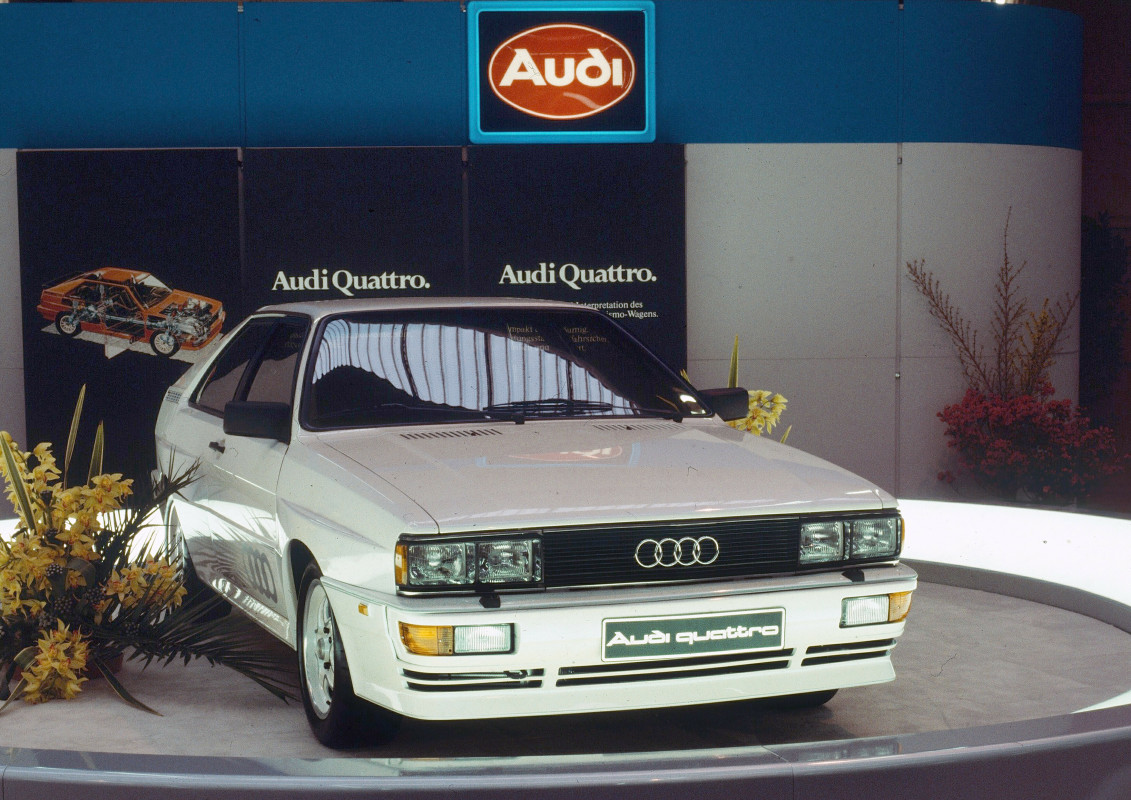
S, RS, and Hiatus
Back to road cars, Audi continued to fit the five-cylinder in its pedestrian models throughout the ’80s and mid-’90s. Offered in both gas and diesel guises, these were often seen in the 90, 100, and 200, but this was also the time Audi started a new experiment.
The early ’90s saw the S2 and Porsche-engineered RS2 Avant. Then there was the S4, which was essentially the precursor of the S6. All of them used a 2.2-liter turbo with varying states of tune ranging from 220 hp to 311 hp.
However, the five-cylinder Audis would be largely gone by the mid-’90s. They were replaced by V6 engines, and we wouldn’t see another straight-five Audi until 2010.
Audi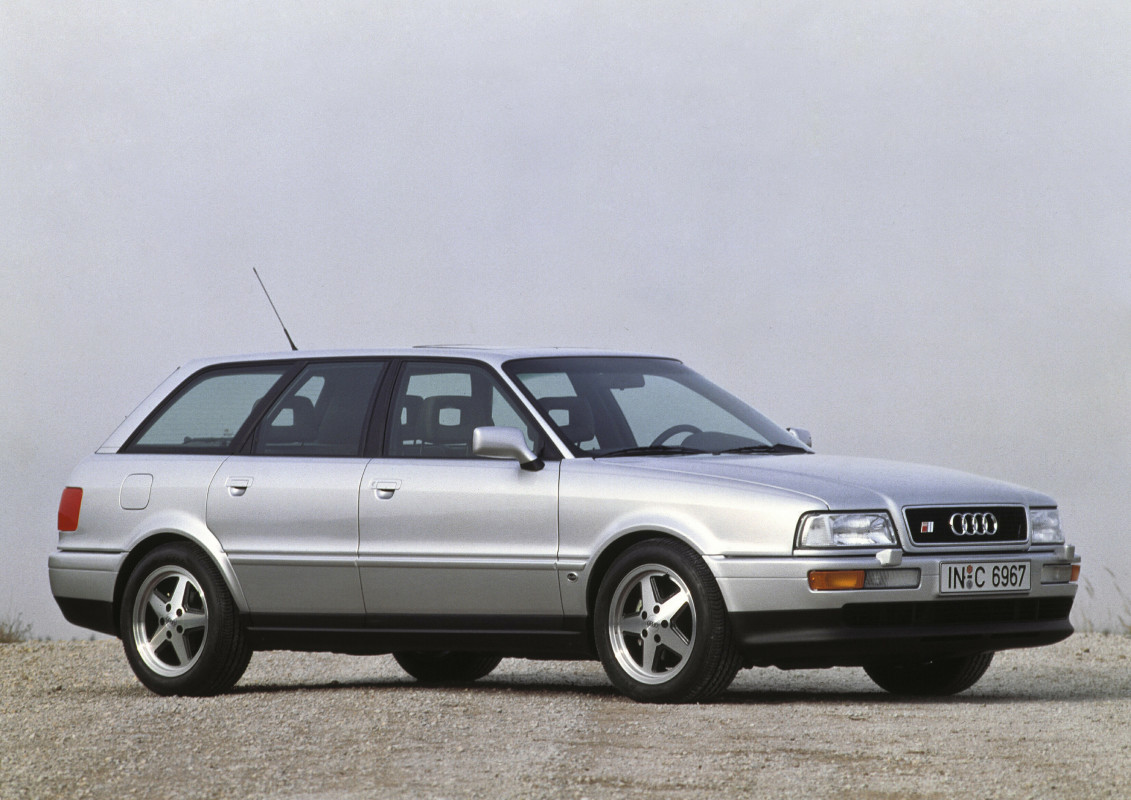
The Comeback
It would take nearly 15 years before Audi stuck a five-banger under one of the hoods of its cars. That came in the form of a 2.5-liter block and made its way to the 2009 TT-RS. Not content with that, Audi then shoved that same engine under the hood of the A3 to form the RS3. And to fit in the whole fast crossover market, the RS Q3 was made, also fitted with that straight-five.
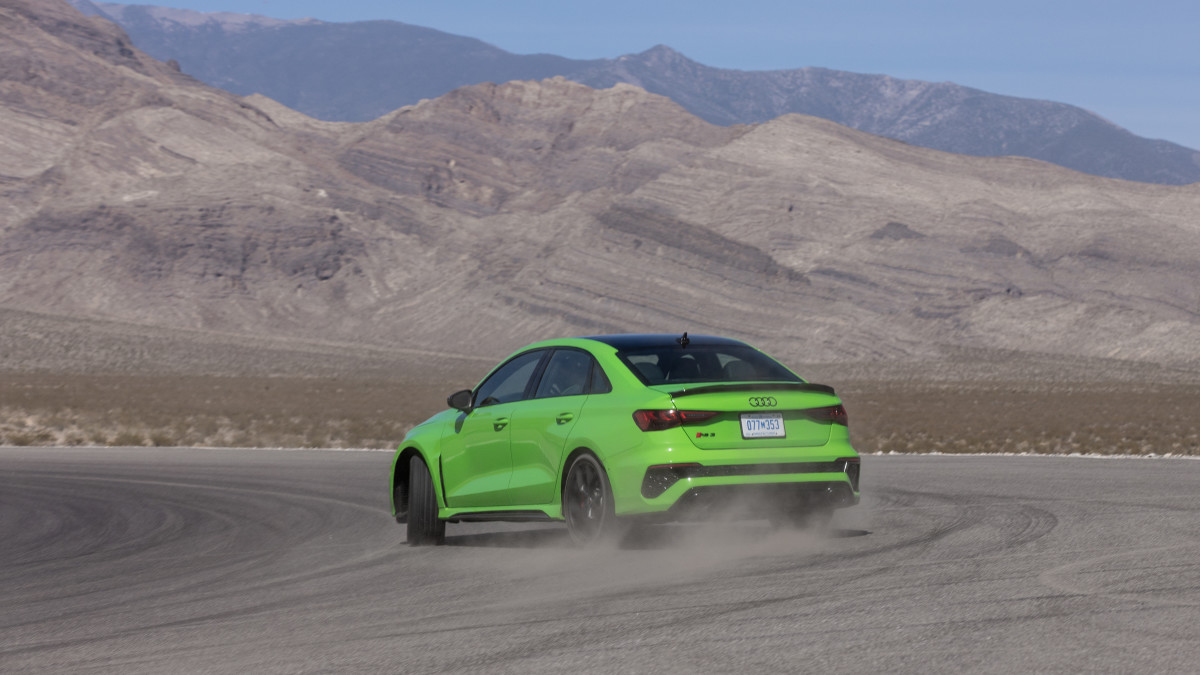
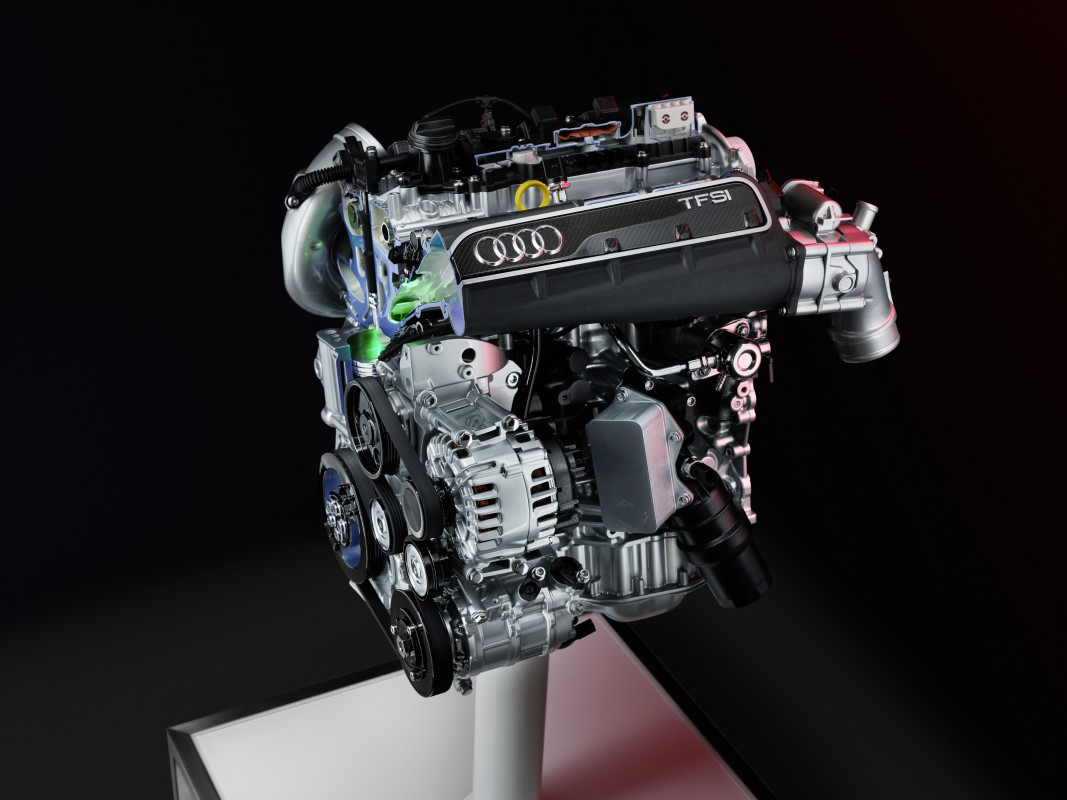
The revived turbo-five made 335 hp and 332 lb-ft of torque. It then rose to 362 hp and 343 lb-ft in the RS3, and 394 hp and 354 lb-ft in the second-gen TT-RS. Today, the RS3 makes 401 hp and 369 lb-ft, still from the 2.5 TFSI engine.
Audi is the only major automaker that’s currently building five-cylinder engines. However, the more stringent incoming emissions regulations aren’t making it easier for Audi to keep it going. Because of that, the company announced that they are canning the 2.5 TFSI engine in two years. Still, at least Audi can say they’re among the first to build five-pot engines, and that they owned that space for the longest.