Crunch Time at Aston Martin
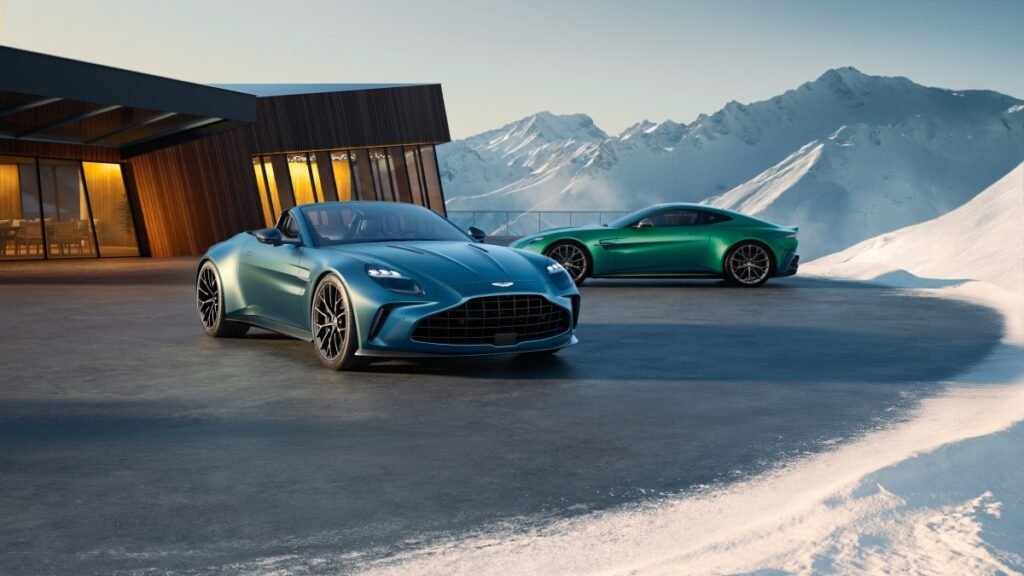
Aston Martin doesn’t exactly have the most stable of financial histories. It’s been on the brink countless times, but investors swoop in just at the right time to keep the lights on over at Gaydon. At the moment, it’s partly owned by Canadian billionaire and Formula One team owner Lawrence Stroll.
But even with a massive infusion of cash, Aston Martin is looking to curb costs. That’s after the British automaker incurred hefty net losses of 52 percent. It’s crunch time over there now, and it needs to stop bleeding money ASAP.

People are the First to Go
Perhaps then it comes as no surprise that it’s going to let go of people in a bid to stop or slow down the losses. According to Reuters, Aston Martin is shedding 20 percent of its workforce to stay afloat. The company currently has about 3,000 employees, and 20 percent of that is around 600 people.
It might not sound like much, but a small and independent automaker needs every person on deck to keep things running. That’s a huge chunk of people being made redundant, and Aston Martin has to streamline its processes as quickly as possible to minimize production and development disruption.
The expected loss of that many employees is expected to save the company close to $55 million. It should help delay the mounting losses, but Aston Martin has to do a lot more cost-cutting after posting losses of $666 million.
Aston Martin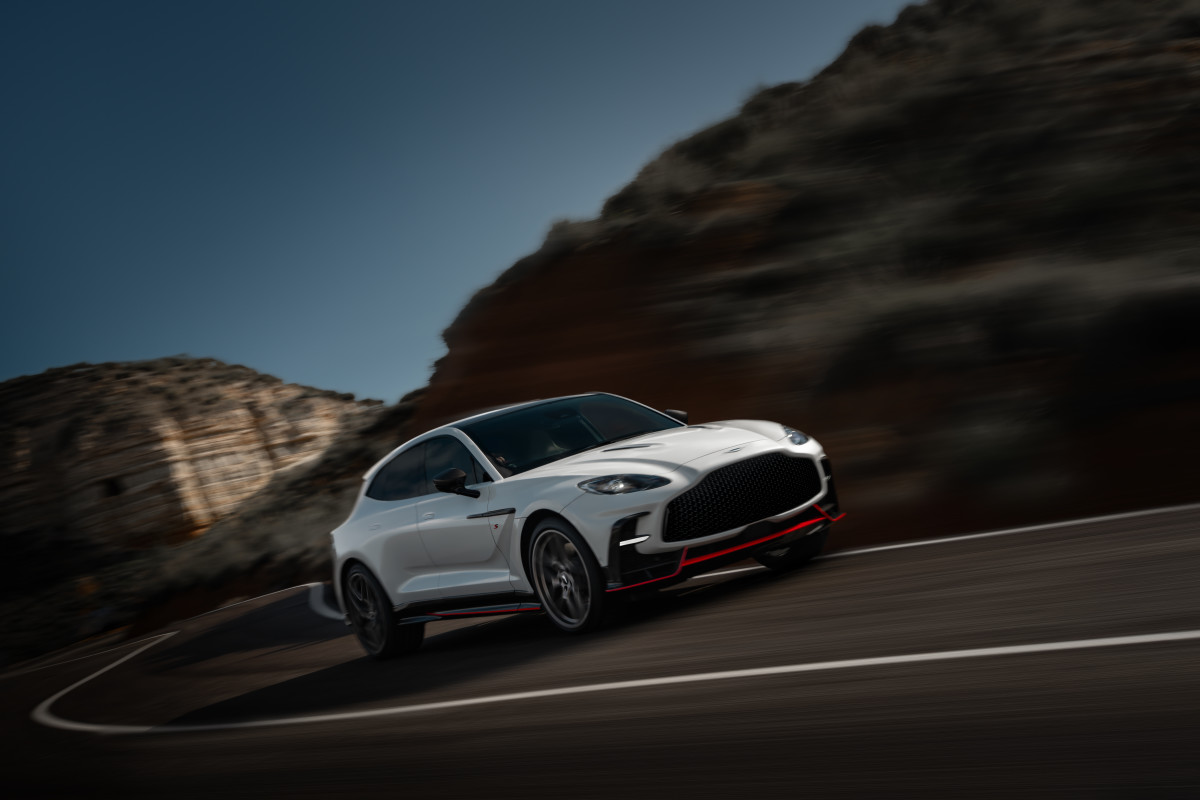
What About the F1 Team?
Formula One is expensive, and there’s no beating around the bush when it comes to that. The automaker can recover some of the money it needs if it sells the team, but given Lawrence Stroll’s hopes for F1 glory, it seems unlikely.
So, what to do? One thing you should know is that the carmaking business is a separate entity from the Formula One team. The plan now is for the F1 team to sell its naming rights to the road car division for a $67 million cash injection. In some ways, the racing division could help pull the auto business out of a rut.
It’s not final yet, though, as the move is still pending shareholder approval. Mercedes-Benz, Geely, and other investors have to say yes before it pushes through. Shareholders are reportedly swinging towards a positive answer.
Aston Martin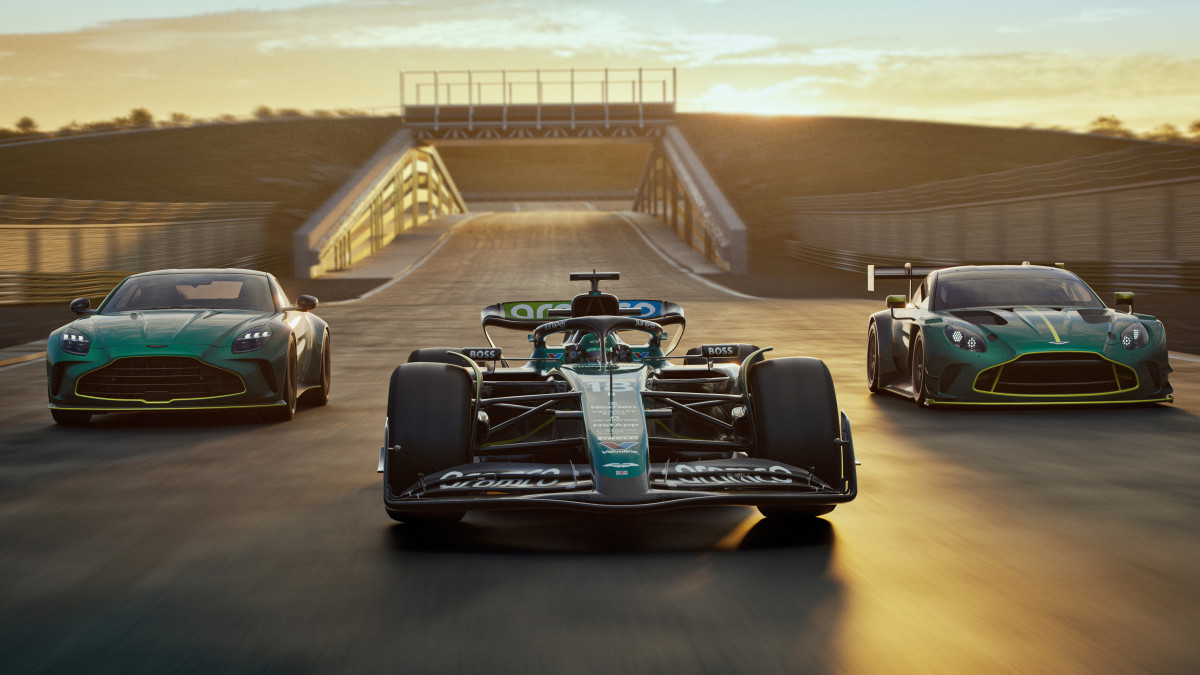
Demand, Tariffs, and Turning the Tide
In its financial report, Aston Martin cited tariffs and slowing demand in China as the two key reasons for massive losses in 2025.
In the words of company CEO Adrian Hallmark, “In 2025, we navigated a highly challenging trading environment whilst delivering on critical operational milestones. An unprecedented backdrop of geopolitical uncertainties and macroeconomic pressures, including heightened tariffs in the U.S. and China, weighed on our performance and ability to execute our plans effectively.”
To save more money, Aston Martin will put further electrification plans on hold. Per its financial report, the company will realign its product cycle plan to reduce five-year CapEx from roughly $2.7 billion to $2.3 billion, saving about $400 million. Ultimately, that meant the development of electrified models would have to be delayed.
For 2026, the company is pinning its hopes on expanding its personalization program and developing highly bespoke models. Those two have been profitable moves as each sale can easily inject about a million dollars into its balance sheet. The low-volume Valhalla could help the company get out of the red. Expect special limited-run models with hefty price tags to be introduced along the way.
Adam Lynton/Autoblog