With the average new car now costing more than $50,000, American car buyers are recalibrating their buying habits. Buyers who would’ve once picked mid-range and premium trims are now choosing base models, according to a Reuters report. It’s a trend that’s reversing a long-held industry push toward higher-margin variants.
Manufacturers had intensified their premiumization strategy, especially post-pandemic, by bundling additional features, limiting low-cost inventory, and encouraging customers to select higher priced trim levels. Dealers were able to carry out this strategy because customers had limited options due to shortages and were willing to accept whatever was available at the time. However, as interest rates increased and household budgets became tighter, the economics no longer support this approach. There’s a clear decline in the demographic that can afford new cars and it’s only getting worse. Worryingly, a $500 a month payment used to be able to get you into a Toyota Highlander, today it’ll barely get you into a Corolla.
Toyota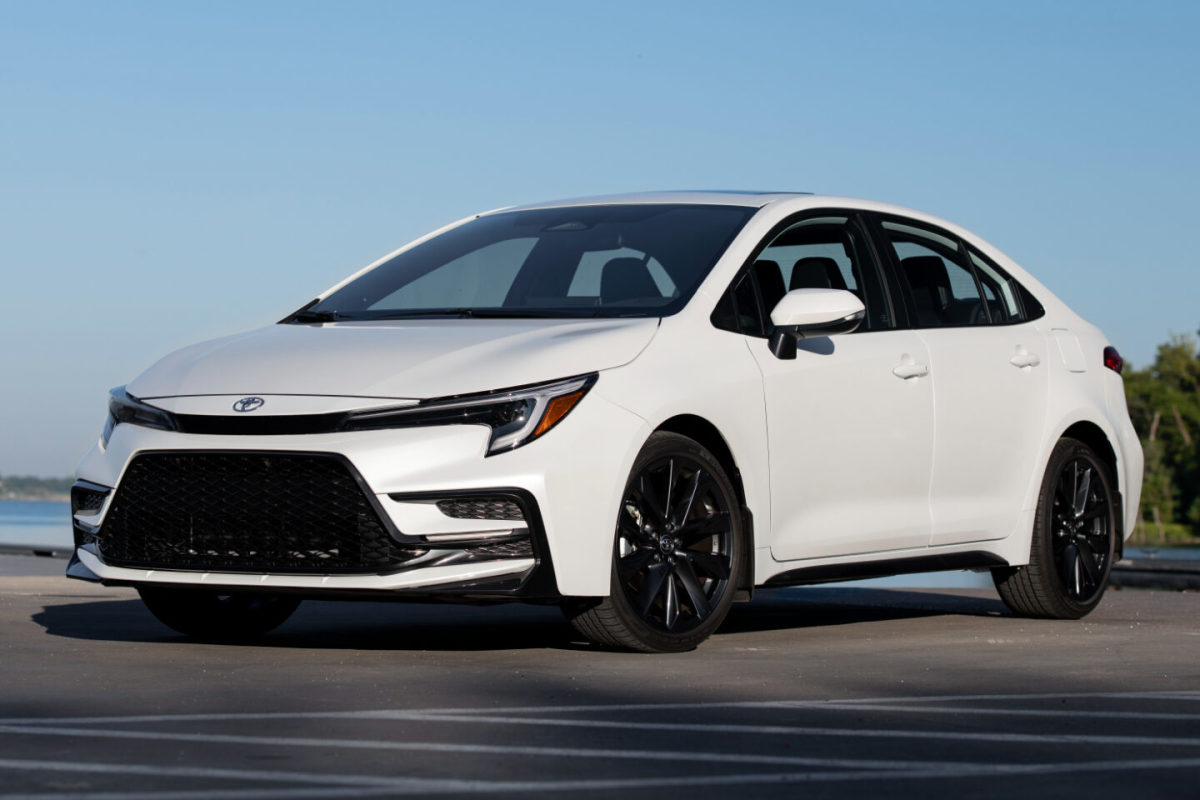
When $50,000 Became the New Normal
The United States’ automobile market had reached both psychological and economic thresholds by the end of 2025. The average price at which Americans bought their new cars was above $50,000 for the first time in history. According to Kelley Blue Book data, the national average for what US consumers pay for a brand-new automobile by the end of 2025 was $50,326. That number has increased about $11,000 since before the pandemic. More than 20 percent of all new car buyers in 2025 agreed to a loan payment greater than $1,000 per month.
Ford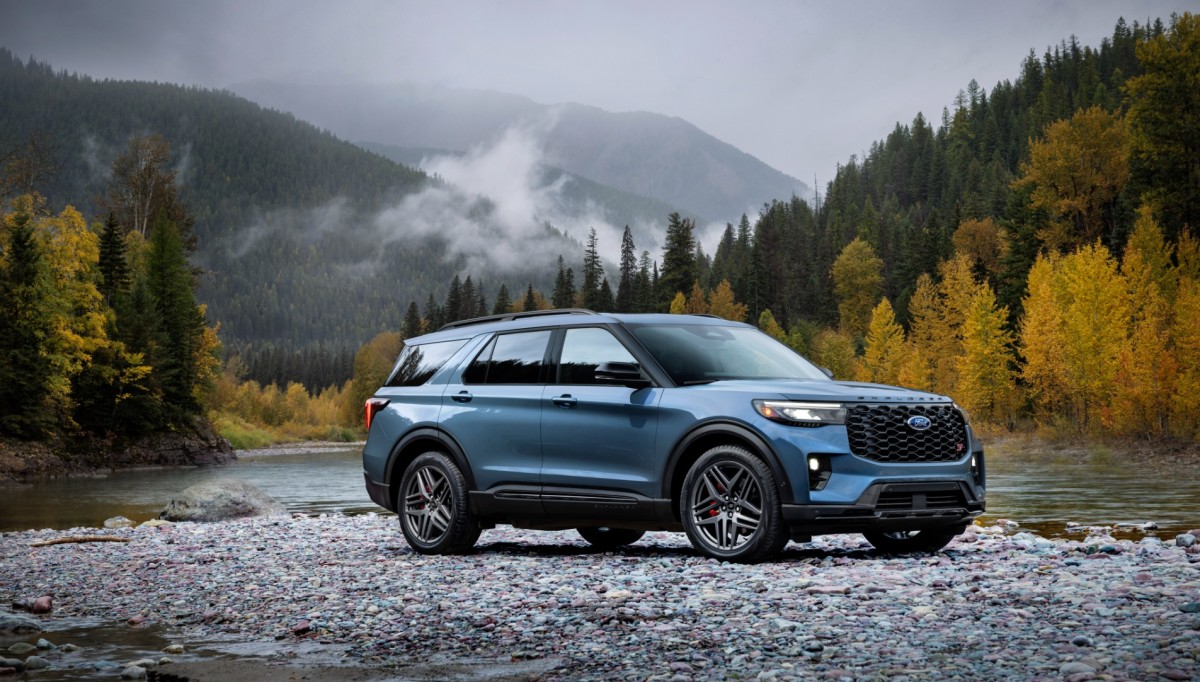
The Mid-Trim Era Is Losing Ground
The middle-of-the-pack models — the XLE’s, XSE’s and Limited’s — used to be the most profitable, offering more features than base models with less expense than top-end models. These models have been the foundation for much of the profit in the automotive industry. However, these are now at risk.
The mid-range models have experienced some of the largest price increases over the past few years, while the high-end models are making up a greater percentage of all inventory sold. This trend is beginning to reverse itself. In January 2026, Ford announced that deliveries of the base version of its compact Maverick pickup increased by 33.5 percent compared to the same time period last year. Similarly, Honda reports it will move back to selling more of its lower-end vehicles.
Toyota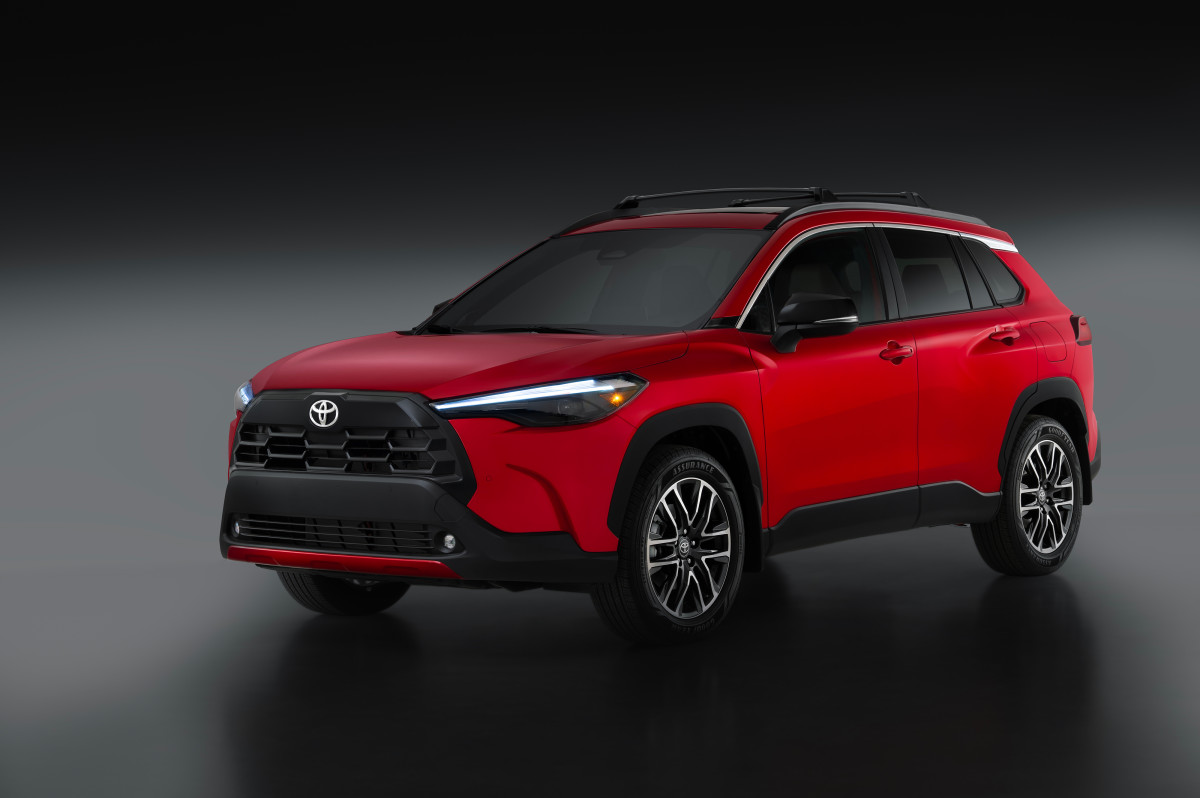
Automakers Are Feeling the Shift
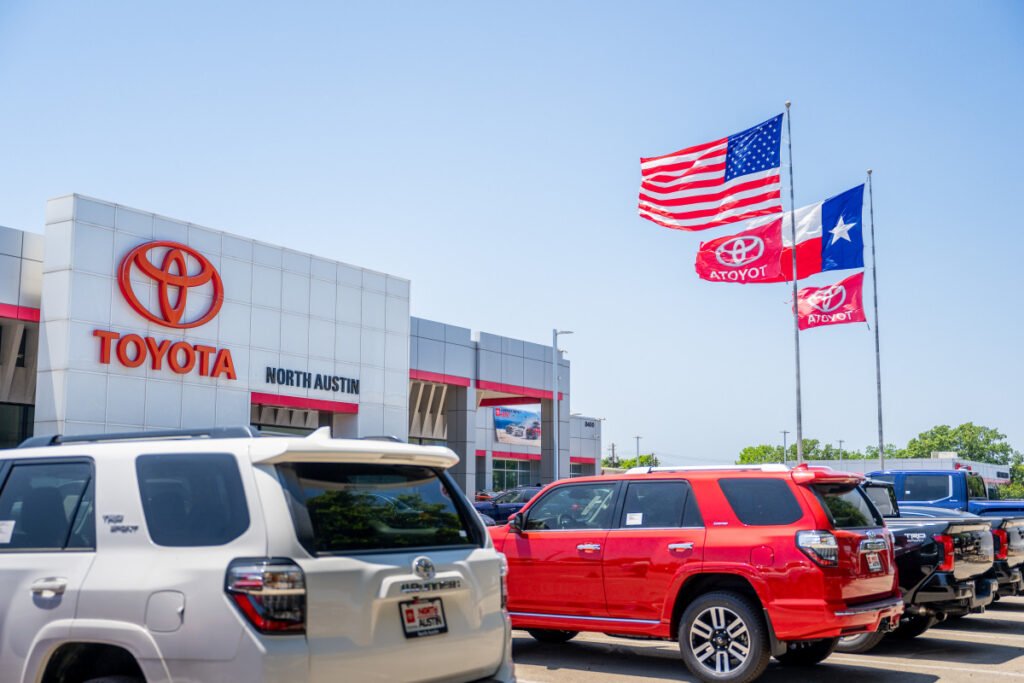
The recalibration is visible at scale. Sales of the top-selling models such as Corolla and Camry increased during the first quarter of 2026; however, sales declined for the premium model, Lexus. Toyota has already taken steps to reduce their number of available options. In 2025, Toyota reduced the number of available trims on the Camry to four, beginning at $29,495 for the base trim (LE). Similarly, Ford has been realigning their trim strategies among multiple models to provide clearer, sequential pricing increases, along with fewer options.
Ford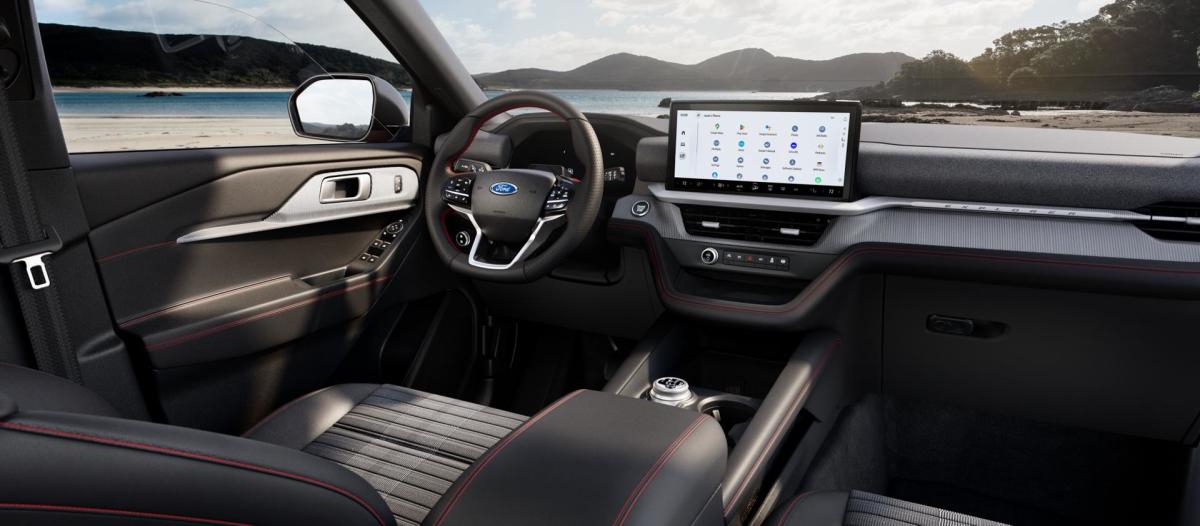
Automakers have been training buyers to spend more money on vehicles by pushing buyers to higher-priced trims of the same model for years. However, this strategy was successful until it wasn’t. The $50,000 average purchase price of new vehicles could be an indicator of how much buyers are willing to pay, rather than a barrier. Consumers continue to shop, but they have concluded that many of the additional features offered on higher priced trims do not warrant the cost of those higher priced trims. If the 2010s were the premiumization era, we may very well be at the start of the base-spec decade.