A Much-Needed Product From Nissan
The last Nissan Xterra rolled off the production line in 2015. Since then, the company has been left without a midsize truck-based SUV to rival the Toyota 4Runner. In the end, two generations were made spanning 15 model years.
Curiously, there was an overlap between the second-generation Xterra and third-generation Pathfinder. Both rode on the same platform and even shared the same 4.0-liter V6, but the Pathfinder was about nine inches longer than the Xterra. The Pathfinder later took a different, er, path and transformed into a crossover.
There seems to be a growing interest in truck-based 4WDs this decade. There’s the redesigned 4Runner and (sort of) downsized Land Cruiser, as well as the revived Ford Bronco. There’s also the Jeep Wrangler, which has been continuously updated and upgraded over the years. Thankfully, Nissan has confirmed that the Xterra is coming back in 2028. The thing is, it never actually went away, at least in other parts of the world.
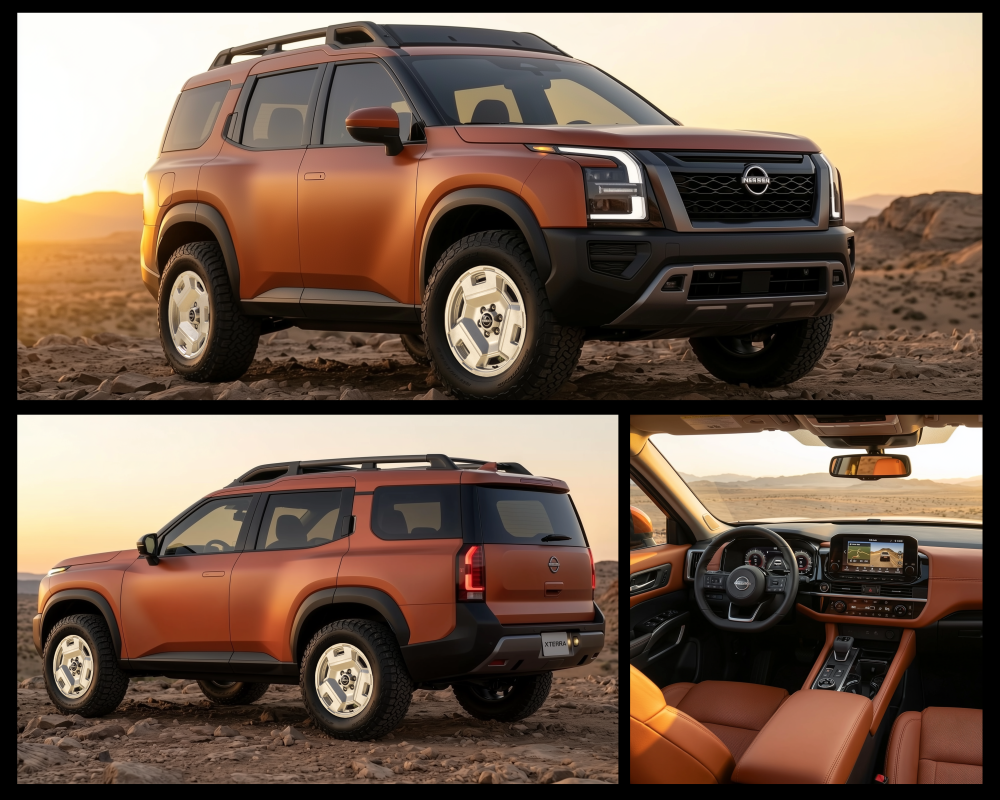
Cole Attisha Using Adobe Photoshop, Gemini 3 Pro, and Midjourney 7.0
The Xterra’s Alias
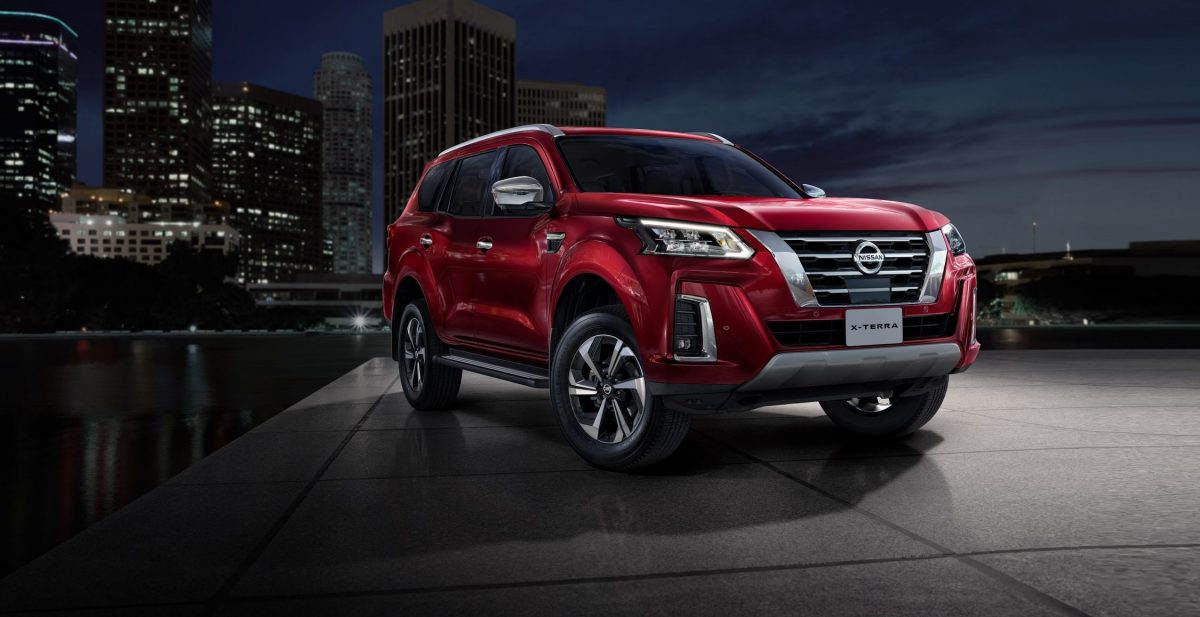
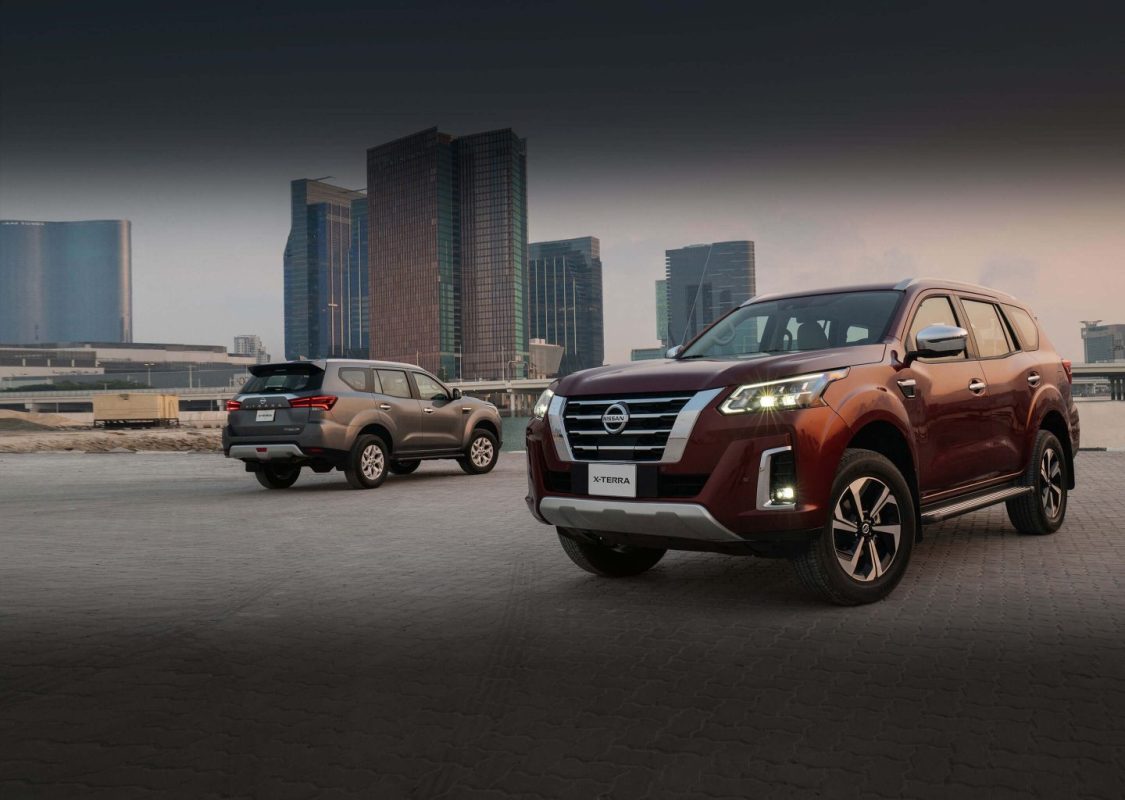
The Xterra’s formula is pretty simple. Take a midsize pickup, put a wagon-like body on it, and call it an SUV. Nissan has been building such a model since 2018, and it’s called the Terra. Yes, as in Xterra without the X.
It’s based on Nissan’s global Navara midsize pickup, which, in turn, uses a modified version of the F-Alpha chassis dubbed the D23. It was introduced in 2018 with Southeast Asia being the primary market. Then, in late 2020, the facelifted model debuted in the Middle East as the X-Terra. Emphasis on the dash there.
Great news? Well, not quite. In a way, you’ll be glad it isn’t being sold stateside. At the same time, you might say it’s a missed opportunity.
The Major Flaw
The X-Terra is sold in the Middle East, although the model is still called Terra in countries where it’s sold. As one would expect from a midsize truck-based SUV for Southeast Asia, it has a diesel engine. Nothing wrong with that, but the Gulf-spec models ditch that for a gas engine. Again, no big deal as gas prices aren’t really a concern over there.
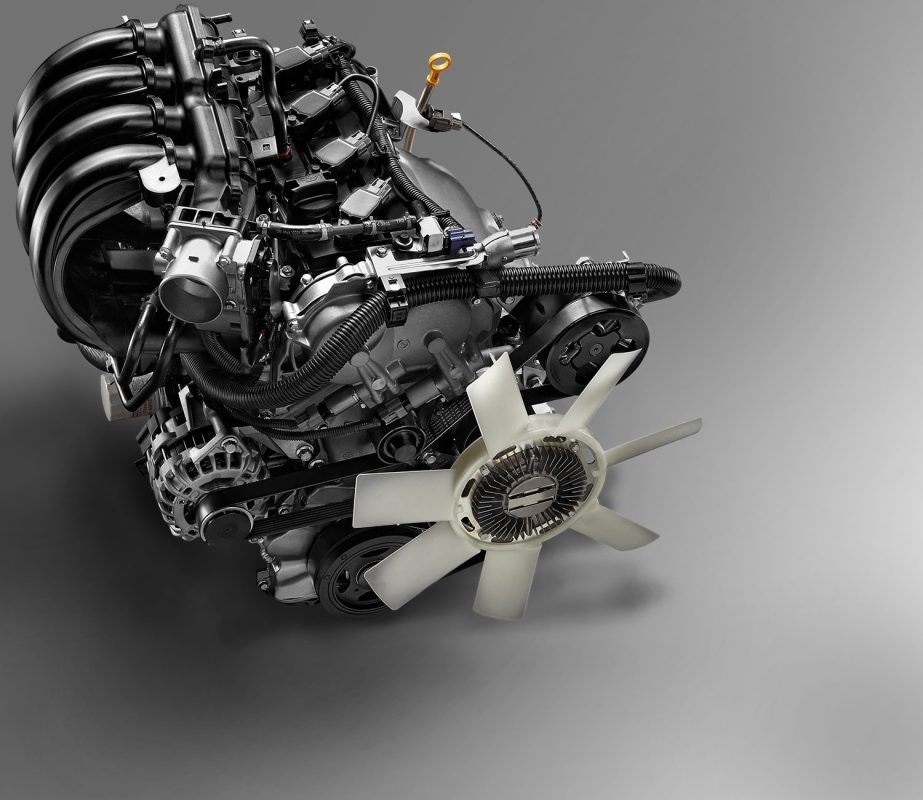
The big problem here is that Nissan gave the X-Terra an engine that’s short of two cylinders. It’s a 2.5-liter, four-cylinder mill that’s good for 165 hp and 177 lb-ft of torque. Oh, and that’s the only choice you get in the region. The trouble here is that competitors like the Toyota Fortuner (no relation to the 4Runner) and Mitsubishi Montero Sport offer a V6, or a turbocharged four-cylinder like the Ford Everest.
It’s not like a V6 won’t fit under the hood either. The D23 platform can accommodate a bulky six-cylinder turbodiesel, so it’s possible that the simpler, naturally-aspirated 3.8-liter from the Frontier could be a good candidate. But despite the lack of a V6, the X-Terra is, surprisingly, a hit over there. Still, we can’t help but wonder if it’ll sell even better with a pair of extra cylinders.
The Rest of It is Good, Though
Now, we’re speaking from experience and from the perspective of the diesel Terra model sold in Southeast Asia. To drive, it’s generally agreeable, with a smooth, pliant ride that’s perhaps a little on the soft side. It’s no canyon carver (obviously), but it’s a pretty great long-distance cruiser. Cargo space is commendable, and the 4WD models come standard with center and rear differential lock. It is, frankly, a hugely underrated model in its class.
Cons? It does lack several advanced driver assists, and its diesel, while strong enough for the primary market (190hp, 331 lb-ft), is gruff and clattery. That platform itself isn’t all that new, although it’s still fresher than the one used in the American Frontier by a good decade.
Overall, the Terra/X-Terra needs a little bit more polish to be fit for US consumption. Slap in a V6 in there, and it’ll be perfect for those who want a simple midsize SUV in America. If anything, it serves as a decent benchmark for Nissan to start working with for the 2028 revival.
Nissan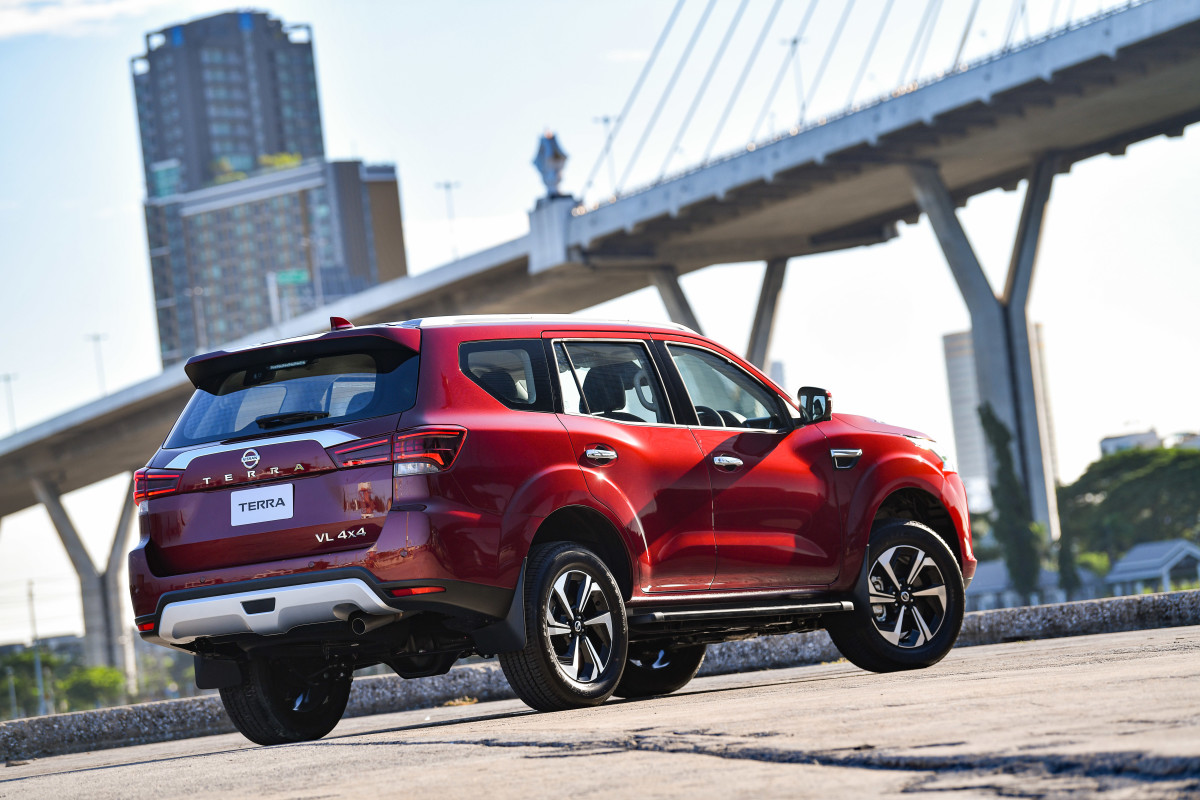
Nissan