- There’s no word on what minimum prices Europe and the Chinese could agree to.
- Chinese EV manufacturers currently have been slapped with tariffs as high as 45.3%.
- Germany, who had fiercely opposed tariffs right from the start, has backed negotiations.
Months after the EU imposed hefty tariffs on Chinese-made EVs, officials from China and the European Union are trying to negotiate a mutually beneficial deal that won’t rely on them. It’s now been revealed that the two powerhouses have agreed to investigate doing this by setting minimum prices for China’s EVs.
A spokesperson from the European Commission has revealed that EU trade commissioner Maros Sefcovic and Chinese commerce minister Wang Wentao recently spoke and agreed to look at minimum prices. Further negotiations are underway.
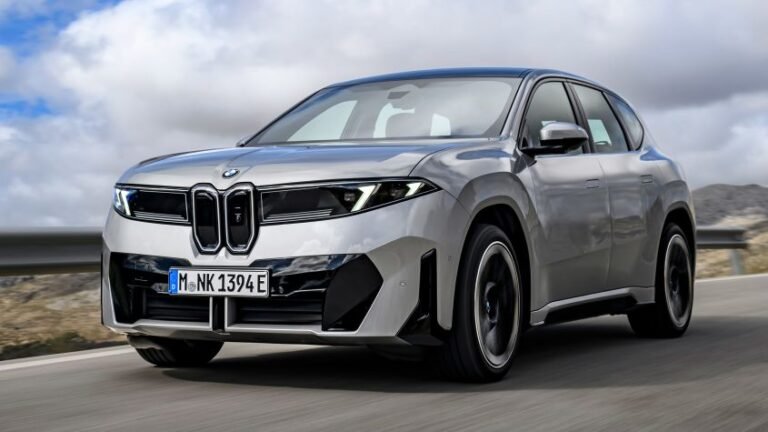
Read: BMW Teams Up With Chinese EV Makers To Fight EU Tariffs In Court
There’s no word on what these prices could be. Speaking with Reuters, Sefcovic said any rules on pricing would need to be just as effective and as easily enforceable as tariffs.
The European Union imposed tariffs on Chinese-made EVs last year following a lengthy investigation to see if Chinese brands received unfair subsidies from their government, allowing them to build and sell EVs for far less than most Western rivals. Newly-enforced tariff rates vary depending on how much assistance individual brands received and how cooperative they were with the EU’s probe.

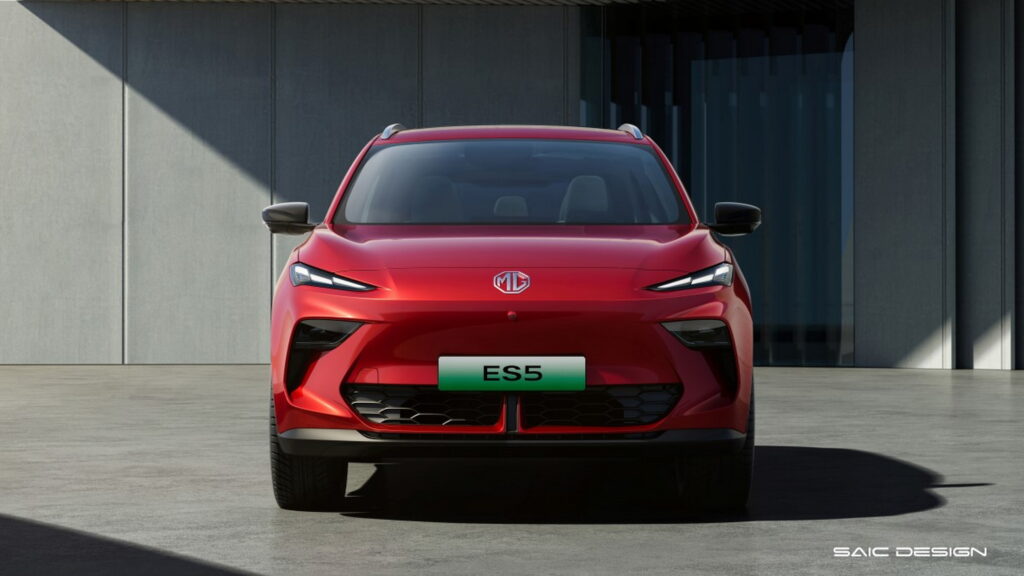
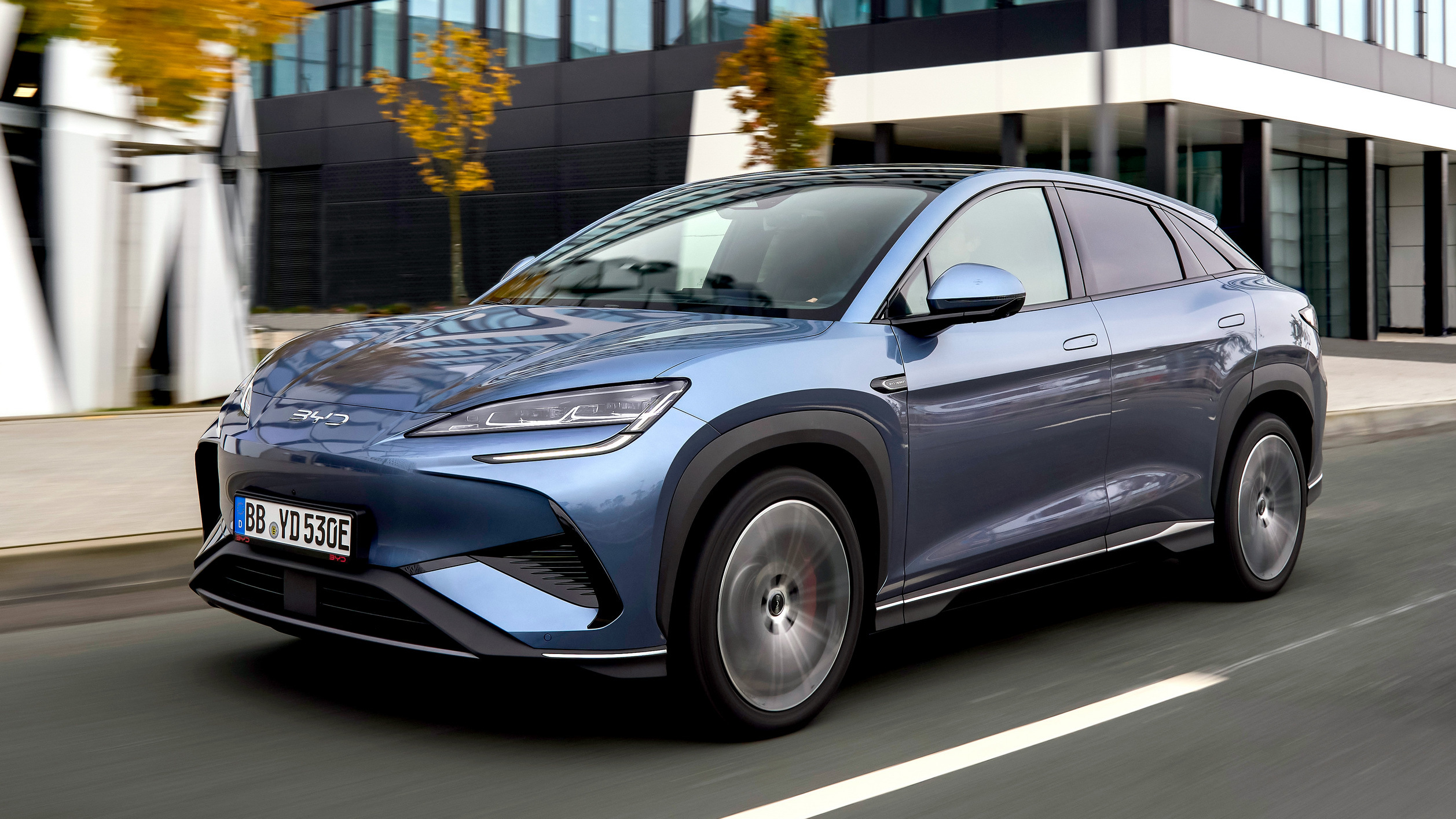
Chinese conglomerate SAIC was slapped with the steepest tariff of them all, set at 35.3% on top of the pre-existing 10% import duty. Companies such as BYD and Geely were also hit with new tariffs, set at 17% and 18.8%, respectively.
Ten countries in the European Union voted in favor of the tariffs, while 12 members abstained and five voted against them. Among those that opposed the tariffs was Germany, and it’s pleased that talks are underway to find a solution to the issue.
“Regardless of current global developments, it must also be discussed here how to reduce obstacles and distortions in international trade, rather than building new hurdles,” Germany’s auto industry association, the VDA, said in a statement.