BMW Group India is aiming for its first 20,000-car year in 2026. Simultaneously, the brand’s on track for three out of every ten of those cars to be electrified. Both milestones come without the assistance of hybrid power. Hardeep Singh Brar, president and CEO of BMW Group India, sees little urgency in bringing more hybrids to the country. Speaking at the Indian launch of the electric MINI Cooper SE, Brar said he expects EVs to account for at least 30% of combined BMW and MINI car sales in 2027, and hybrids largely aren’t on the menu. The two brands were already at 26% in the first half of this year.
There’s an M-shaped exception to India’s exclusion of hybrids, though. Walk into an Indian showroom with the budget for an M5 or XM, and BMW will happily sell you a plug-in hybrid. What Brar questions is whether buyers of its more mainstream cars need a hybrid step between a gasoline or diesel BMW and a fully electric one.
Why BMW India Is Comfortable Skipping the Hybrid Step

BMW EVs are offering more range than ever. Brar, therefore, takes a “less is more” approach to the lineup in India. He seems to reason that with cars already delivering 700 km or more on a single charge, there’s little reason to introduce hybrids or plug-in hybrids. After all, much of the allure of a PHEV revolves around range. “If EVs offer the range and torque you need,” he said to Financial Express in October, “why go for another powertrain?”
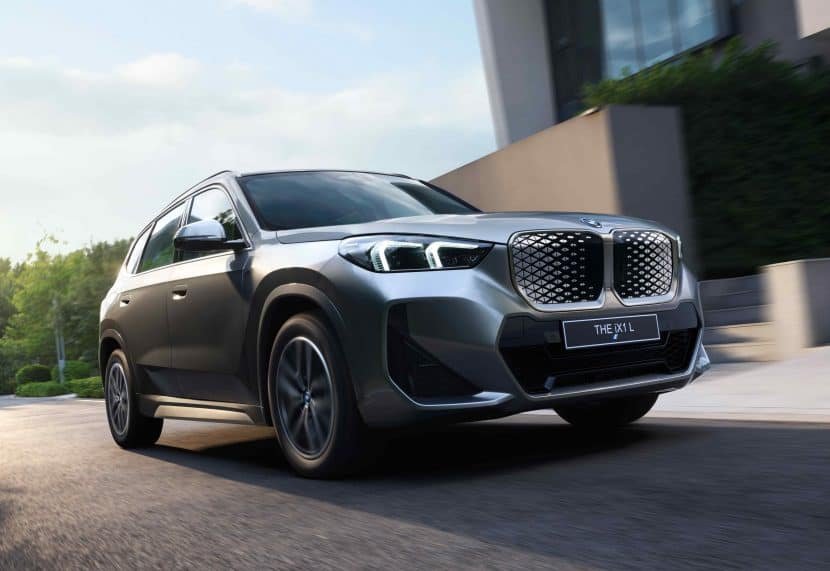
The more persuasive example might be at the other end of the showroom. Brar said the made-in-India iX1 has the longest wait list today, but it’s one of several BMWs that currently take between two and three months to deliver in India. The i5 and i7 are on that list, too, alongside the combustion-powered 5 Series and 7 Series. Buyers are finding something to like at both ends of the electric lineup. Those who don’t seem to be perfectly content with the familiar gas-powered models. BMW Group India delivered 2,359 electric cars in the first six months of 2026, up 78% year over year. Overall sales grew 17% to 9,075 cars. For perspective, the group sold 3,753 EVs in India in all of 2025.
MINI Has a Part to Play, Too
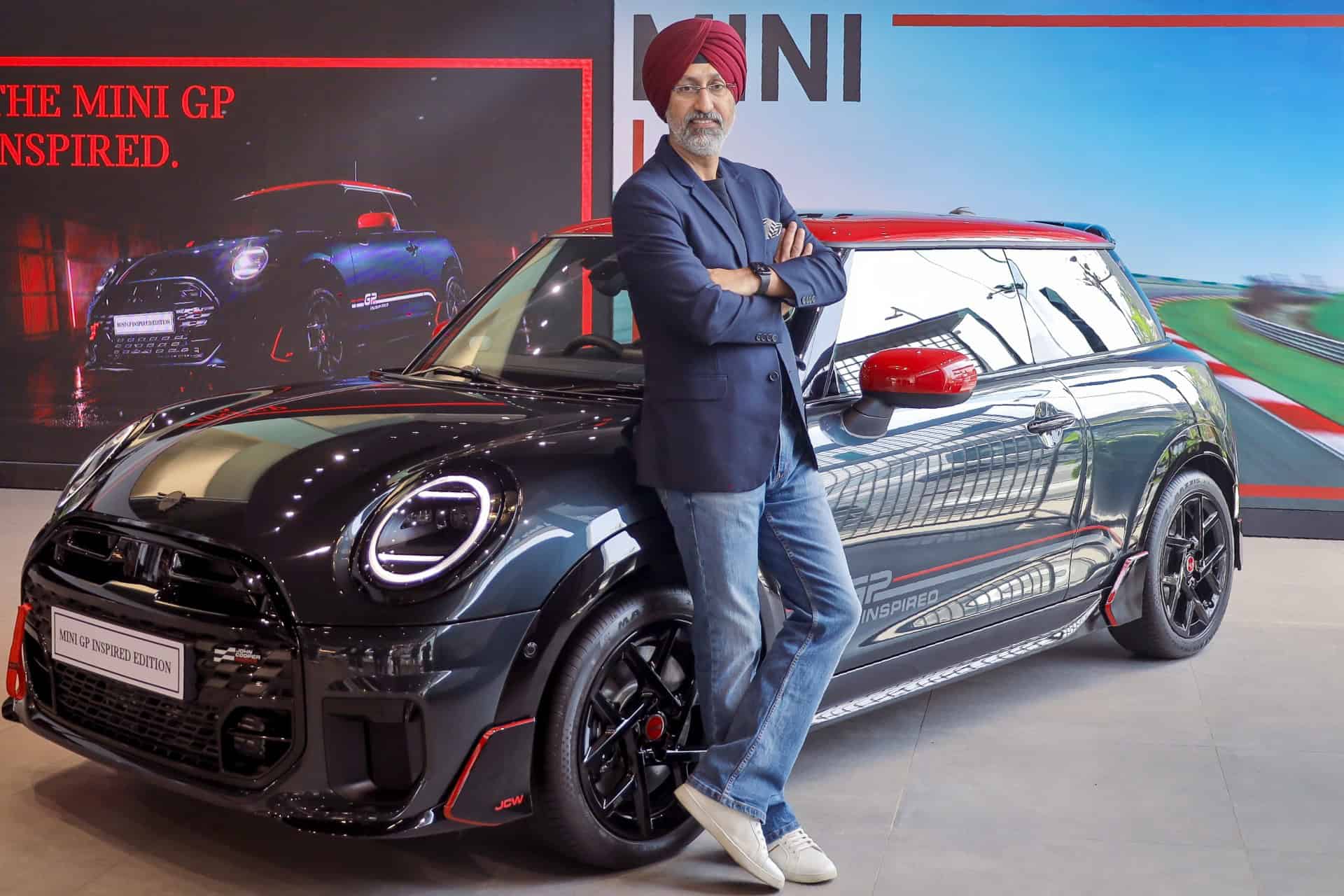
The Cooper SE gives the group a different kind of EV to sell alongside its electric SUVs and long-wheelbase sedans. The second-generation three-door arrives in December with a 54.2-kWh battery and a claimed 402 kilometers (250 miles) of WLTP range. That’s well shy of the 700 kilometers Brar has in mind for future BMWs, but MINI is asking a different question of Indian buyers: how much range do you want in a hot hatch?
Brar claims MINI has already passed 1,000 Indian sales this year after delivering 730 cars in all of 2025. Should BMW manage to sell past the 20,000 unit mark, it would make BMW the first luxury OEM to do so in India. He expects electric cars to account for 10% to 15% of MINI’s own sales, which leaves BMW to do most of the work toward that 30% goal. Judging by the queue for an iX1, it already is. Maybe that’s why Brar has already commented that 40% isn’t an unrealistic goal for next year.
First published by https://www.bmwblog.com