Over the past year, excitement has been building for the return of a mid-engine sports car wearing a Toyota badge. We’ve seen trademarks filed and watched prototypes evolve beyond just a mid-engine GR Yaris M Concept, and at the beginning of 2026, Toyota finally confirmed that it was working its way through the first of four development stages. We’re now almost at the end of the year, and given how determined and efficient Toyota is, one might expect the testing program to have made serious progress. But competition is tougher than ever, as are economic constraints, so Toyota isn’t rushing anything. In fact, the automaker’s in-house Toyota Times magazine reveals that development isn’t even over the halfway mark.
Gazoo Racing President Explains Toyota’s Sports Car Challenges
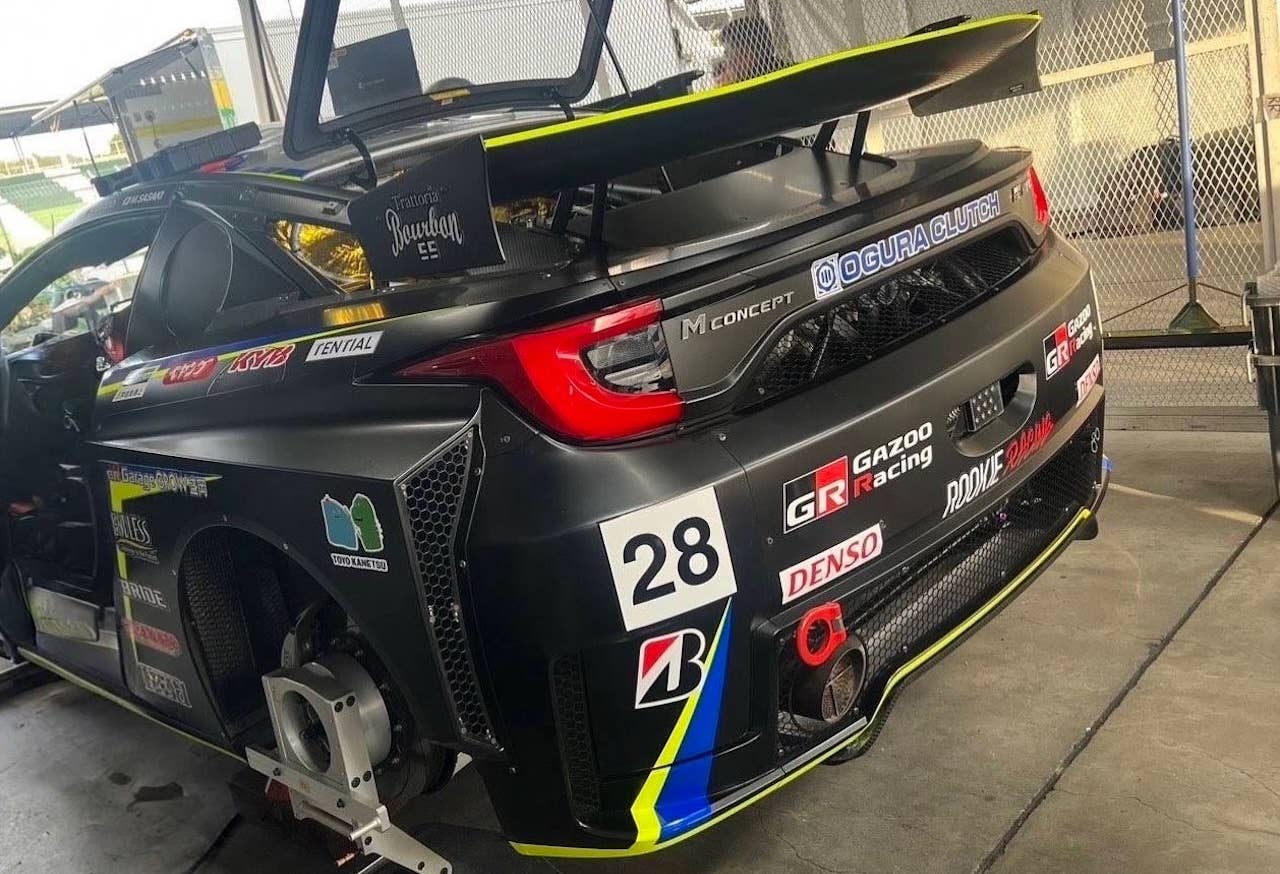
ORC – Ogura Racing Clutch/Instagram
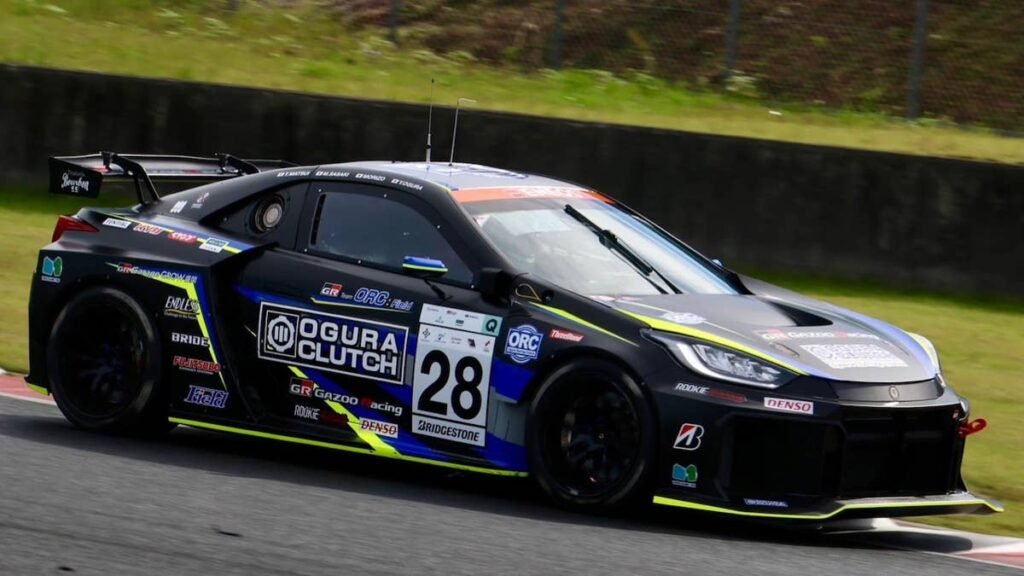
Gazoo Racing boss Tomoya Takahashi said there’s still a long way to go, and that engineers are 70 to 80 percent of the way towards understanding how a car behaves when its heaviest individual system is placed behind the driver. Wait, didn’t Toyota build the mid-engine MR2? Correct, but that ended production in 2007. It had a 1.8-liter naturally aspirated four-cylinder making 138 horsepower, was rear-wheel drive, had an open top, and was built to far less stringent safety standards than any contemporary car. The new concept being pursued would have a turbocharged ‘baby 2JZ’ engine, AWD, and a coupe body, and it would weigh more than the original. All of these factors – combined with different wheel sizes, wheelbases, centers of gravity, and aerodynamic profiles – mean that any knowledge retained from a decade ago would be all but irrelevant for this project.
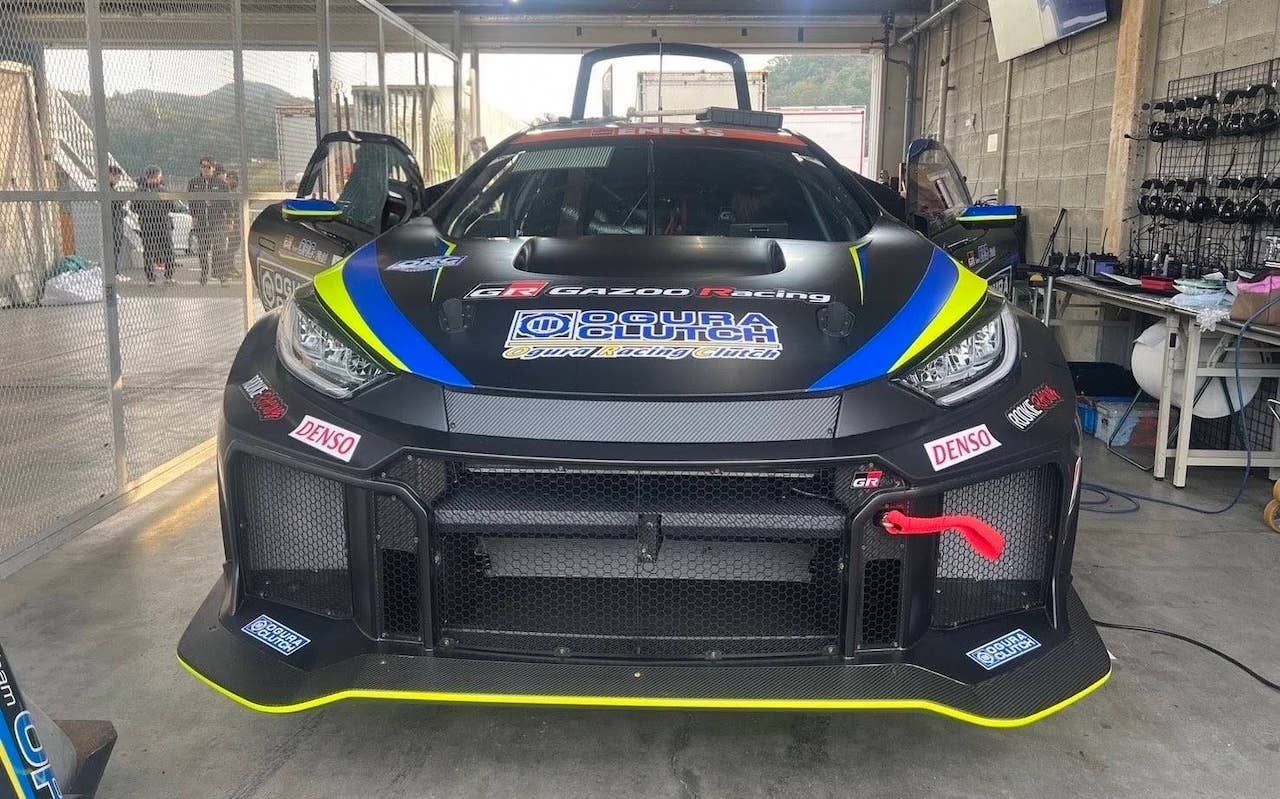
ORC – Ogura Racing Clutch/Instagram
Takahashi and his team have been learning how a coupe-like shape changes airflow while simultaneously exploring how adjusting the front-to-rear weight distribution affects a car under acceleration, braking, and cornering. He admits that moving the engine further back “makes it physically difficult to get enough airflow,” and that the past year was spent trying to send more air to the engine bay. Yes, getting the concept to turn as desired and other performance goals have been tricky, “but most of the challenges come down to aerodynamics and airflow,” he said. The good news is that the coupe shape seems to be helping with cooling, and air under the car is just as important for aerodynamic downforce, so the front lip has been raised a little. Unfortunately, while some components like the transfer case can be cooled by this high-velocity air, the engine is simply too high to benefit.
Related: Toyota Is Bringing Scion Back With a Tiny 25-MPH Kei Truck
The most recent version of the mid-engine concept has a manual transmission instead of the Direct Automatic Transmission formerly fitted, and the steering wheel is now on the left, which indicates that Toyota is, in Takahashi’s words, “considering the potential for global expansion,” and since other prototypes have been right-hand drive, “we simply wanted to see what would happen with left-hand drive.” Not direct confirmation that a potential production model would be offered everywhere, but it shows that Toyota has one eye on that possibility. What about the manual? That’s also here for engineering reasons, explains Takahashi: “We wanted to set aside the complexities of electronic control for now and focus development on the car’s dynamic performance.”
The Takeaway: Toyota is Still Exploring
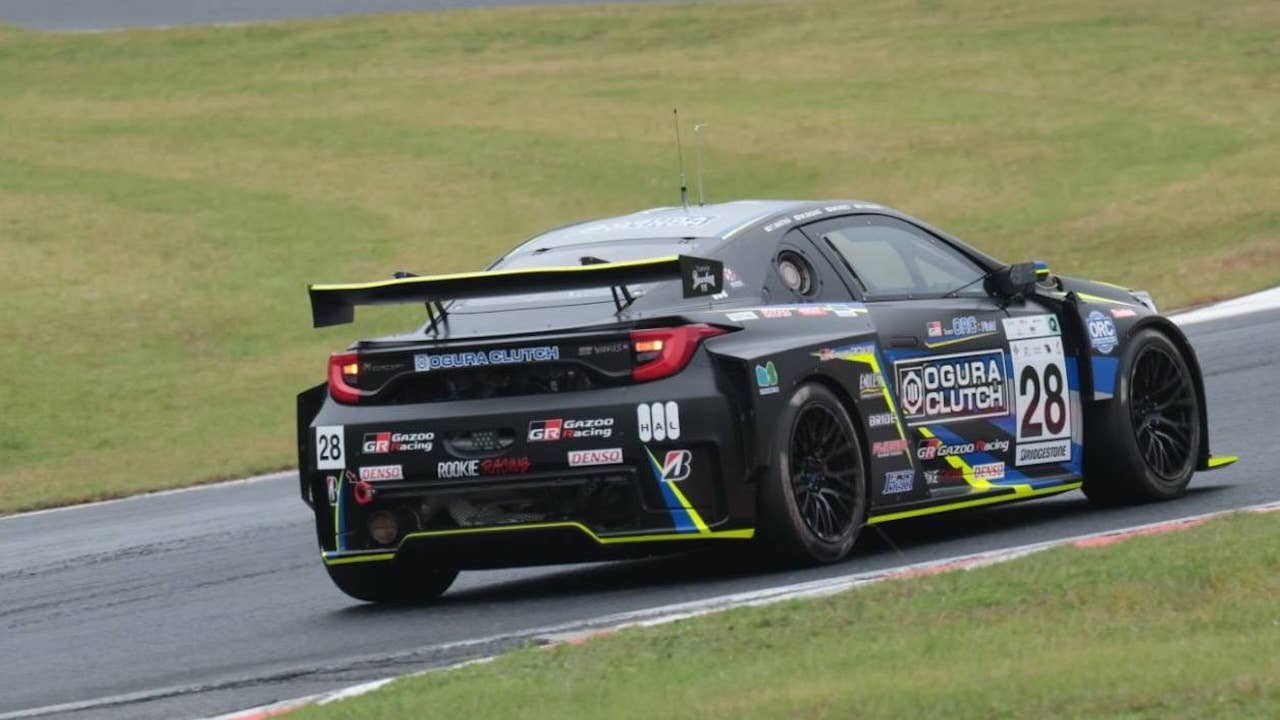
ORC – Ogura Racing Clutch/Instagram
“Please understand that we’re still in the experimental stage, exploring different possibilities for a mid-engine car before moving into product development,” said Takahashi. In other words, the company that couldn’t build the GR Supra or GR86 on its own because the projects would have been too expensive is now undertaking a motorsport-hardened development program for a performance-focused enthusiast car that may never reach production. And that comes after the GR GT took aim at the Mercedes-AMG GT. Toyota even built a technical center with a Nürburgring-inspired test course, so the investment in motorsport-developed consumer cars is real. All this means the MR2, if it does reach production, will be exceptional to drive. Bring on 2028(?).