When you take a medicine, it is usually tested multiple times before it reaches you. In the early stages, some of the testing is done on animals, most often mice and rats. It is an uncomfortable fact, and that is why this topic needs honest and careful thinking.
In October 2026, the Indian government released draft rules to update how animal experiments are regulated. Since then, scientists, animal lovers, activists, and even film stars have been debating whether the draft helps science, helps animals, or does neither.
WHAT HAS ACTUALLY BEEN PROPOSED?
India already has a law, the Prevention of Cruelty to Animals Act, 1960. The new draft rules would replace older rules from 1968 and 1998. They were released in October 2026 by a government committee called the CCSEA, which supervises experiments on animals.
The draft changes several things:
- A pain based approach: Instead of judging an experiment by the size of the animal, the rules would look at how much pain or distress it causes them. Experiments would be sorted into four levels: non recovery, mild, moderate and severe.
- The “3Rs”: Researchers must try to Replace animals with other methods, Reduce how many animals they use, and Refine experiments to cause less suffering.
- More paper work and checks: Every lab must register with the CCSEA. Each lab needs a nine-member ethics committee including scientists and a veterinarian. Researchers must also keep a record of every animal euthanised, and labs can be inspected.
Supporters say these are real improvements. India has a large pharmaceutical and biotech industry, and clear modern rules can make research more organised and more humane.
WHY ARE PEOPLE WORRIED?
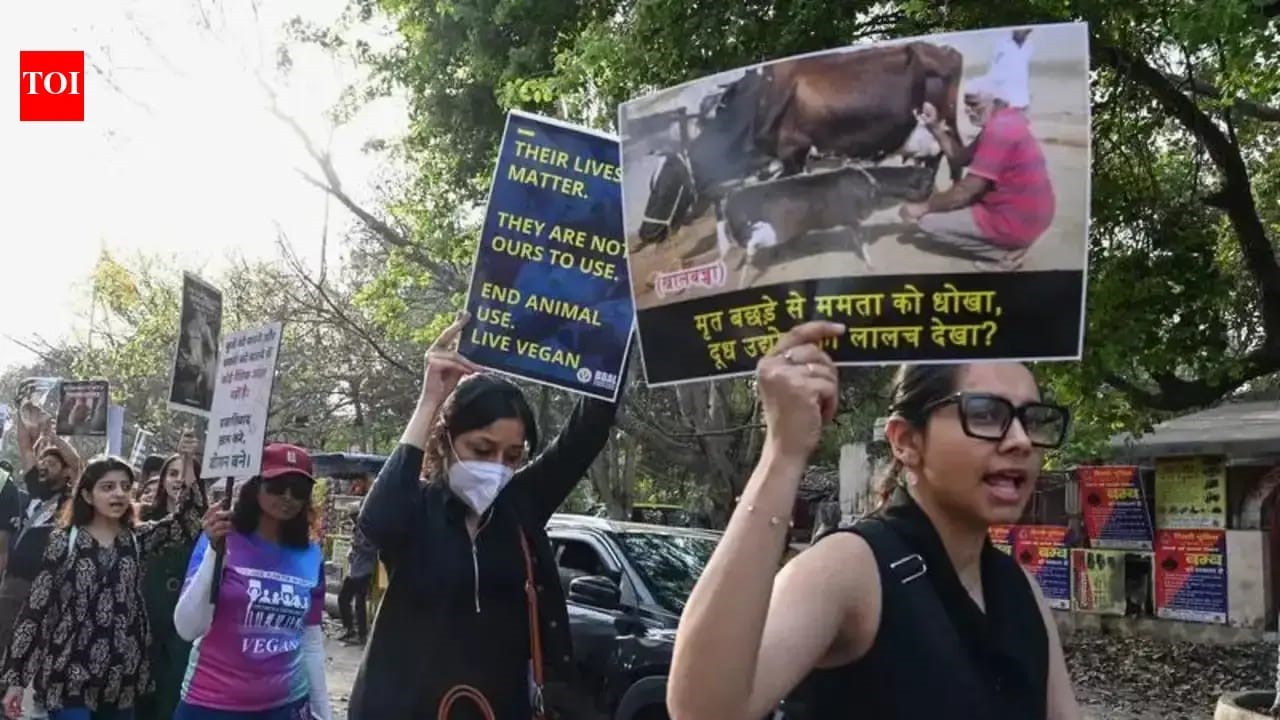
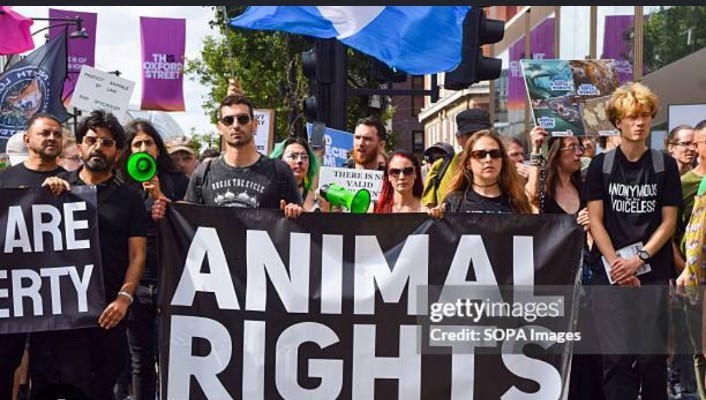
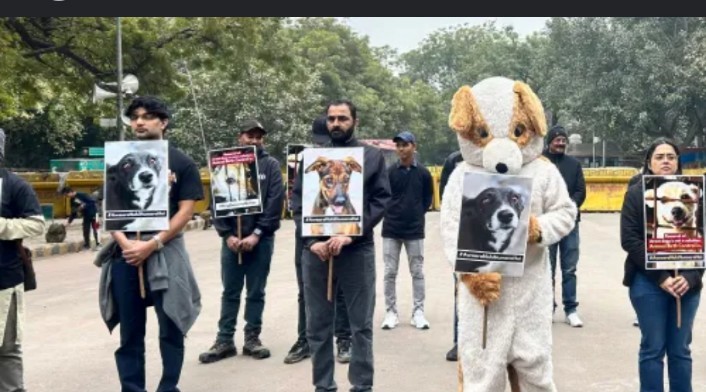
Many animal welfare groups, including PETA India, have asked the government to withdraw the draft. Their concerns are easy to understand:
- Less outside checking. Under the draft, only the most severe experiments on larger animals would need approval from the central committee. Many others could be cleared by the lab’s own committee. Critics call this “self approval”, like a student checking their own exam paper.
- Which animals could be used? Critics say the draft opens the door to using wild animals, street dogs and committee cats in some situations. The draft says researchers must justify such cases, but activists fear the rule is too loose.
- Buying from unregistered sellers. The draft allows labs to source animals from outside registered readers if readers are unavailable. Critics worry this could create problems for animal welfare.
- Care after experiments. Some older rules about after care for animals have reportedly being removed.
Public figures have joined in, like Actor John Abraham wrote a letter asking why India seems to be moving backwards when science is creating more humane options.
THE SCIENCE QUESTION.
This is where the debate gets interesting. Critics say the draft is not only bad for animals but also for science.
In 2023, India amended its rules for new drugs and clinical trials to recognize non-animal methods. These include tests using human cells and organ on a chip technology which are tiny devices that copy how a human organ behaves. Researchers like doctor Surat Parvatam have said the new draft seems to take steps backwards from this progress.
Their argument is simple: Animals are not humans, so a specific result in a mouse does not always predict what could happen to people. Better, human relevant methods give more accurate answers.
THE OTHER SIDE OF THE STORY.
It would be unfair to treat resources as the villains. Medical science has used animal studies to understand diseases and test the safety of treatments. Many scientists have said that, for some questions, there is still no complete substitute. Rules that are too rigid or slow can delay important research.
So the real question is not animals or science. It is how much testing on animals is truly necessary, and who decides?
WHERE THINGS STAND.
This is just draft. The public could send comments to the CCSEA until November 5,2026. The final version may change, so details here maybe updated later.
What would a balanced solution look like?
Many suggestions have come from both scientists and activists:
- Keep strong independent checks on experiments, not only internal ones.
- Protect wild animals and community animals clearly.
- Make non animal methods the first choice wherever they work.
- Include scientist lawyers and animal welfare experts when writing the final rules.
- Keep good records so experiments are not repeated unnecessarily.
FINAL THOUGHT.
Every society has to answer an old question: How do we save human lives without being careless about other living beings? India’s new rules are a chance to answer that, it will. A good rule would let the research move forward while treating animals with care because progress that ignores suffering is not really progress.
Written by : Shriya Soni
Edited by : Avilasha Bakshi
References –
Central Drugs Standard Control Organization. (2023, March 9). Amendment in First Schedule regarding use of induced pluripotent stem cells additional testing methods (G.S.R. 175€). Ministry of Health and Family Welfare, Government of India.
https://cdsco.mohfw.gov.in/opencms/opencms/en/Acts-and-rules/New-Drugs
Committee for Control and Supervision of Experiments on Animals. (2026). Draft Prevention of Cruelty to Animals (Control and Supervision of Experiment, Breeding and Trading of Laboratory Animals) Rules, 2026. Department of Animal Husbandry and Dairying, Government of India.
https://ccsea.gov.in/CCSEAWhatsNews.aspx
Frangogiannis, N. G. (2026). Animal models in biomedical research: Realities, misconceptions, and controversies. JACC: Basic to Translational Science, 11(1), 101456.
https://doi.org/10.1016/j.jacbts.2025.101456
Karnal, S. (2026, November 2). Stars, cross-party politicians, scientists, veterinarians, NGOs & over 18,000 others raise alarm over draft Indian animal experimentation rules 2026. PETA India.
PRS Legislative Research. (2026, October). Monthly policy review: October 2026.
https://prsindia.org/policy/monthly-policy-review/october-2026
The Prevention of Cruelty to Animals Act, 1960, No. 59 of 1960, India.
https://ccsea.gov.in/Content/54_1_ACTS%2CRULESANDGUIDELINES.aspx
Dandekar, P., & Parvatam, S. (2026, November 16). Draft rules on animal testing threaten India’s advanced therapy ambitions. The Scientist.
<p>The post India’s New Animal Testing Rules: Scientific Progress or a Threat to Animal Welfare? first appeared on The Economic Transcript.</p>