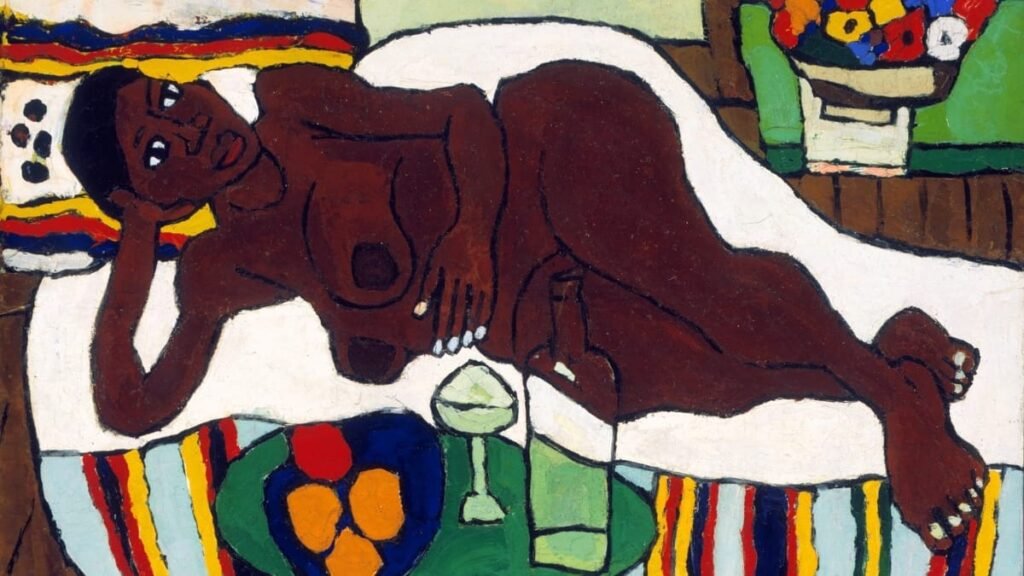
Nothing in visual culture is neutral, least of all the color wheel itself. Scholar Richard Powell explores this deceptively simple truth in his new book, tackling the theoretical entanglement of race and pigment and how Black painters have used color over time. Trailblazing art historian Lowery Stokes Sims, formerly a curator at the Met Museum and director of the Studio Museum in Harlem, parses his richly layered essays today, linking the critical theory of Josef Albers and Darby English to the practices of artists like Jacob Lawrence and Alma Thomas. The book, Sims writes, shifted the way she’ll look at art moving forward.
Meanwhile, on the other end of the spectrum: News broke that a 1920 painting by Hilma af Klint sold for $12.7 million. Yes, the same Hilma af Klint who described herself less as an artist and more as a channel for a higher power, who followed the guidance of spirits that took physical form through her paintings. But hey, at least the painting’s owner has a new addition to their investment portfolio?
In reviews, Alina Cohen spends time with the poignant, impactful photographs by Laia Abril, who evokes the systems of patriarchy and sexual violence through the quietly haunting garments and objects in their wake. As the Cornell 7 case continues and convicted abusers sit in office, Abril’s photographs “reject both the invisibility of some crimes and the all-too-visible nature of others.” More, as always, below.
—Lakshmi Rivera Amin, associate editor, books
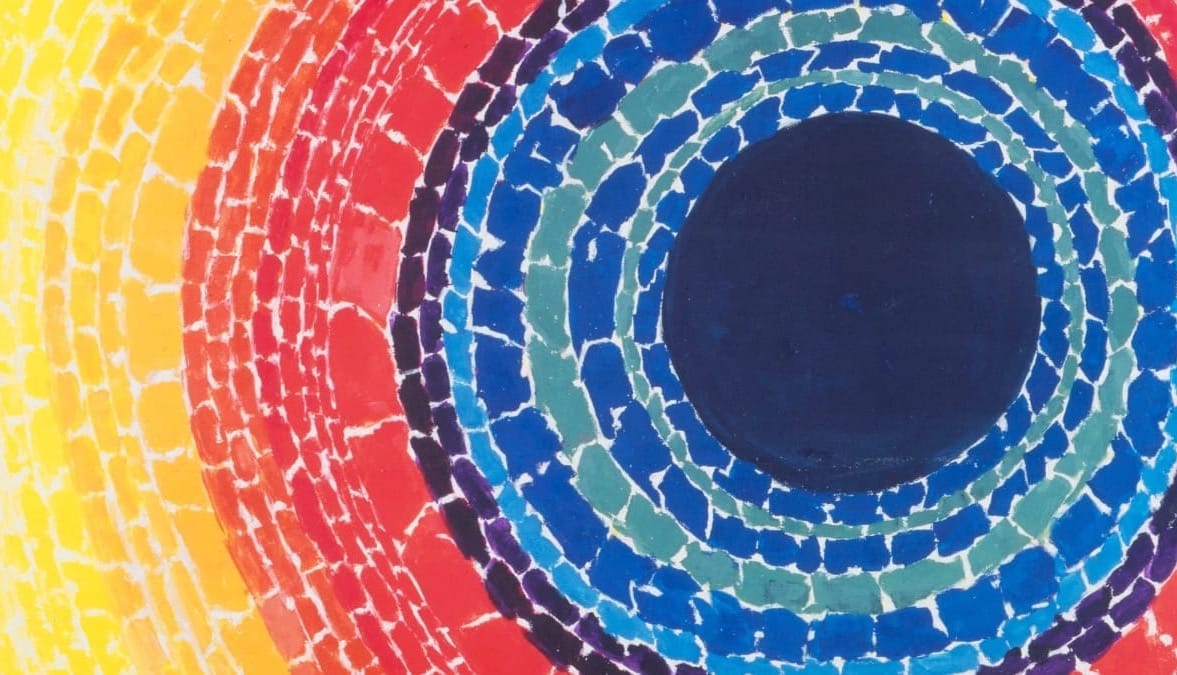
Richard Powell Unsettles Race and Color Theory
I was aware of the place of color theory in the practice of art and knew the names of important theorists, from Johann Wolfgang von Goethe to Johannes Itten to Josef Albers. But otherwise, I presumed artists’ palettes were the result of personal predilection, technical explorations (i.e., the opening up of brushstrokes and form in the 19th century and the introduction of a wall of color in the 20th century), or cultural orientation. So it was therefore with great interest that I approached reading Richard Powell’s latest publication, Colorstruck!: Painting, Pigment, Affect (2026). | Lowery Stokes Sims
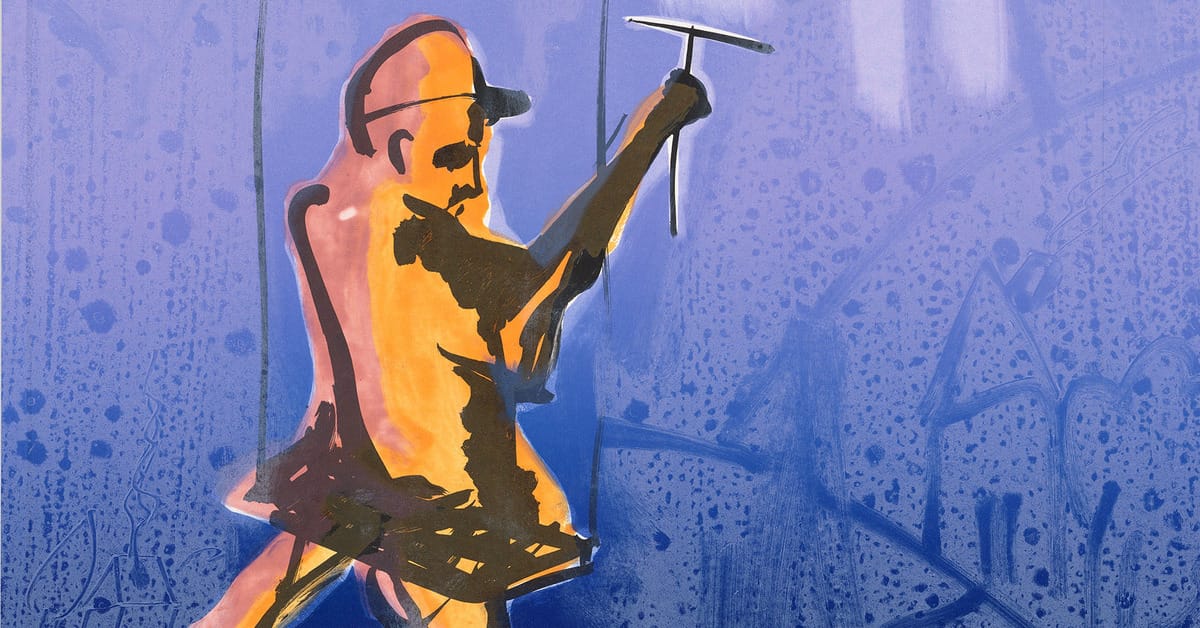
Just Released: Monoprints by Tala Madani
A new series of unique works on paper is now available from Utopia Editions at David Zwirner. Madani’s first monoprints explore themes of censorship, order, and suspension through the figure of the window washer, which also features in recent paintings by the artist.
News
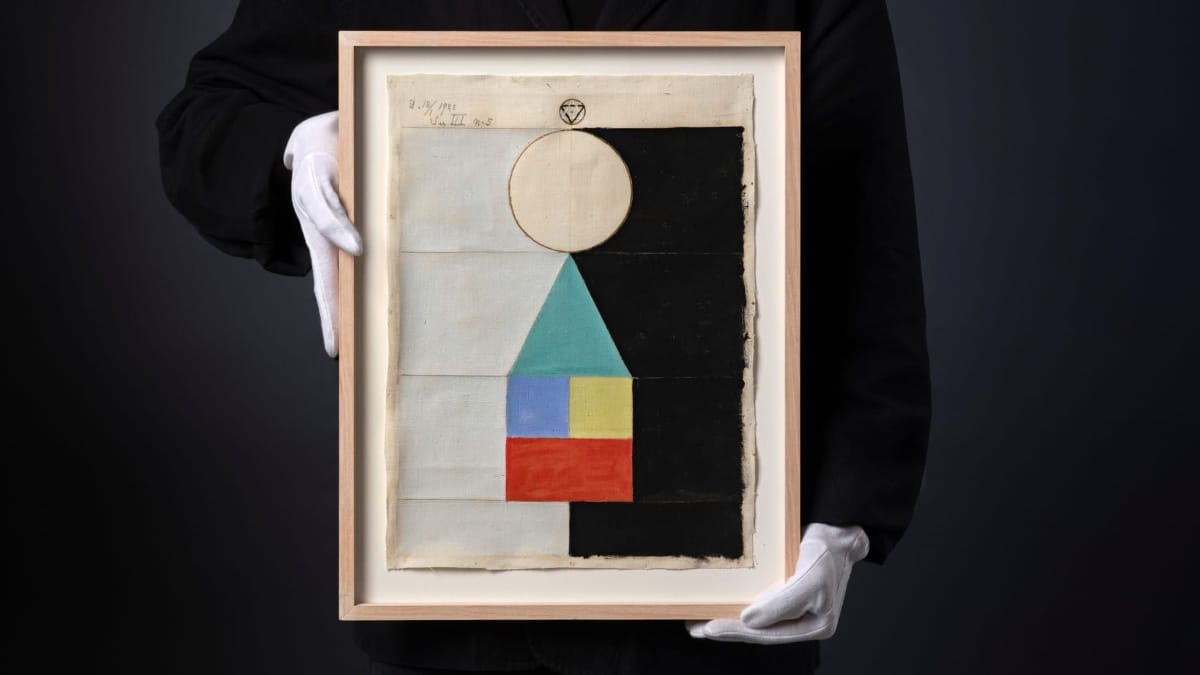
- Hilma af Klint’s painting “Ser III No. 5” (1920) sells for a record $12.7 million at Bukowskis’s modern art and design auction in Stockholm.
- The Walker Youngbird Foundation names Native artist Dustin Newman the annual recipient of its Núhi grant.
- A Las Vegas man pleads guilty to a felony violation of the Indian Arts and Crafts Act of 1990 after being charged with selling counterfeit Native American art misrepresented as authentic to consumers.
- The Drawing Center’s Laura Hoptman wins the 2027 Audrey Irmas Award for Curatorial Excellence, the Joyce Awards winners are announced, Agnes Gund’s art nonprofit receives $30 million, Derrick Adams and LEGO make a splash in Miami, and more in Art Movements.
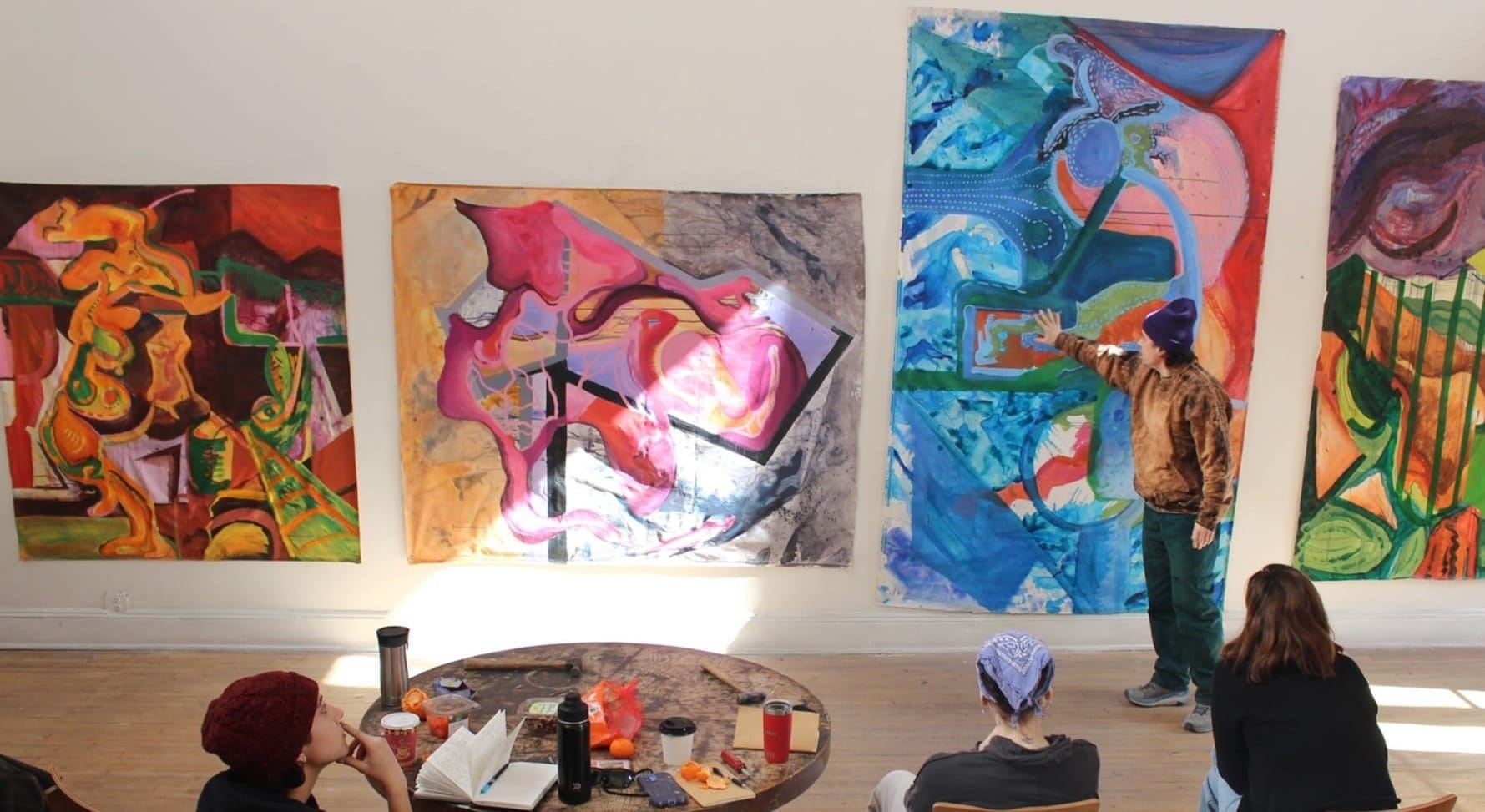
Iconic and Independent: New York Studio School’s MFA Program
NYSS is now accepting applications from independent thinkers and experimenters in the arts.
From Our Critics
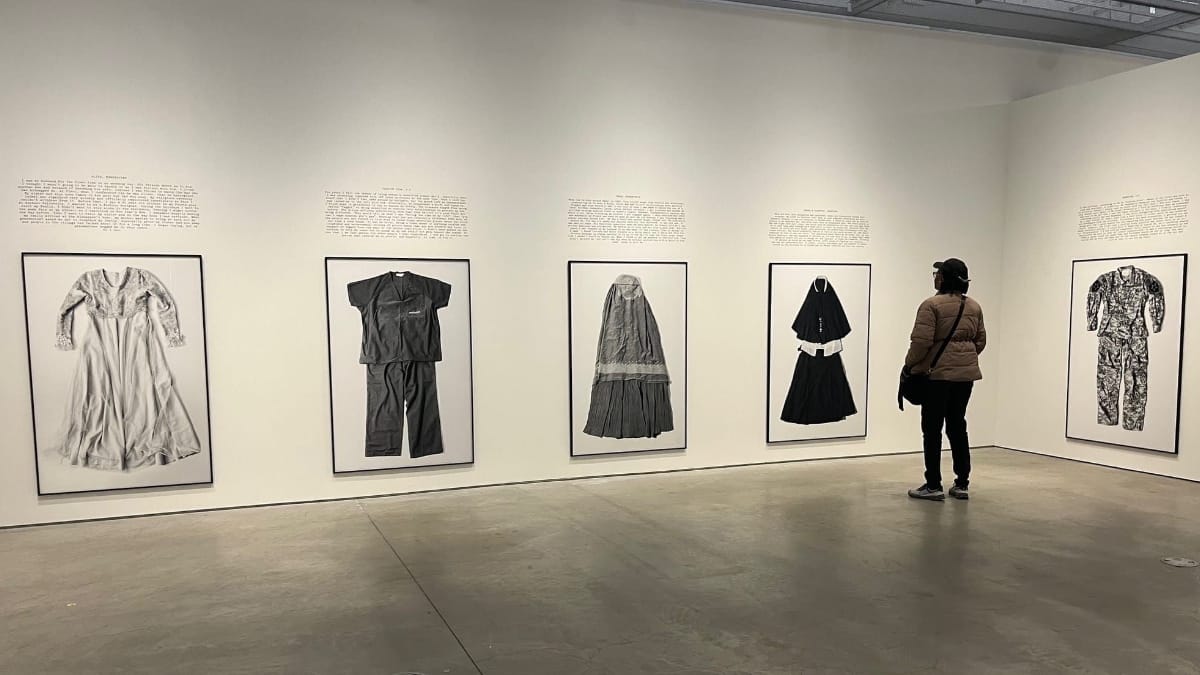
Laia Abril Photographs the Instruments of Rape Culture
In her latest show, garments and other objects serve as stand-ins for the systems that allow sexual assault to persist. | Alina Cohen
The Ebullient Ecofeminism of Carolina Caycedo
Her candy-colored drawings lure the eye only to disquiet the mind, exposing the contradictions of so-called clean energy. | Eileen G’Sell
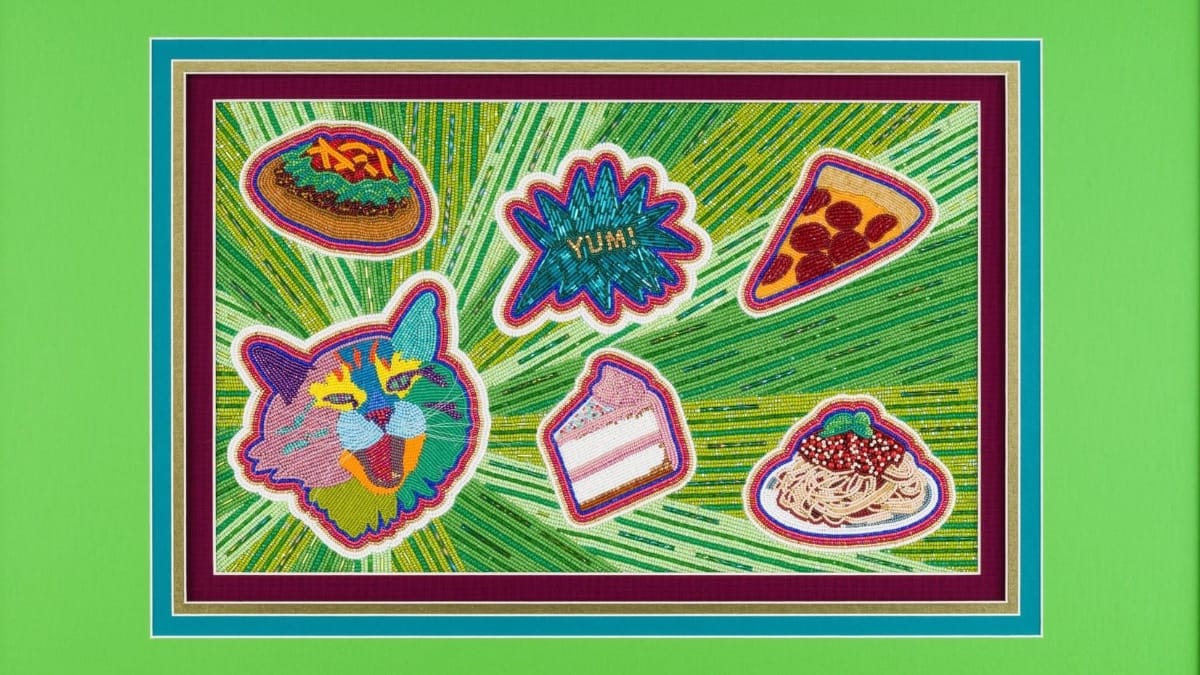
Contemporary Beadworker Ken Williams Jr Awarded Rakow Commission by Corning Museum of Glass
Marking the prize’s 40th year, “I Am the Hungry Cat” is the first Rakow Commission awarded for beadwork.
Hyper Links
- Jan van Eyck’s famed “Arnolfini Portrait” (1434) might actually depict the artist and his wife, according to a curator. [Smithsonian Magazine]
- It’s no coincidence that many of the writers being accused of using AI chatbots are Black. That pattern is part of the publishing sphere’s long history of discrediting and attacking Black authors, explains Mitchell S. Jackson. [Esquire]
- Rob Pattinson’s stealing the museum jobs too now? [Instagram]
From the Archive
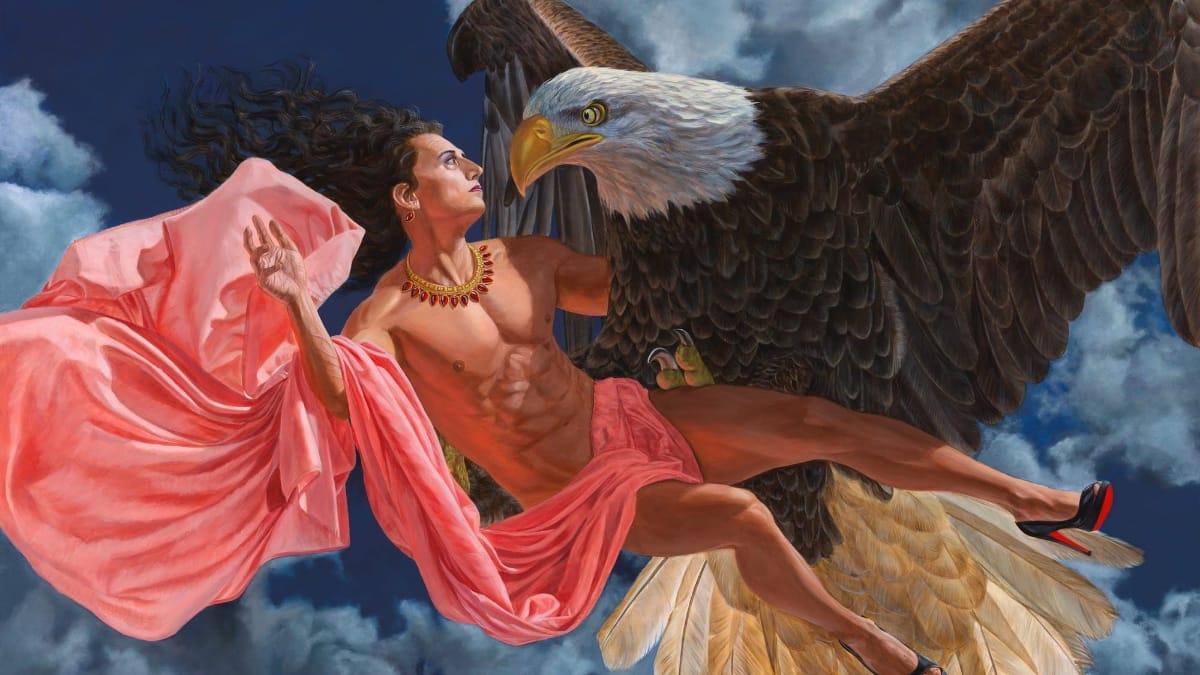
A True and Exact History of Queer Indigenous Sovereignty
Miss Chief, artist Kent Monkman’s alter ego, narrates the story of Turtle Island not as a settler allegory but from the perspective of the land itself. | Joseph M. Pierce