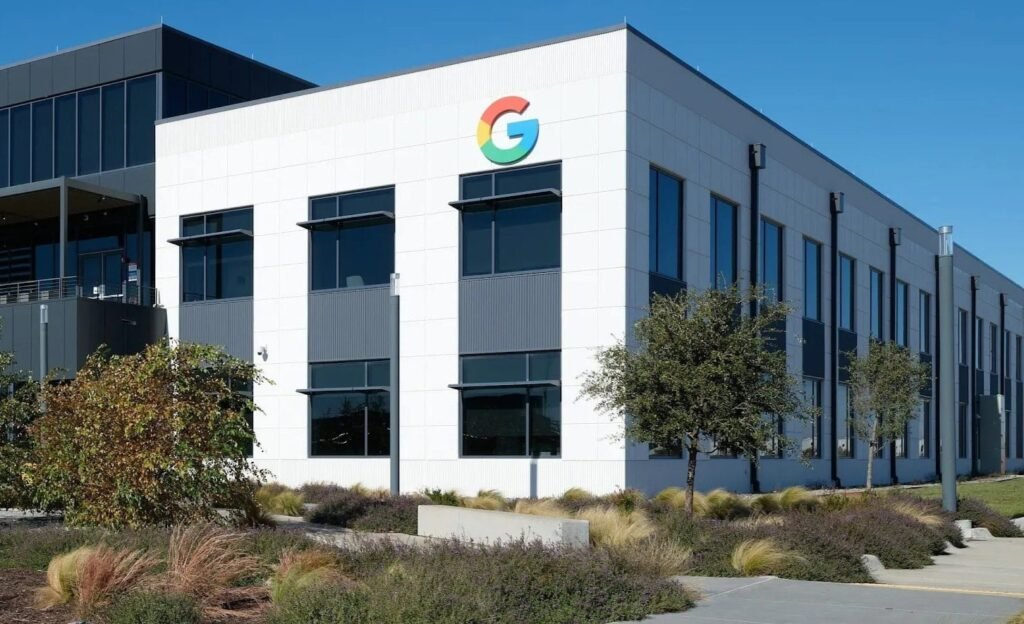

Google just signed a major contract to power its Oregon data centers using underground rock melted by high-frequency beams. Through a new agreement with startup Quaise Energy, Google will buy 50 megawatts of carbon-free electricity from Project Obsidian near Oregon’s Newberry Volcano starting around 2030. Instead of relying on natural underground hot water, Quaise plans to vaporize deep granite to tap into superhot geothermal heat.
According to The Wall Street Journal, the contract is worth over $500 million across its lifetime, while building the Oregon plant will cost roughly $350 million. Quaise CEO Carlos Araque noted in a statement that the deal proves superhot rock can supply steady, clean electricity for Google’s existing facilities in The Dalles. While 50 megawatts is relatively small compared to massive server campuses, Oregon Public Broadcasting highlighted the agreement as the world’s first commercial-scale superhot rock power deal.
Vaporizing deep rock for cleaner power
Standard geothermal plants depend on rare underground hot-water pockets that rarely pass 600 degrees Fahrenheit. Quaise takes a different route by drilling roughly 2.5 miles down with conventional rigs before switching to millimeter-wave beams that melt rock hotter than 572 degrees Fahrenheit. Pumping water into those superheated zones produces supercritical steam capable of generating up to 10 times more electricity per well than older geothermal systems.
Field work is already underway at the central Oregon site. SEC filings from drilling contractor Nabors Industries confirm that the company invested $35 million in Quaise and currently operates a PACE-B rig on location. Quaise also tested its rock-melting beams in central Texas by cutting through more than 330 feet of granite, and the startup is now working to pass 3,200 feet.
Tech giants race for steady electricity
Growing artificial intelligence workloads are pushing tech giants to secure steady, round-the-clock electricity. Goldman Sachs Research projects global data center power demand to jump 170% between 2025 and 2030. Over 60% of that growth is taking place in the United States. Alongside its Quaise contract, Google already buys geothermal electricity from Fervo Energy in Utah, while Meta has signed deals with Sage Geosystems and XGS Energy.
Other startups are developing projects in the same volcanic zone, including Mazama Energy, which raised $135 million and introduced cooling gear to drill 20% faster in 645-degree rock. The Clean Air Task Force estimates that tapping just 1% of US superhot rock capacity could produce 4.3 terawatts of steady power, nearly four times current national electricity generation. If Quaise delivers on schedule in 2030, beams that vaporize underground stone could give AI data centers a reliable clean energy source.
The post Google Plans to Power Its Oregon AI Data Centers Using High-Tech Beams That Vaporize Solid Granite appeared first on Android Headlines.