UPSIDE Foods has secured the regulatory green light to launch a new generation of cultivated chicken products at foodservice outlets across California following a significant scale-up of its manufacturing operations. The company says the move could provide a shot in the arm for the beleaguered sector.
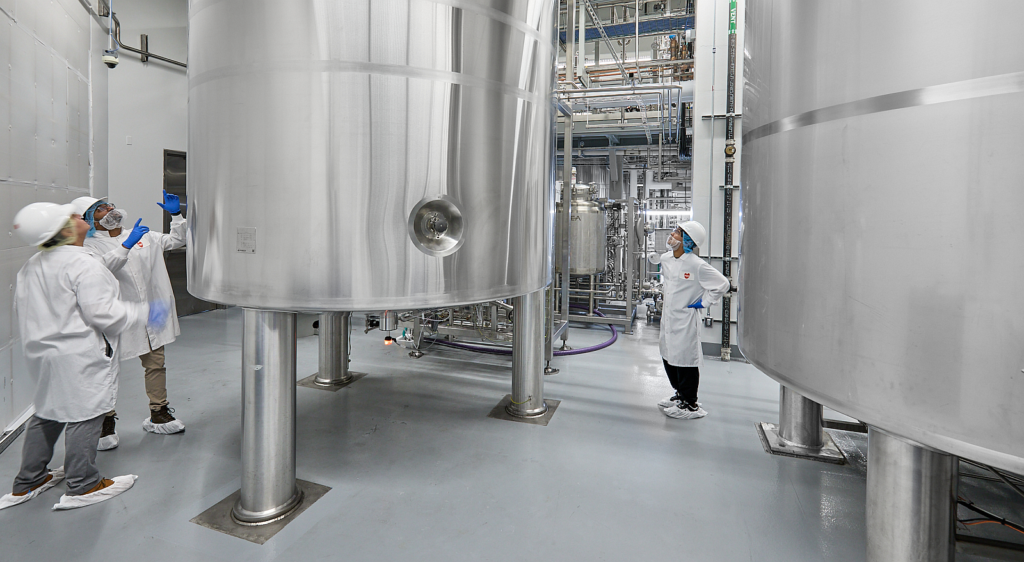
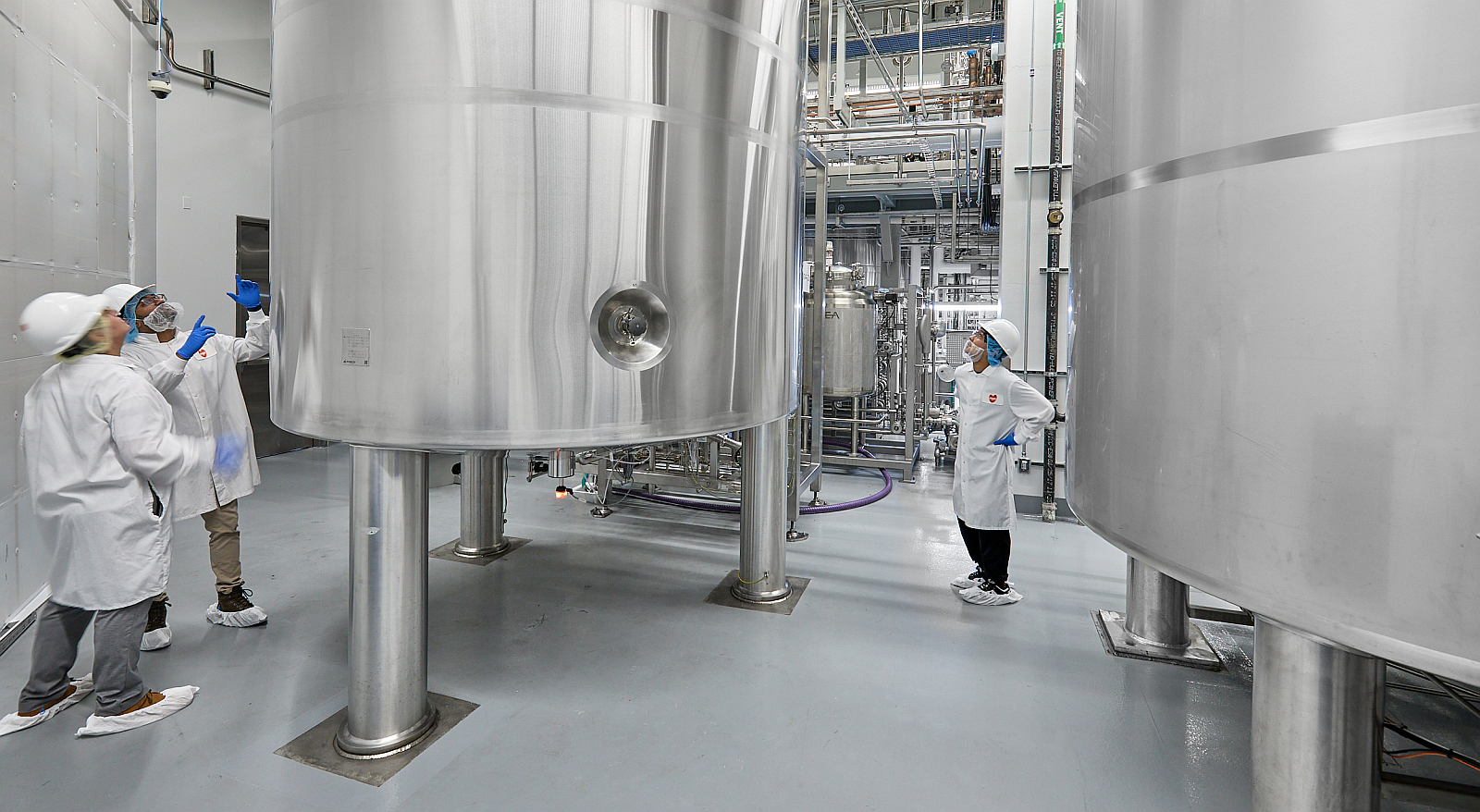
The firm, which has raised more than $600 million to date, now has the capacity to produce more than one million pounds of cultivated chicken annually at its EPIC facility in Emeryville, California from multiple 20,000+ liter bioreactors, the largest in the nascent industry. *
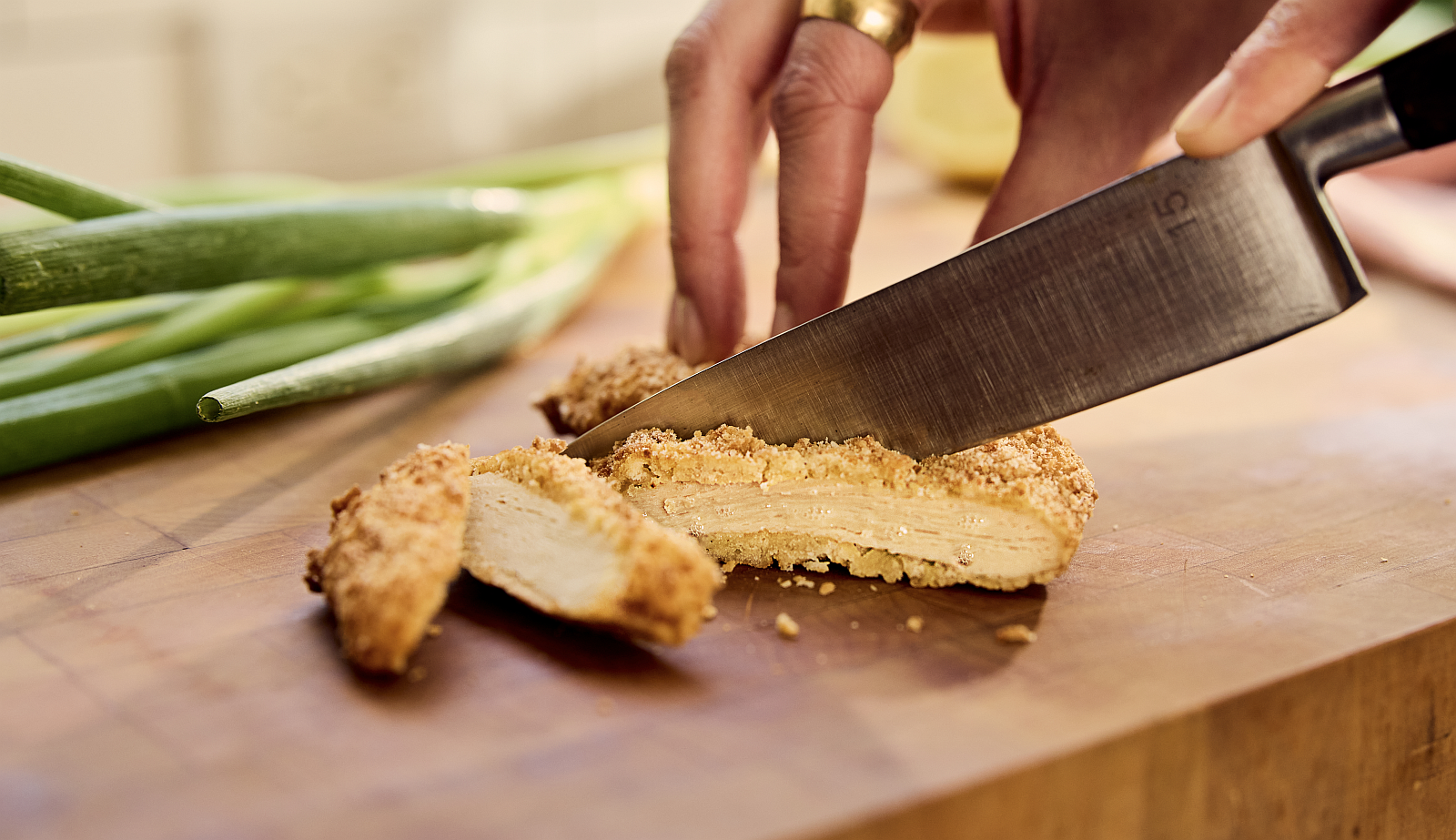
The new product, which combines cultivated chicken cells with soy protein isolate, pea fiber, olive oil, and other undisclosed ingredients, comes in shredded, diced and ‘chef’s cut’ formats at price points competitive with premium chicken products.
The launch sets the stage for UPSIDE’s next phase of expansion, as it prepares to launch a new funding round to finance a larger production facility.
This might be the vacant Believer Meats facility in North Carolina, which UPSIDE Foods is still pursuing despite aborting a bid for the site earlier this year, founder and CEO Dr. Uma Valeti told AgFunderNews.
“We can expand at multiple locations, essentially taking the end-to-end system and tech transfer to be able to attach it to an existing facility or any brownfield out there that we could convert. That’s always been our default plan. The [opportunity to bid for the] Believer Meats site in North Carolina just seemed to come from nowhere. But if our conditions are met, we will make it work.”
20,000+ liter vessels
Founded in 2015 as Memphis Meats, UPSIDE Foods secured regulatory clearance from the FDA in 2022 and USDA in 2023 for a structured product requiring cell proliferation in an initial vessel followed by a differentiation and maturation phase in a separate vessel.
Its second product, which has just secured regulatory clearance, combines chicken cells grown in a single vessel—at significantly larger scale—with plant-based ingredients. Details of the cell lines and process will be published in a scientific memo on the FDA website shortly.
While UPSIDE had originally intended to scale up at a purpose-built facility in Glenview, Illinois, the deteriorating investment environment around cultivated meat prompted a rethink in early 2024, with the firm instead opting to expand its Emeryville facility.
The engineering challenges were substantial, as a parking structure above UPSIDE’s site prevented the installation of equipment through the roof, forcing the company to excavate beneath the building, said Valeti. But the firm—which started testing is second generation product in 2,000-L reactors—has now validated its tech at 20,000-L scale consistently over the past 18 months.
A hybrid approach
Valeti did not disclose the amount of cultivated chicken in the new products but confirmed it is the largest ingredient after water, ahead of soy protein, and represents a double-digit percentage of the finished product.
The formulation is designed to address cost and functionality, with plant-based ingredients contributing texture and nutritional features while reducing the amount of cultivated biomass required.
Valeti stressed, however, that the cultivated cells play an important role in delivering the sensory experience consumers expect from chicken. “There is a night and day difference in the taste and the texture attributes [vs 100% plant-based meat] when you have cultivated chicken in there.”
UPSIDE is also positioning the new formulation around its nutritional profile, pointing to the fiber supplied by plant ingredients, reduced cholesterol and higher iron levels vs conventional chicken.
The road to price parity
UPSIDE Chicken is launching at corporate and college dining programs including Stanford Dining and at restaurants across California. It has also secured halal certification from Circle H.
While the firm says the launch brings cultivated meat to “everyday” menus at affordable prices, Valeti acknowledged that customers have different thresholds for adoption depending on their priorities.
Some are motivated by animal welfare, sustainability, food safety or avoiding antibiotic use, while others are principally interested in price and product consistency.
For those currently purchasing premium chicken, the proposition is already attractive, he said. “There’s a lot of people that already are saying, if you can meet my current premium chicken pricing, we are in.”
UPSIDE cannot yet compete solely on price, but is confident that in future, with its next generation of chicken cell lines and bioreactors in the 50,000-100,000-L range, that will be possible, said Valeti.
“And when we come to market with other high-priced species, we expect to be very close to conventional parity even at launch.”
‘These are not off-the-shelf biopharma bioreactors’
On the operational front, meanwhile, progress has been steady and incremental on every front, from optimizing cell lines, lowering media costs, improving yields and minimizing processing losses, to developing custom equipment designed specifically around the economics of food rather than pharma, said Valeti.
“These are not off-the-shelf biopharma bioreactors. From day one we have been building our cultivators and designing them to make this affordable at scale. This is the seventh generation of cultivator that we’ve designed in-house. But it’s not just the cultivators. Our entire media development team is in-house. Our facilities team is in-house.”
He did not disclose current production costs, wholesale pricing, or the volumes committed under commercial agreements but said UPSIDE has developed an extensive pipeline of prospective customers and indicative demand.
Lucius Labs: already generating revenues
Alongside its cultivated chicken business, UPSIDE is also beginning to generate revenues from its cell culture media arm Lucius Labs, which is targeting human and animal health bioprocessing applications including tissue engineering, stem cell therapy, cell therapy, gene therapy, organoid production, viral vector production, vaccine production, and antibody production.
The venture is in its early stages but already has paying customers, said Valeti.
“The value of the core technology we’ve built [around cell culture media] applies to anyone who is growing cells and we have agreements with some very large people in adjacent spaces.”
A turning point for cultivated meat?
While funding for cultivated meat has almost dried up over the past couple of years and two of the highest-profile players in the space—Meatable and Believer Meats—have collapsed, UPSIDE’s latest move could help restore confidence in the sector, said Valeti.
“We are very humble about this. We know this is still the first chapter and that a lot more work needs to be done, but we want this to be that moment of ice-breaking hope.”
He added: “We’d like the excitement and enthusiasm to come back because every transformative industry is going to have to take some punches. We’ve taken our fair share and there are more ahead, but this is a bright spot.”
*Australia’s Vow Foods operates from 20,000-L reactors while the UK’s Meatly is commissioning a new production facility running 20,000-liter vessels.
Further reading:
Unnamed bidder submits letter of intent to acquire Believer Meats’ US cultivated meat siteENDS
🎥 Meatly bets on 20,000-liter scale to prove cultivated meat economics
Cultivated meat deep dive: After the crash, who’s still standing?
The post Cultivated meat’s comeback moment? UPSIDE Foods unveils dramatic scale-up, eyes fresh funding appeared first on AgFunderNews.