Stuck on Stop
Automatic start/stop systems became more widespread after the Obama administration introduced stricter greenhouse gas emissions standards in 2012. But fast forward to February 2026, the Trump administration removed federal emissions credits for fuel-saving technologies like the start/stop system, citing reasons such as Americans not wanting the tech in their cars due to inconvenience.
A recent investigation opened by NHTSA highlights another potential drawback. This probe targets over a million Honda and Acura vehicles after the federal agency received 701 complaints concerning start/stop systems. According to the complaints, the affected vehicles may remain stalled at traffic lights or intersections because their engines fail to turn back on after the automatic start/stop system shuts them off.
Honda
Honda in the Hot Seat
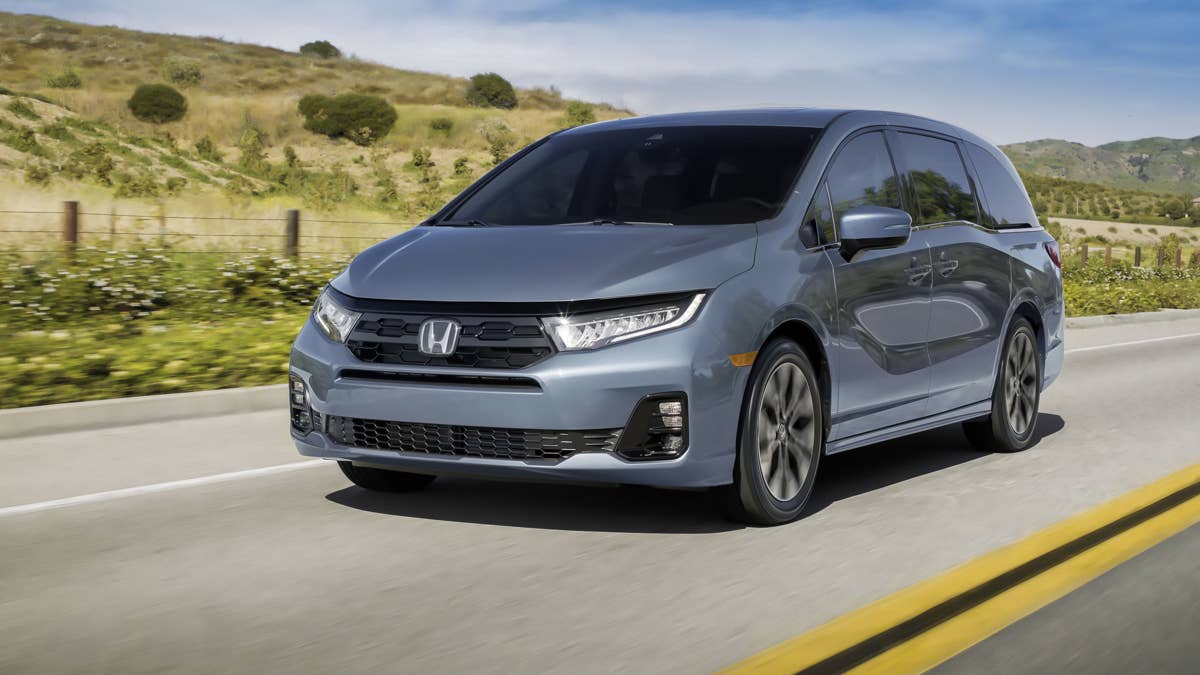
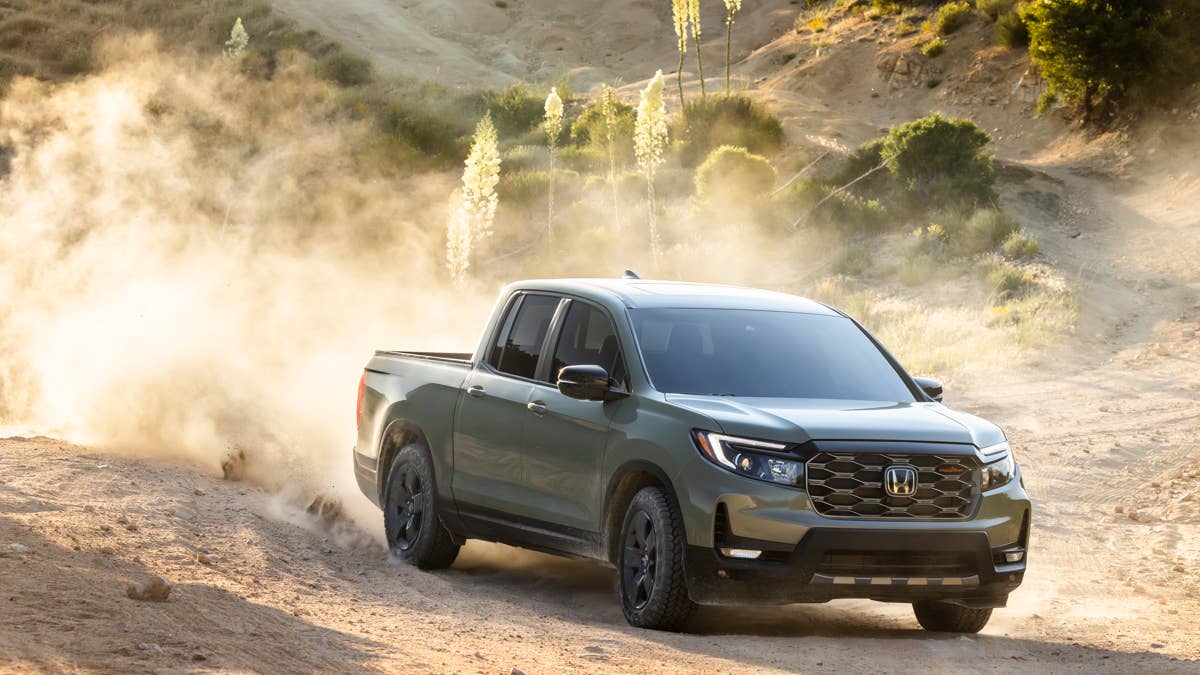
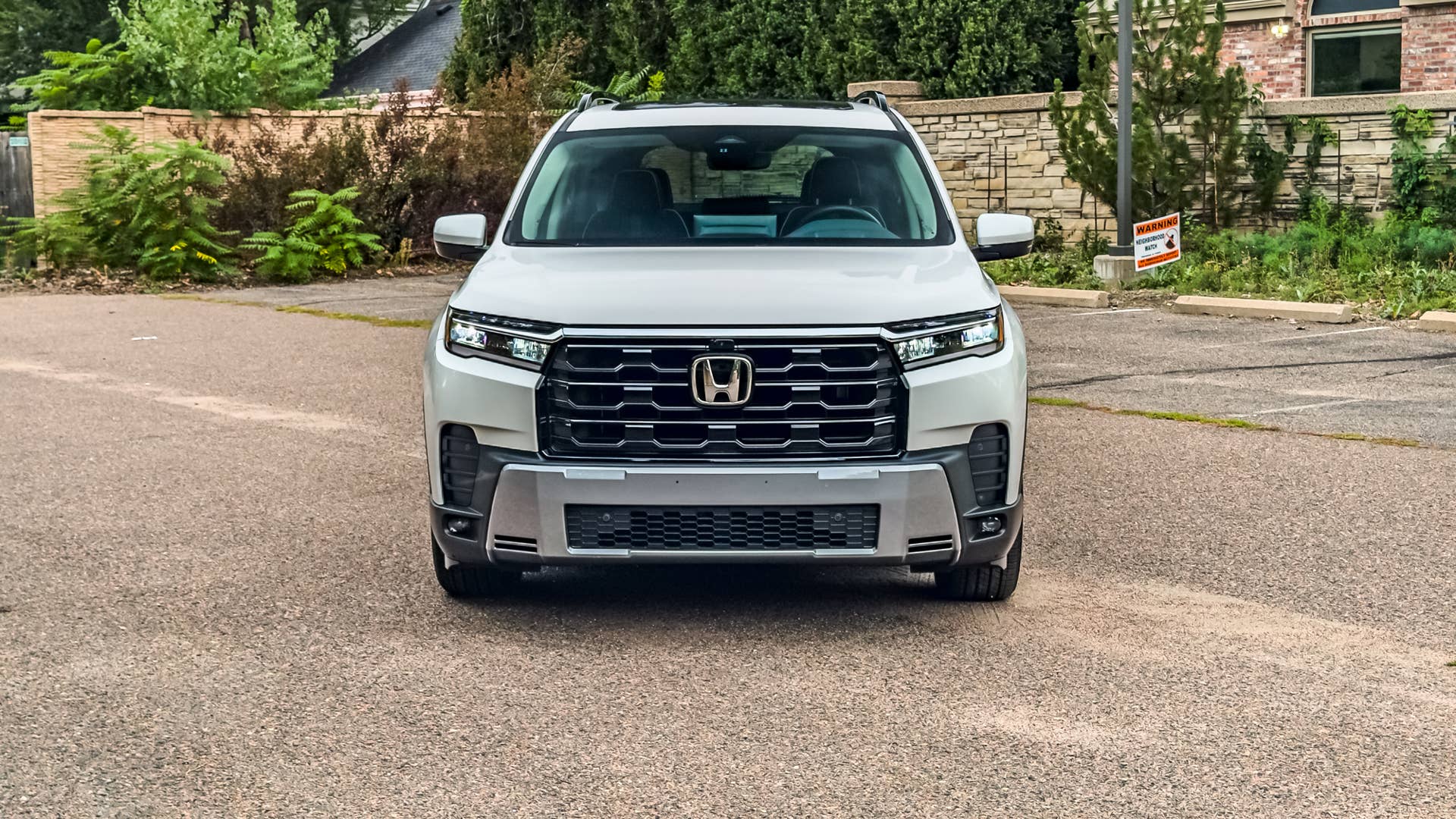
The affected models include the Honda Odyssey, Honda Passport, Honda Ridgeline, Honda Pilot, and Acura MDX, all from the 2024–2026 model years. NHTSA has opened an Engineering Analysis (EA26007) to determine the scope and severity of the potential issue and assess any associated safety risks.
Interestingly, Honda and Acura had already issued separate service bulletins (26-090 and 26-019) addressing start/stop system-related problems on October 30, 2026. The service bulletins aim to fix vehicles that may not restart automatically, with some also experiencing difficulty starting under hot ambient temperature conditions. The Japanese automaker said there is a shortage of replacement parts, so vehicles already experiencing the problems will get priority for repairs.
Still, it’s unclear whether the service bulletins are directly related to the latest NHTSA investigation, despite addressing similar problems. So far, NHTSA has received no reports of crashes, fires, injuries, or fatalities associated with the complaints in the latest probe.
Honda
The Plot Thickens
NHTSA is also investigating similar start/stop system failures under a separate investigation, EA25004, which covers the same models but excludes the 2026 model year. Although both investigations involve similar symptoms, the agency noted that the underlying causes appear to differ, with affected vehicles also responding differently to repairs.
These developments may work against the case for start/stop systems, which promise improved fuel efficiency by turning off the engine at a stop while the battery continues powering electrical systems. The tech also temporarily shuts off the engine-driven AC compressor, although the engine may restart when the cabin becomes too warm. It would be interesting to see how the removal of federal incentives for the technology affects future production models. For now, at least over at Honda, the tech is drawing more scrutiny from federal regulators.
Chase Bierenkoven