Toyota’s Reverse Imports Get an Unwelcome Start
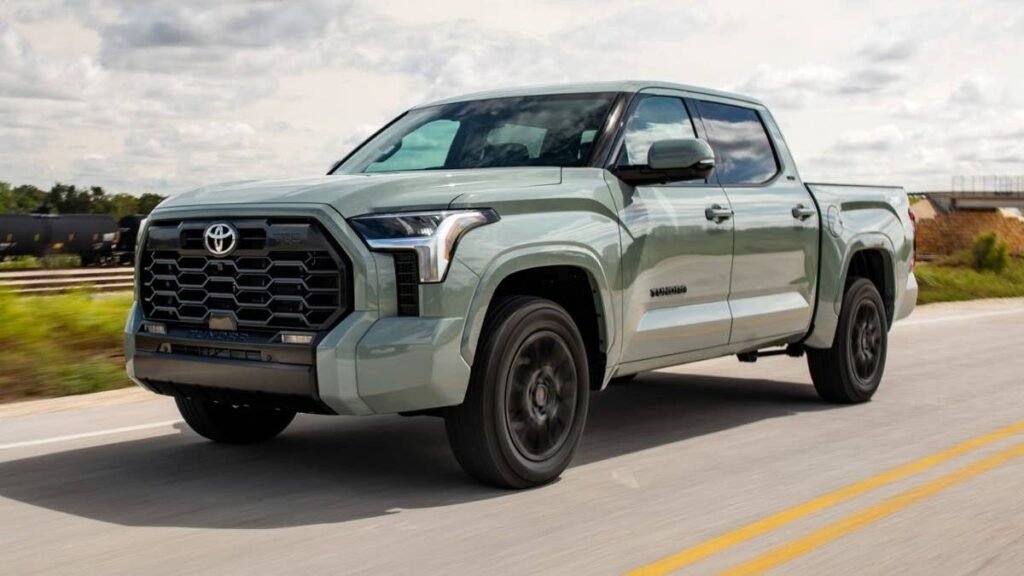
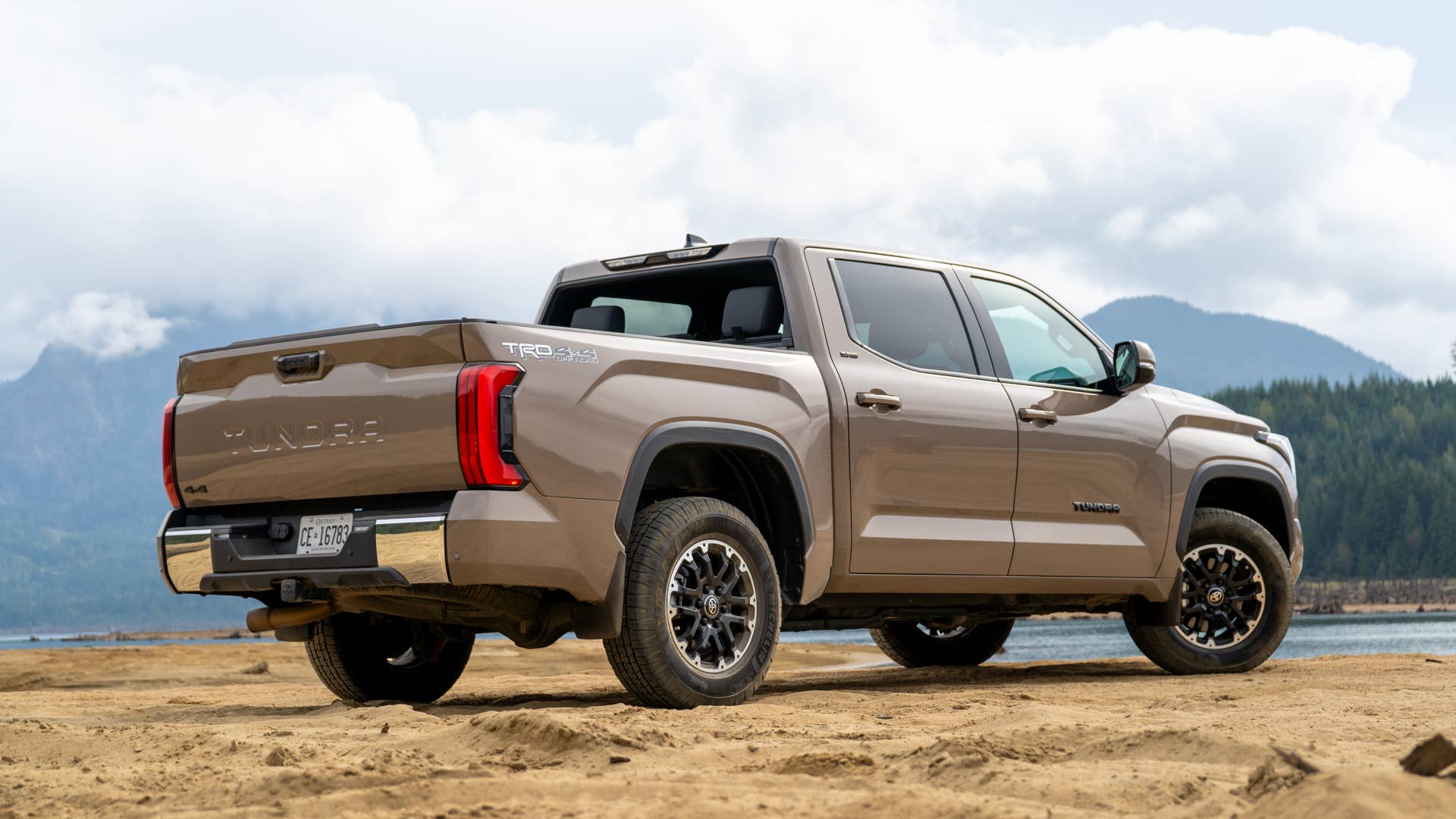
Earlier this year, Toyota started reverse-importing its vehicles. Yes, the Japanese automaker, which has a massive manufacturing presence in the US, is now bringing some of its American-built models back to Japan. And yes, that includes the huge Toyota Tundra. Whether Japanese buyers will actually want a full-size American-style truck is another story, but Toyota has already started delivering examples to customers.
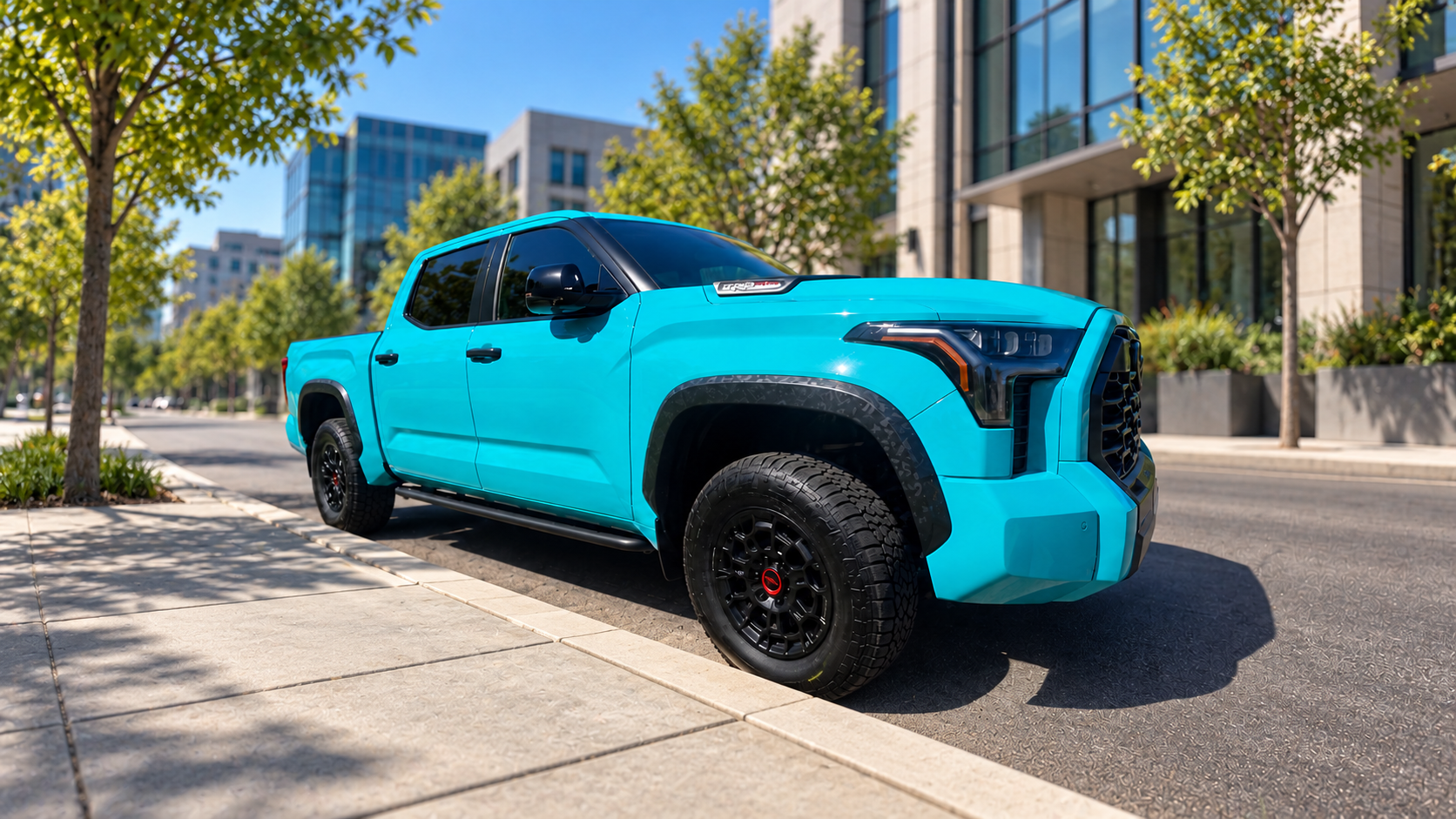
There is a catch, though. Toyota has now announced a recall involving four Tundra pickups imported into Japan. And while that is a very small number, the problem concerns an engine component that could potentially cause the truck to stall while on the road.
Four Tundras Recalled for Engine Issue
Toyota’s November 12 recall filing with Japan’s Ministry of Land, Infrastructure, Transport and Tourism states that four Tundra pickups made between January 22 and January 27, 2026, are affected.
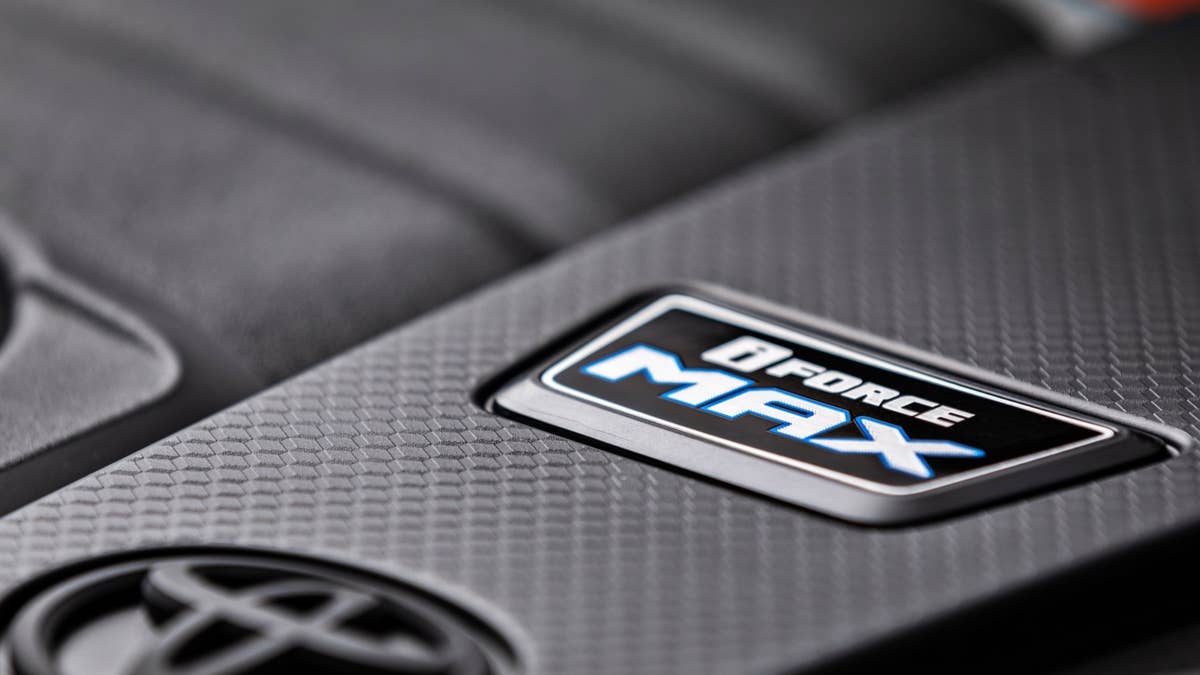
The problem concerns the exhaust camshaft on the right bank of the V-type engine. Toyota says inadequate manufacturing process control may have resulted in insufficient strength in the component. Some camshafts may also have developed cracks during machining.
Those cracks can slowly spread as the truck racks up miles, and if the camshaft finally gives up, the engine could stall while driving. Not exactly the kind of surprise you want behind the wheel.
Toyota’s fix is pretty straightforward: check the camshaft numbers on all four trucks, and if they spot a dud, swap it out for a proper one free of charge. Owners will get the call from their local dealer to set up an inspection and repair.
Toyota
Toyota Has a Quality Warning for Japanese Buyers
The engine recall isn’t the only thing Japanese buyers should know. Toyota has also included a quality disclaimer in the Tundra’s customer information booklet, warning that its American-built pickup may have cosmetic differences compared with vehicles made specifically for Japan.
These include thin paint, color variations, polishing marks, small surface depressions, and paint swelling. Toyota says these conditions do not affect the truck’s functionality or performance.
Still, it’s an interesting disclaimer from a brand known for its manufacturing consistency in Japan. The reverse-import strategy may make sense from a trade perspective, but Toyota also has to manage different customer expectations. Apparently, bringing American-built vehicles home comes with a few adjustments.
Cole Attisha